Don’t Treat AI as Your Pastor
AI always has a kind, commonsense answer for us. Why can’t we ask it about our spiritual lives?
AI always has a kind, commonsense answer for us. Why can’t we ask it about our spiritual lives?

For the church to flourish in an age trained to mute creation, we must first restore attentiveness to general revelation.

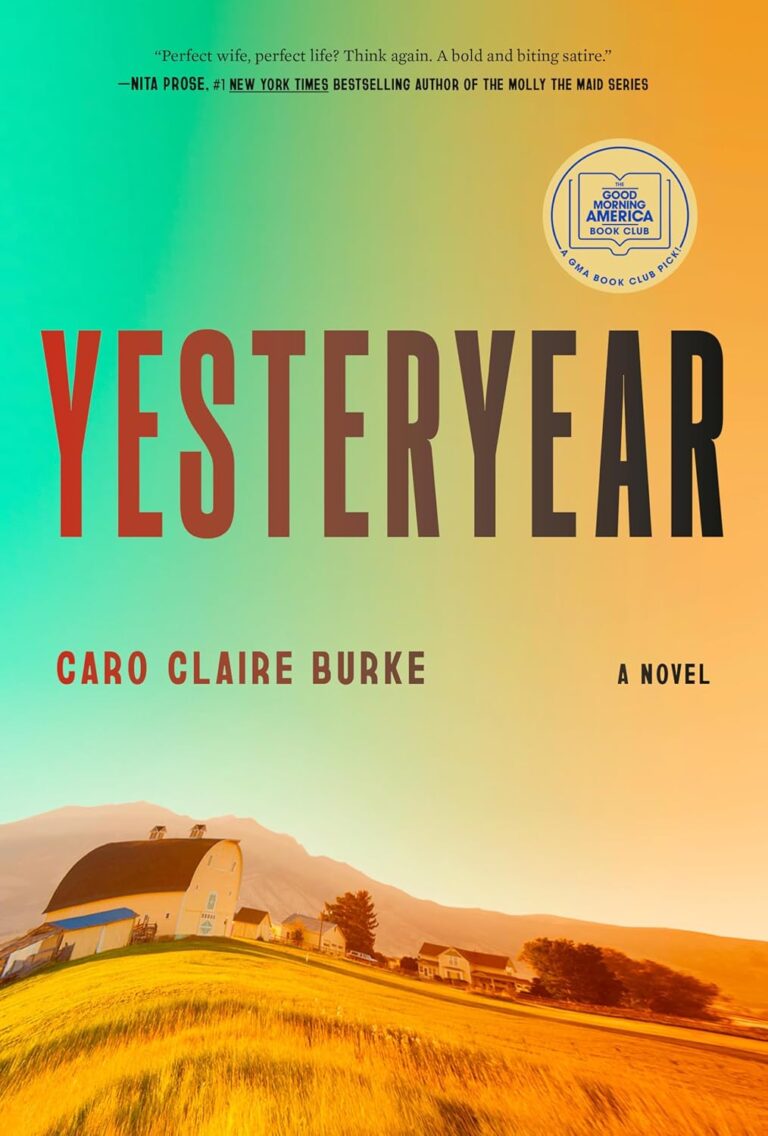
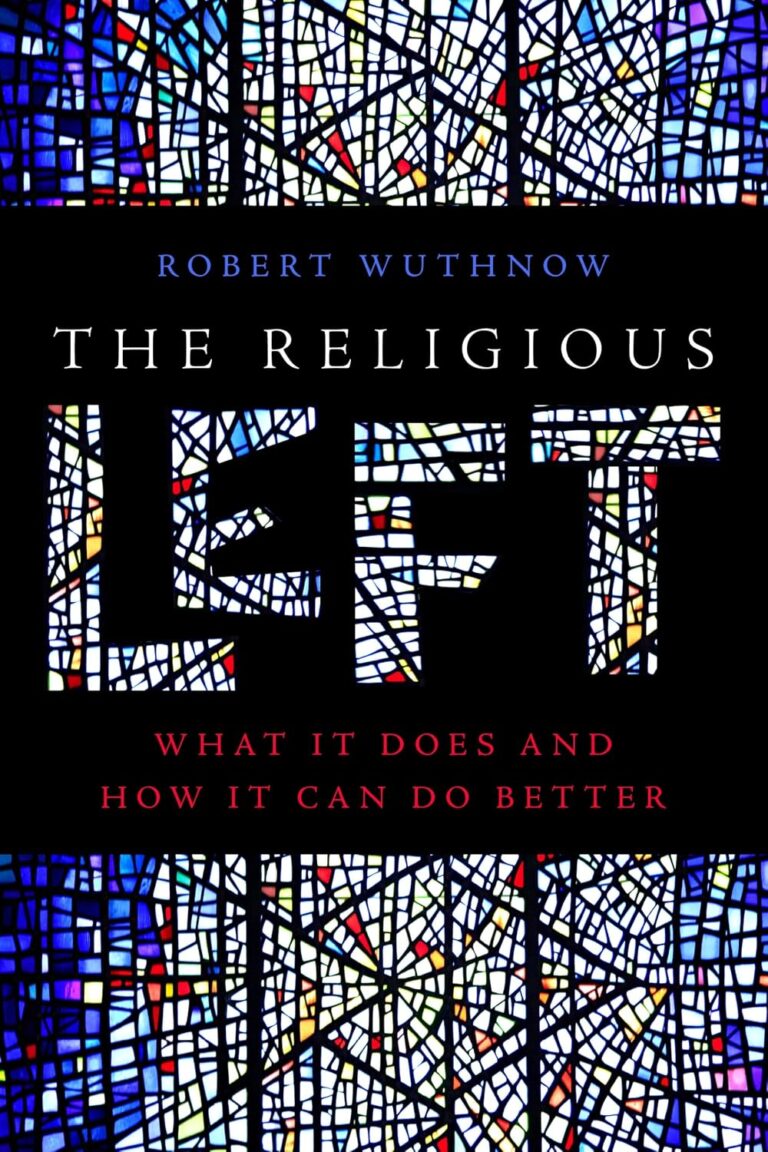
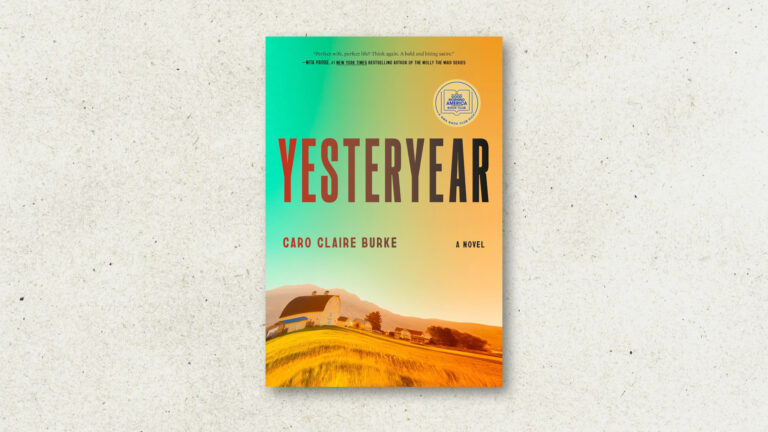
The attempt at satire is evident throughout ‘Yesteryear,’ but good satire requires enough of a grasp to know what you’re making fun of. Burke doesn’t.
The world says to age is to diminish. But as Jen Wilkin shows in her new book, the Bible says to age is to deepen.

When we labor over what we read, we end up sharpening our spiritual intellects more than if we were told the truth directly.
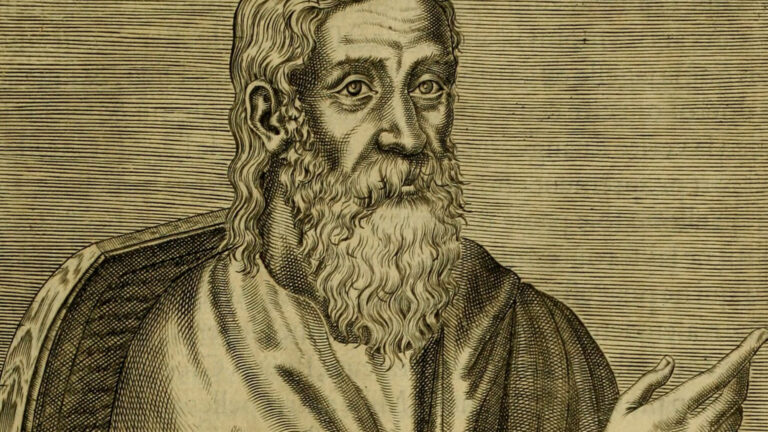

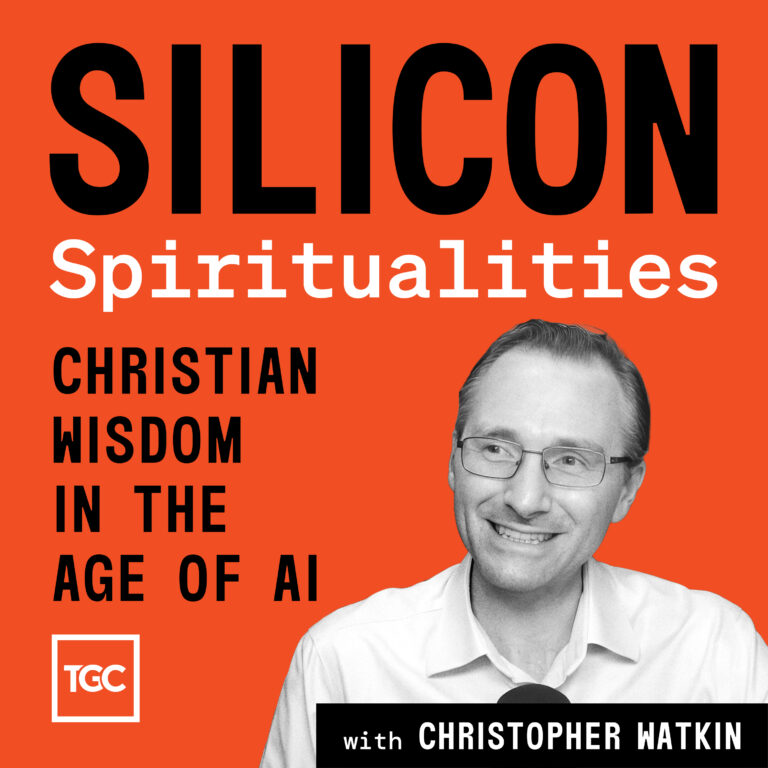
Chris Watkin talks with Collin Hansen about hope, hype, and help for our AI apocalypse.
Chris Watkin joins Collin Hansen to discuss the AI apocalypse.
Listen Now
Like the fictitious Forrest Gump, Barnabas stands in the background of many major biblical events. He’s playing an essential role.

The difference between London and Nashville is not the difference between a hard place and an easy one. Both cities are post-Christian; they are simply post-Christian in opposite directions.







Courtney and Melissa talk with Jen Wilkin about how they each related to their siblings while growing up, how those relationships have changed over the years, and how to foster a healthy relationship with adult siblings.
Courtney and Melissa talk with Jen Wilkin about their relationships with their siblings, how they dealt with sibling conflict among their children, and how to encourage kindness and love among siblings throughout their lives.
Listen NowThe Christian story offers a compelling alternative that completes and transforms the stories offered by the world.
The world says to age is to diminish. But as Jen Wilkin shows in her new book, the Bible says to age is to deepen.
Stephen Driscoll considers how AI threatens human uniqueness in intelligence, creativity, and productivity.
Sometimes life just hurts. Out of nowhere, death, illness, unemployment, or a difficult relationship can change our lives and challenge everything we thought we knew.
Courtney Doctor talks with Rory Shiner and Kyle Worley about the difference the doctrine of union with Christ makes in how we understand our relationship to God and how we live our lives day to day.


The Christian story offers a compelling alternative that completes and transforms the stories offered by the world.
AI always has a kind, commonsense answer for us. Why can’t we ask it about our spiritual lives?
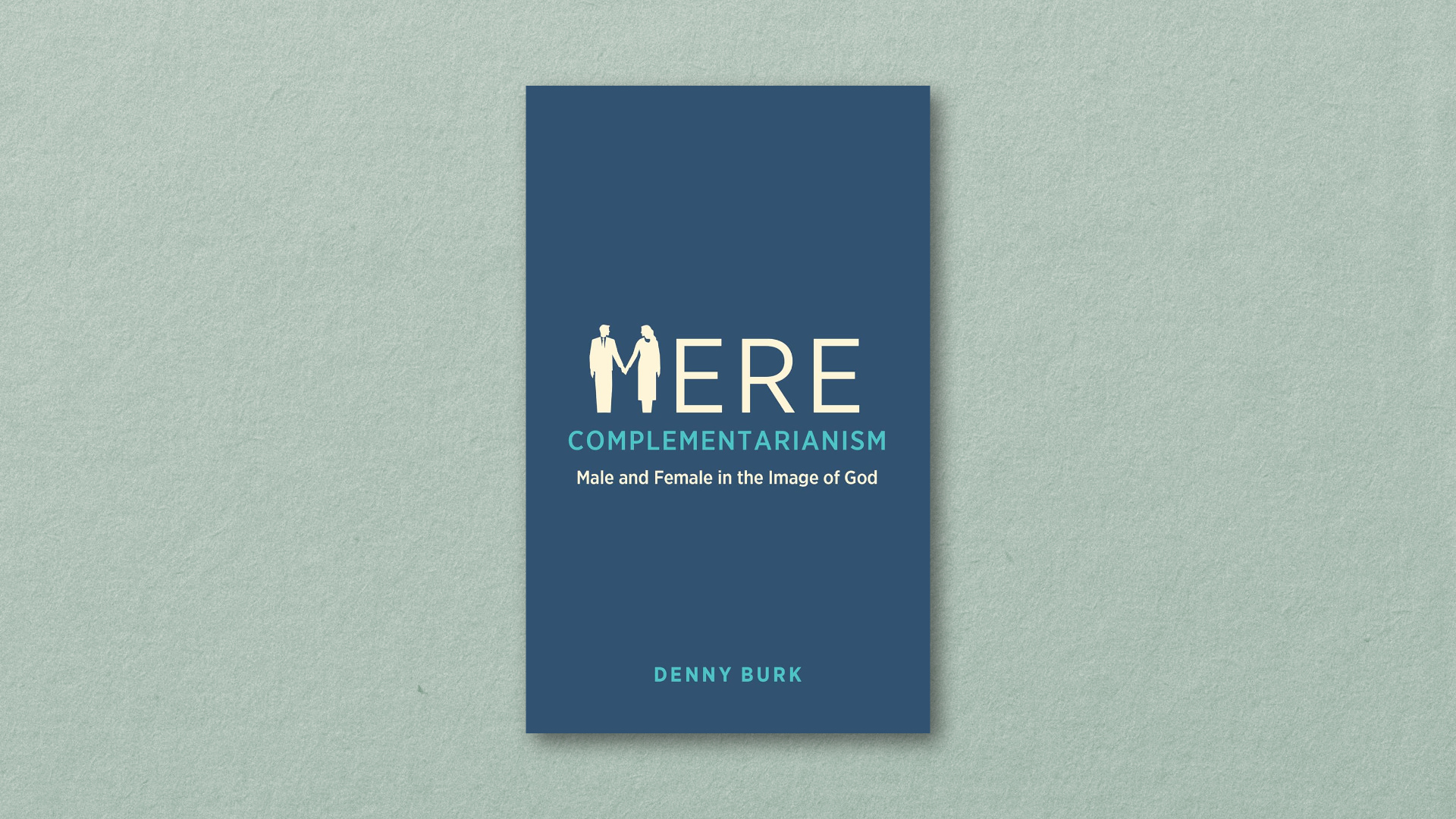
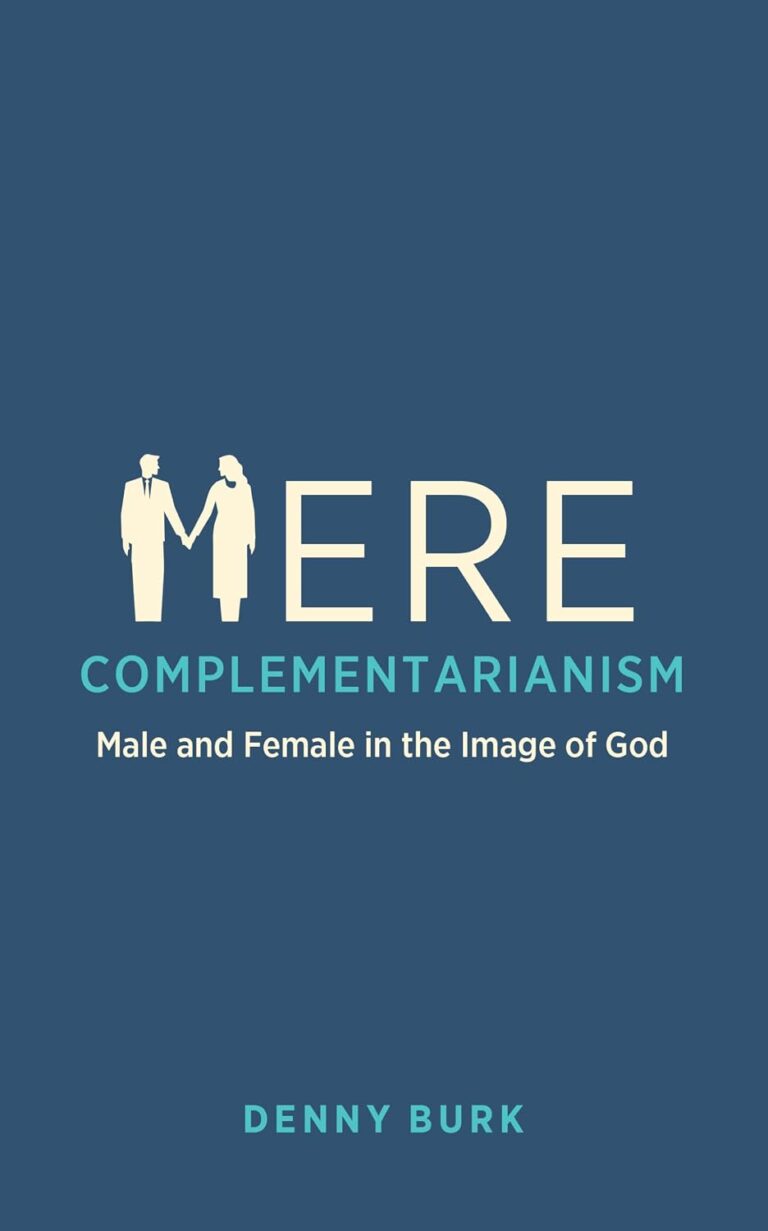
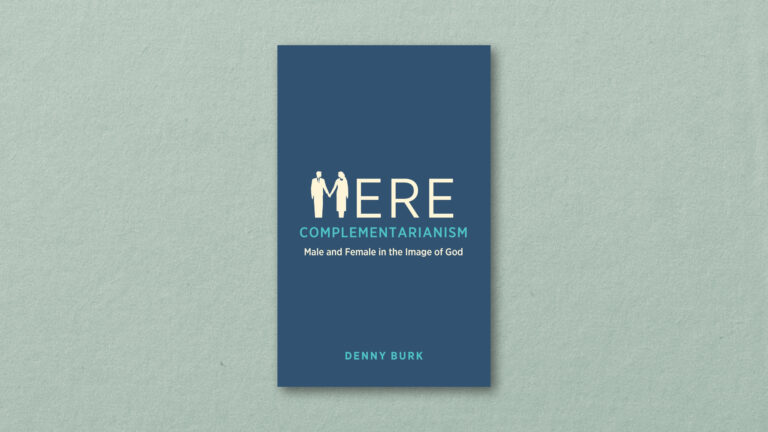
‘Mere Complementarianism’ delivers as promised: an overview of God’s vision for men and women in the church and beyond that’s straightforward and helpful.

The absence of direct instruction is the instruction.
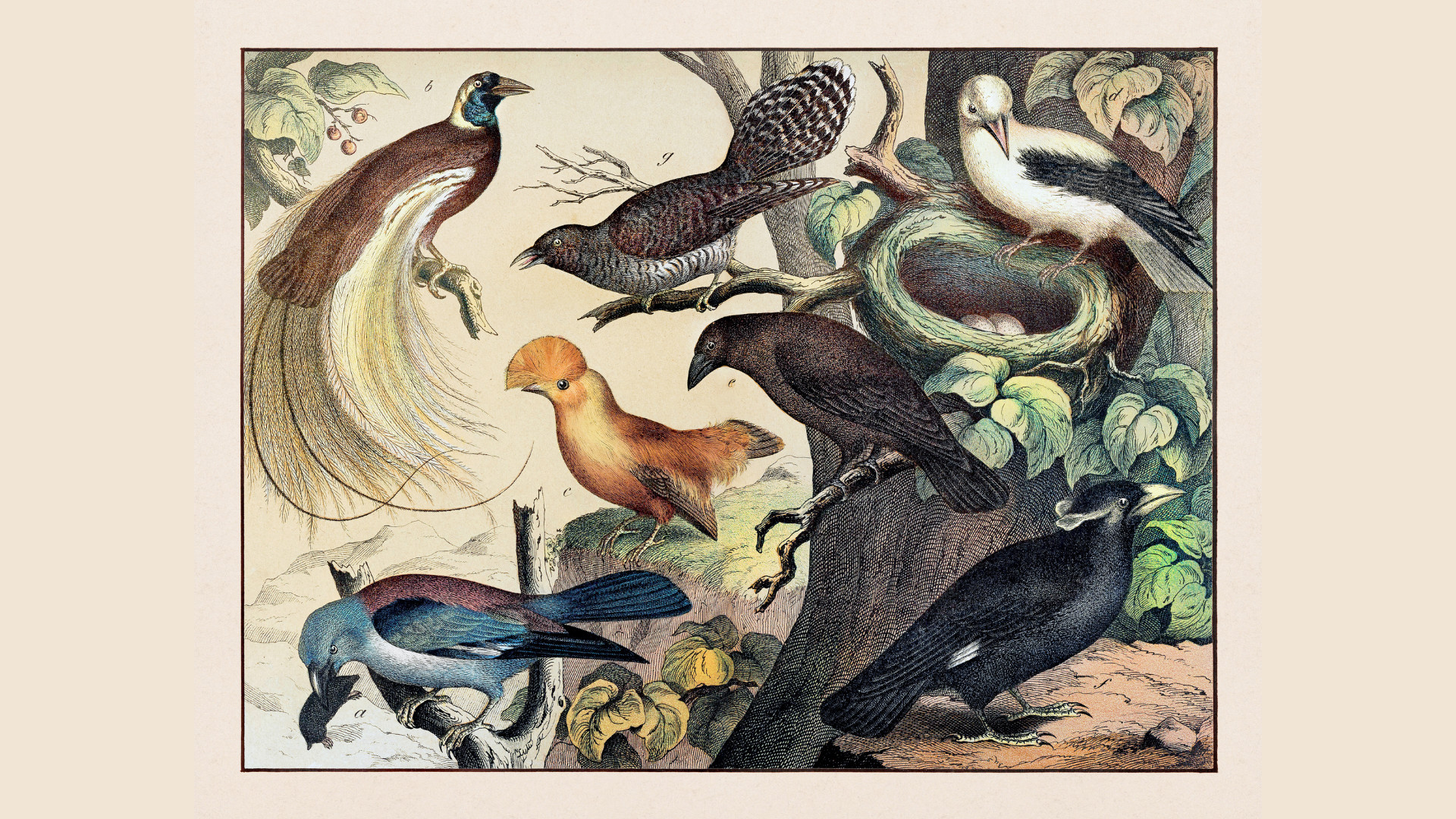
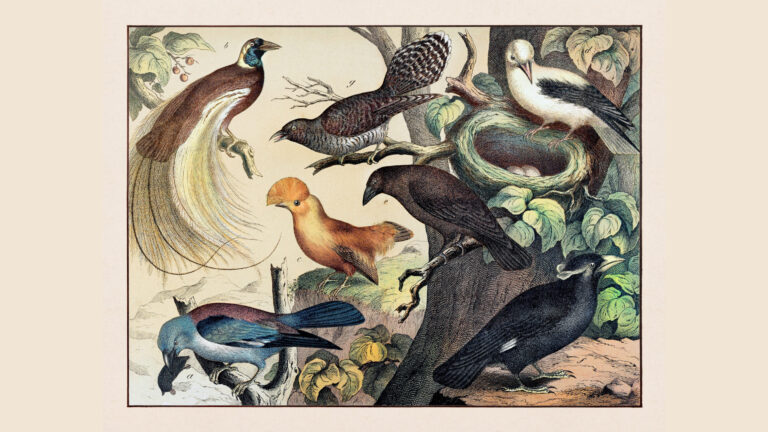
God made at least 11,000 different species of birds. Doesn’t it seem like he wanted us to notice?

The world says to age is to diminish. But as Jen Wilkin shows in her new book, the Bible says to age is to deepen.
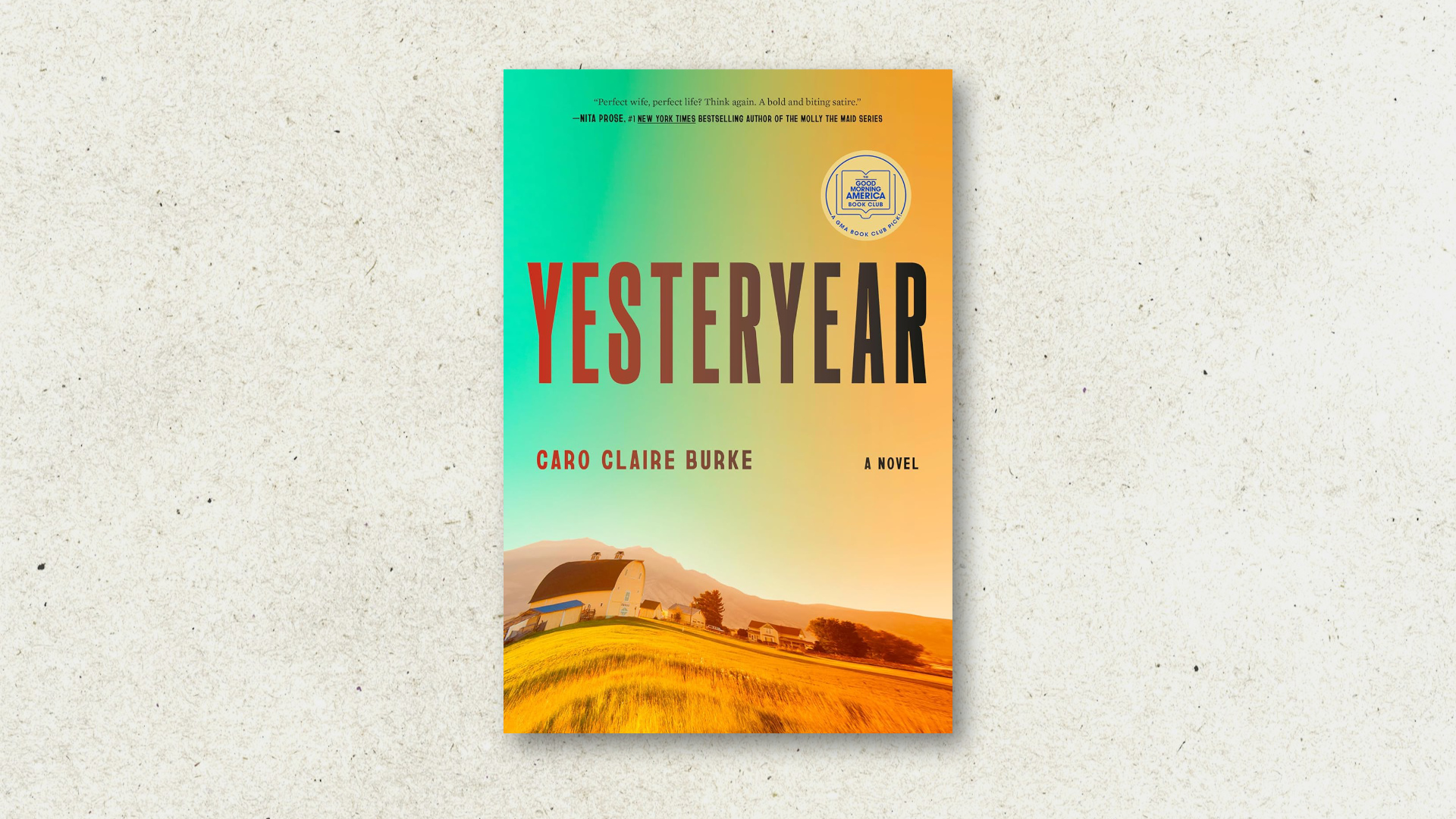
The attempt at satire is evident throughout ‘Yesteryear,’ but good satire requires enough of a grasp to know what you’re making fun of. Burke doesn’t.