




Courtney Doctor talks with Wendy Alsup and Vaneetha Rendall Risner about their experiences of divorce. They share the Scripture passages that helped them keep going and talk honestly about what to say (and what not to say) to someone going through a divorce. They explain why it can be hard for a newly divorced Christian to go to church and why it’s vital to go anyway.
Resources Mentioned:
- Walking Through Fire: A Memoir of Loss and Redemption by Vaneetha Rendall Risner
- I Forgive You by Wendy Alsup
Related Resources:
- This Was Never the Plan: Walking with God Through the Heartache of Divorce by Vaneetha Rendall Risner
- Hope When Your Spouse Divorces You
- Why I’m Going Back to Church After My Divorce
- A Case for Being Honest with Your Elders
- When Shame Remains After Divorce
Discussion Questions:
1. How has divorce affected your family or close friendships? What were the hardest spiritual or emotional struggles you or those close to you faced during that season?
2. What promises of God are especially important to remember when walking through deep disappointment or loss?
3. If you knew a friend was going through a divorce, what might hold you back from reaching out to her?
4. In what ways have you seen the church support women (and their children) walking through unwanted divorce well? In what ways could the church provide more support or encouragement to the marginalized or hurting?
5. What suggestions from this conversation helped you understand how to walk with friends or family navigating divorce?
6. In seasons when you cannot control outcomes for your family, what does it look like to trust God?
7. What does gospel hope look like in the aftermath of something as painful as divorce?
Transcript
The following is an uncorrected transcript generated by a transcription service. Before quoting in print, please check the corresponding audio for accuracy.
0:00:00 – (Vaneetha Risner): God is writing a good story with your life like, this is not the end. And so hang on to God and trust him. He will walk you through what feels unthinkable.
0:00:20 – (Courtney Doctor): Welcome to the Deep Dish, a podcast from the Gospel Coalition where we love having deep conversations about deep truths. I’m Courtney Docter, and today my guests are Vinitha Reisner and Wendy Allsup. Vinith and Wendy, thank you so much for being here with us today.
0:00:37 – (Wendy Alsup): Thanks.
0:00:38 – (Vaneetha Risner): Thank you for having us.
0:00:40 – (Courtney Doctor): Well, it’s not a light topic, that’s for sure. We were just praying and talking before we hit record, just that this is a weighty topic. We’re going to be talking about unwanted divorce, which we’re defining as a divorce either initiated by your spouse against your wishes or initiated by. By you because your spouse’s behavior has created biblical grounds for divorce. And I just want to begin by stating the obvious, that at some level, all divorce is unwanted. I don’t think anybody gets married hoping that they will get divorced.
0:01:16 – (Courtney Doctor): It’s always painful. And so we are praying and hoping that this conversation not only provides comfort and help for anyone who has experienced or is experiencing divorce, we also hope it will help all of us walk alongside our friends and sisters who either have or are. And so, Wende and Vanitha, one thing I love about both of you being on here is your stories are very different. And so what I’d like to do is just start by simply asking you to share your story with us. And I want to say on the front end, thank you for your willingness to do that.
0:01:53 – (Courtney Doctor): It’s a gift and something for us all to receive with gratitude. And so I’m hoping again that your stories will serve to help and encourage anyone listening. So, Wendy, would you. Would you go first?
0:02:06 – (Wendy Alsup): Sure. So my husband and I had been married about 14 years when in 2012, he had the onset of really severe symptoms of what we would later figure out was schizophrenia. And he had several hospital stays, was resistant to treatment. And. And in 2014, when our boys were maybe 8 and 9 or 8 and 10, he did something that made me feel unsafe, and I had to file for legal separation. And I had really, really hoped that he would get on medicine, that we could reconcile, that he could come back home.
0:02:49 – (Wendy Alsup): But he then took it to the next level of divorce. So in 2015, we were divorced. And that was 10 years ago. He’s still in our. He’s disabled through mental illness and some other health issues, but we have not reconciled.
0:03:09 – (Courtney Doctor): Thank you. Vinitha, do you mind telling us your story?
0:03:12 – (Vaneetha Risner): Yeah, we had been married 17 years and my ex husband came home and said from a business trip and said he had met someone else. As it unfolded, I found out they had been in a relationship for a year. And. And so we. He did not know if he wanted divorce though. So I was just trying to figure all of that out. So we were in counseling, just trying to figure what to do out. We had two daughters who were 11 and 13 or 10 and 13.
0:03:49 – (Vaneetha Risner): So I was praying and asking the Lord for wisdom and it took a long time to make it really clear. So it was a very hard process. And we are friends now, but obviously not reconciled.
0:04:04 – (Courtney Doctor): Well, and Vinitha, you know, you and I are. Well, we all three are real life friends. You’ve also written about your stories that in books that I. We’re gonna put in the show notes because they are amazing. So I know in Walking Through Fire, you also. This wasn’t even the first time, and you had not only gone through the death of a child, but you had gone through previous infidelity with. With the same husband, your first husband.
0:04:29 – (Courtney Doctor): And so this was kind of just wounding upon. Upon wounding upon wounding. When you finally realized that he was not actually repentant, but continuing. Continuing in sin. Yeah.
0:04:47 – (Vaneetha Risner): And I mean, one thing that my pastor said that was really helpful is repentance has fruit. And so you don’t want to have him move back in until you see fruit. And that was something I had, you know, written every day, like, help me see fruit, help me to know what you want me to do. And that was a very helpful statement that he made. But yeah, at that point, we. I had been through a lot. We’d been through a lot together.
0:05:12 – (Courtney Doctor): Yeah. Yeah.
0:05:13 – (Vaneetha Risner): Which is why I wanted to hold on when you go through a lot of struggles together.
0:05:17 – (Courtney Doctor): Well, we’ve already talked about this phrase, biblical grounds for divorce. And so do you guys. Would you kind of talk about what that is and sort of set the parameters for us as we. As we enter into this conversation talking about how we. How we walk through these things. Can you each kind of speak into what. What does that mean, biblical grounds for divorce?
0:05:38 – (Vaneetha Risner): Yeah, I would say one, infidelity is very clear in. In scripture. And then Paul. So Jesus talks about that, and then Paul talks about abandonment by an unbelieving spouse. And those are the two super clear lines. But a lot of people would say that abuse is really abandoning the covenant, because that’s really a lot of what abandonment is. It doesn’t have to be physical, but abandoning the covenant that the Person made.
0:06:08 – (Courtney Doctor): Well, I think that’s such an important distinction because I think a lot of times we think of abandonment as of the person, and yet the spouse is still there. But the abandonment of the covenant, of the covenantal promises and what’s promised and pledged in the covenant, that’s why the, the words we speak in the ceremony matter, because that’s one of the things that we would then be looking at. Wendy, what about you?
0:06:31 – (Vaneetha Risner): Yeah.
0:06:31 – (Wendy Alsup): And I think for sure safety issues for you or your children are really, really important. I was fortunate in Washington state to have the opportunity for legal separation. And not every state offers that, but that was really good and a helpful tool for me to remove me and my children when I felt unsafe and for a lot. If your state allows that, that is a good resource to use. If you’re unsure about what to do long term, but you have a short term immediate need that there are some options.
0:07:07 – (Courtney Doctor): Well, I would love to know, just as you were going through a time that was obviously incredibly painful and brutal, what promises, what scriptures, where did the Lord in his word meet you in this that you could just like lifelines from the Lord to cling to?
0:07:24 – (Wendy Alsup): I have one that I ended up getting. The Lord brought it in my reading early on and I ended up making it into a wall hanging. And it was Deuteronomy 10:18. And it’s just about God’s character. And his character is that he executes justice for the fatherless and the widow and loves the sojourner, giving him food and clothing. And that was the promise I needed because I really in many ways did feel like a widow, even if I didn’t technically, you know, meet that description. My children were fatherless for a period of time and I was a sojourner. I had to pick up everything and move.
0:08:04 – (Wendy Alsup): And so just knowing that God’s character loved me in this situation, you know, not just when I was a happily married or stably married, but as a. As in this particular crisis. His character is to love and provide.
0:08:21 – (Courtney Doctor): Vinitha, what about you?
0:08:23 – (Vaneetha Risner): Yeah, well, I would say, I mean there’s so many scriptures and I know Wendy would say that as well. I mean one that really stuck me there too. They were a lot about one group is just that God was with me because I felt so abandoned. Like I felt more alone than I was than when I was single. I mean, I felt utterly alone. And I loved Isaiah 43, which says, Fear not, for I have redeemed you, I have called you by name, you are mine when you pass through the Waters I will be with you and through the rivers. They will not overwhelm you.
0:09:02 – (Vaneetha Risner): When you walk through the fire, you will not be burned. And I feel like those things were happening in my life. And recognizing God was with me in all of those things in a very tangible way, I felt like that was huge to me. And then this scripture that I think is often overused but is a deep truth. And that’s Romans 8:28. All things work together for good, for those who love the Lord and are called according to his purpose.
0:09:33 – (Vaneetha Risner): And I thought, how could this ever be good? You know, I’m sure Wendy and I would say this felt like the worst thing that could happen to a family, a Christian woman. I mean, it just felt horrible and it felt against God. Whereas Courtney mentioned my son had died years earlier, but that. That didn’t feel like it had sin all wrapped up in it. So I felt like, well, does God have a good plan for my life now?
0:10:01 – (Vaneetha Risner): And so that verse was huge to me. Recognizing I love the Lord, God has a good plan.
0:10:08 – (Wendy Alsup): Well, I was going to say the other one I mentioned, I would mention too, is similar to what Vanitha was talking about, but Psalms 126, that talks about sowing while you’re still weeping, though we are weeping, Lord, help us keep sowing the seeds of your kingdom. And that was a real hope I needed, because in. In the middle of it, you can only see the destruction. And it’s hard to envision that there’s any planting or cultivating or value to work for the future, because everything you. You’ve. You were working towards seems.
0:10:45 – (Wendy Alsup): I remember I felt like I had been farming my family, cultivating, and now Satan had planted my fields with salt. You know, like he insulted my field. And I needed God’s encouragement and promise. No, there’s still seed to be sown, and you don’t have to be done weeping or mourning the loss in order to sow it. And Psalms 126, that was a real important place to meditate for me for a very long time.
0:11:16 – (Courtney Doctor): That is beautiful. And I love how both of you are pointing towards, like, the nature and character of God, like his faithfulness, his ability to bring something beautiful and good out of something dark and ugly and hard. And how he’s the one who never, you know, leaves you or forsake, like you’re pointing back to his character. And I love, Wendy, how you started it, reminding us, like, from beginning to end, the story of Scripture, God cares about the marginalized, and that is the single woman that is the widow and the soj, like you said.
0:11:53 – (Courtney Doctor): And that, I think so often we can feel like, oh, no, I’ve been marginalized outside of, you know, pushed out. And it’s like, no, no, no, you’re actually, like, the Lord is so clear that you’re actually the one my eyes are on. And I am going. I am commanding my people, commanding my people to. To look out for you and to take care of you. Because. Because my people are meant to express my love and my care through their own, you know, hands and feet. But we also know that doesn’t always happen very well.
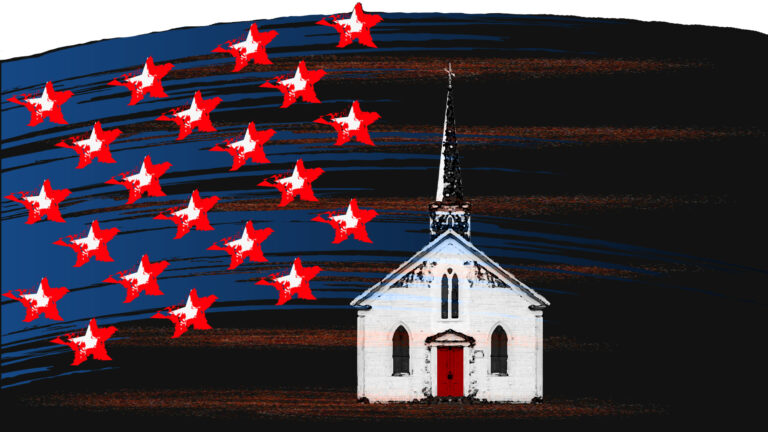
0:12:27 – (Courtney Doctor): And sometimes the church. We had an episode recently about church hurt. And because, you know, people in the church, I mean, this idea, you know, here’s the church, here’s the steeple, you know, the doors, there’s all the people. Because it’s the people, right? It’s the people inside the church that can just be so not helpful and not expressing the heart of our Father, the character of our God. And one of the things we’re hoping this podcast will do is equip the church to be better at this. So what were some things. Let’s start with the negative. What were some things that people in your life, or especially the church, said or did that were unintentionally, Lord willing, unintentionally hurtful or exceedingly unhelpful?
0:13:11 – (Vaneetha Risner): They were. I remember I was teaching Bible study, and somebody went to my pastor and said, I don’t think she should be qualified to teach anymore. And I, yeah, that was pretty devastating when you’re already feeling so bad. And so that was probably more intentional, but she just felt like, doctrinally, like, was that a good thing to have somebody who was going through that in front of, you know, everybody?
0:13:39 – (Vaneetha Risner): So that was really hard and hurtful. And then I would say what people didn’t say was hurtful. I don’t know about you, Wendy, but, like, I stopped being invited to things like, the world is couples, and couples that I spent time with were all of a sudden doing things, and I would find out, and it’s like, well, you know, you would feel awkward. And so I felt like my social community in church, like, people were great in church, but then outside of church, things really changed.
0:14:10 – (Courtney Doctor): That’s a good word to.
0:14:12 – (Wendy Alsup): For me, one of the things that really was hard for me was getting the sense from other people that they couldn’t comprehend that maybe I had not brought this on myself. And so there was, like, a consistent barrage of things to try to do to change. And it disrespected the fact that I had worked very hard to try to understand this. And you know, it was so well meaning. And so I can’t fault friends who wanted to help me stop this train that was coming toward my family.
0:14:52 – (Wendy Alsup): But at some point you’re just so exhausted and demoralized from watching the first 25 things you tried and the first, you know, 10 big initiatives based on wise godly counsel, and you just have not been able to stop this train heading towards your vehicle. That’s how I always felt. Like we were in a minivan, stuck on the tracks, and I could watch this train coming toward our family, but nothing I tried could get us unstuck from this track.
0:15:26 – (Wendy Alsup): And I really needed people to listen and process with me. But so often folks were threatened by like a fear, well, I don’t want this happening to me, so surely you must have done something contagious. Like it’s contagious. That’s right. And so that was really, really hard for me. But I did have some friends. And what I learned to do was find others who have suffered. And it doesn’t have to be the ones that have suffered the same way because they generally, through their own learned experience, through their own suffering, have a better ability just to kind of quietly allow you to process and be a sounding board to you rather than firing at you with advice or things to try.
0:16:11 – (Courtney Doctor): So that’s kind of the take home is just be a sounding board and just start with, I’m just so sorry, how can I help? Right?
0:16:18 – (Wendy Alsup): Yeah, that’s right.
0:16:19 – (Courtney Doctor): Let me tell you what I know, because we actually don’t know.
0:16:22 – (Vaneetha Risner): The other thing I would say, and I learned this from my kids, is my kids felt pretty hurt by the church community because everybody kept telling them to listen to me because my kids were going wild. So there was a reason for it, but it felt like nobody was listening to them. And that ended up being really hard for me because they struggled with church then and you want that to be a safe place. But they would walk in and people were like, are you doing these things for your mom? And this is hard for her?
0:16:53 – (Courtney Doctor): And.
0:16:54 – (Vaneetha Risner): And it was a battle, even though nobody was asking them. So my kind of thing to say to people is if you see somebody with children in the church, like see them as people, because what you say to them often would come back to me and would wound me, even though the people in the church were trying
0:17:14 – (Courtney Doctor): to help me, and there are people that are going through their own immense and intense grief and how can we do the same thing for them that we’re just saying, you know, we would all want? And that is listen and just say, I’m sorry, how can I help? And see them and listen and yeah, that’s really good because both of you, you know, Vinitha, two daughters and Wendy, two sons. What were your prayers for your children in the wake of or in the midst of your divorce?
0:17:46 – (Wendy Alsup): You know, my prayer has always been for them, that God would help them love him, love his Word and love his people. And one of the things, I got such good advice early on with my boys and it was don’t try to distract them from the pain, but help them and me. We had to walk through it and their pain could feel threatening to me. Like I feel bad, you know, that because of the life choices I’ve made, I guess, you know, now my children are hurting and I need to convince them it’s not as bad. No, we’ll be good.
0:18:26 – (Wendy Alsup): But the advice was no, let them walk through it and cry with them and pray with them and not be threatened by it. And I think that was a really, really important piece of advice for me. And I feel like they have processed it and are pretty healthy emotionally despite it. And I thank God for that. But like I said, my prayer has just been that they would still love God, that he would draw them to himself, that they would love his people and that they would love his Word and God’s been kind with them.
0:19:00 – (Courtney Doctor): Man, that’s just beautiful advice. I mean, not only beautiful things to pray for all of our children, right? I mean, those are no different than what I would pray for my children. It’s just, you know, in praying that yours have walked through some things that would make it even harder. A father, you know, Goddess father, and, and his people having experienced different things. But I love that. Let them walk through it because they are walking through it and all of that. But I, I can see how my own proclivity would be to, you know, try to minimize their pain and instead of allowing it and, and walking with them in it. That’s. That’s really good advice. Benitha, what about you with the girls?
0:19:40 – (Vaneetha Risner): Very similar. I mean, my prayer was that they would run to God and that they would find him sufficient like it, you know, because it felt so broken for them with their dad who was involved in the church. Like, I just prayed that they wouldn’t be bitter against the church, against God and against him, you know, because I know bitterness kills us. You know, it just eats us from the Inside out. And so I really prayed a lot about that. And then for my daughters, given our situation, I prayed a lot that they would be able to trust men. Because for a long time when they were kids, they were like, I will never trust a guy.
0:20:22 – (Vaneetha Risner): And because they had so trusted their dad. And so it felt like so much like we were shocked. Can we. Can we trust and God? You know, they’re both married and both have married wonderful men. But we had to talk through a lot of that. What does it look like to trust? And it’s really trust in God. I mean, that’s what we ended up with. You can’t necessarily trust people any way. You have to put your trust in God.
0:20:53 – (Vaneetha Risner): But that was a big prayer for me with daughters.
0:20:56 – (Courtney Doctor): Yeah, those are just beautiful things to pray, really, for all of our children. But just even allowing the honesty of saying, even as I pray this, I recognize that this is exponentially more difficult for you because of the way the Lord is writing. Really, all of our stories, we’ve kind of touched on this. This idea of kind of what to say something, don’t say something, you know, But I think it. I don’t think it can be said too many times because silence, one of you said, is just as painful sometimes, maybe more painful than saying the wrong thing. So this idea of ignoring it. And so just to make it really obvious and explicit, if you know someone going through a divorce and you haven’t talked about it, you know, do you.
0:21:45 – (Courtney Doctor): It’s like if somebody has just gone through the loss of someone, through death, I mean, you don’t avoid it. You go straight to them, right? And you say, I’m so sorry. So why is it kinder to mention this thing in their life? And when is it okay to kind of avoid it and say, you know, this isn’t the time to talk about it. Like, is there. It’s a wisdom issue. And so what have you gleaned through your lived experiences that you would be able to offer to us?
0:22:15 – (Wendy Alsup): Yeah, one thing I’ve learned to do, and people did it with me, is, you know, just say, hey, I know what’s going on. And if you want to talk about it, I’m here. And I’ll try not to. I tell everybody now. I’ll try not to offer advice. I’ll try just to listen honestly. But also, if you just want to go and have fun and let’s distract, then I’m good for that, too. So, you know, I’m here. And when you’re ready to talk or need a place.
0:22:42 – (Wendy Alsup): Just know I, I, I’m, I’m, I’m here, but we don’t have to talk about it.
0:22:47 – (Courtney Doctor): That’s wisdom right there. We can do both. I’m here. I see you. Like, that’s kind of that just I see you. And, and I know sometimes you’re going to need this and sometimes you’re going to need this. And so I’m here for both of them. I like that.
0:22:57 – (Wendy Alsup): Yep.
0:22:58 – (Vaneetha Risner): That’s great advice. I would say if somebody, like, if it’s somebody you kind of know and that you’ve talked it through, like my good friends. I love the question, how’s today? Not how are you doing? How are you doing? Is the most difficult question. Like, are we talking? Like, there’s so many areas of how are you doing? So how’s today going then? People can move that whatever way they want to. And so I like that question because
0:23:27 – (Courtney Doctor): it’s not intrusive and it’s very specific and it’s very focus. And it also, it, it is implicitly recognizing that there are days you’re gonna say, I am feeling so held by the Lord. I am feeling so comforted and strengthened by him. And there are other days that you’re gonna feel, you know, that everything’s falling apart and I am all alone. And there is no, you know, all the things, the way the enemy comes in and lies to us. And so that house today is so specific. I think we could take that and use that in a lot of different situations.
0:23:59 – (Courtney Doctor): Well, we’re gonna take a little break really quickly, hear a word from our sponsor, and then we’re going to come back and we’re going to talk more about how a church family can really support someone walking through unwanted divorce. So we’ll be right back. Mother’s Day is such a great time to think about the people who care for everyone else so faithfully. The ones who make our homes feel warm and restful and loved.
0:24:29 – (Courtney Doctor): And so this week, Cozy Earth has a really beautiful way to celebrate that person.
0:24:34 – (Vaneetha Risner): Their sheet sets are made from viscose from bamboo and feel incredibly soft.
0:24:39 – (Wendy Alsup): Cool.
0:24:39 – (Courtney Doctor): We love cool and comfortable the moment
0:24:42 – (Vaneetha Risner): you climb into bed. They’re breathable, temperature regulating, and made to get even softer with every wash. The kind of everyday luxury that you actually notice.
0:24:52 – (Courtney Doctor): And for one week, I only. From April 12 to April 18, Cozy Earth is offering a buy one, give one deal on sheet sets. So you can buy a set for yourself and get one to give to a mom or mother figure who deserves to be cared for too.
0:25:07 – (Vaneetha Risner): Plus, Cozy Earth offers 100 night sleep trial and a 10 year warranty. So you can feel really good about giving this gift.
0:25:14 – (Courtney Doctor): Head to cozyearth.com and use my code deep dish for this exclusive buy one, give one offer. And if you get a post purchase survey, mention that you heard about Cozy Earth here on the Deep Dish because
0:25:26 – (Vaneetha Risner): we know that moms make home special.
0:25:34 – (Courtney Doctor): Well, welcome back for this deep conversation that we’re having about unwanted divorce and offering help and hope and encouragement not only for those walking through it, but also for those of us that want to walk well with friends and family through unwanted divorce. So I know a lot of times, and I’ve heard other people say this too, that it can be really hard to go to church during a divorce or when you’re newly divorced. And so why is that? Why is that particularly difficult?
0:26:09 – (Wendy Alsup): I notice for our family that church for many weeks and most of the year was the one consistent thing that the four of us did every week. So Andy would go to work, I would take the boys to school. We might, the four of us go out together to eat somewhere, we might go to the park every other week or something, but every week the four of us would get in the car together and drive to church and get lunch afterwards.
0:26:39 – (Wendy Alsup): And so that we just really felt his loss. I really felt his loss just going to church, sitting in church. All the other families, you know, you would see the fathers sitting with their wives and their children, and ours was obviously absent. My boys would notice it. We went to family camp and it just broke my heart because I wanted to continue, you know, in the rhythm of church. But my boys noticed that all the other families had a dad.
0:27:13 – (Wendy Alsup): And my youngest just cried to me about that at family camp. And it ended up being less of an encouragement to him and more of a discouragement. So, you know, church can initially be a really painful place, and yet we need church. And so it’s important to persevere through it. And eventually for me, I ended up in a multicultural church plant and ended up more being the norm. Like, we have actually more single moms in our church than we have intact families, you know, which has a different set of struggles.
0:27:53 – (Wendy Alsup): But that ended up being a place that was helpful to me. And in general, what I do feel like by persevering through at church, I started noticing other broken families, other broken people that they were on my periphery before. I didn’t notice them because they were marginalized, right? And then once you start feeling marginalized, your eyes open to other marginalized people. And I develop new friendships with people that I didn’t even necessarily think of developing a friendship with before, maybe just because I was kind of oblivious. And that’s one of the benefits of suffering, is that it opens our eyes to other sufferers. And sometimes that can be really, really sweet.
0:28:37 – (Vaneetha Risner): I would say similarly, I felt so conspicuous in church because our church has mostly intact families and there was church discipline. Everybody in the church sort of was somewhat aware of what happened. And so I felt like all eyes were on me. And I really struggled with just feeling alone and also feeling a little bit of judgment and unspoken things that just little comments made church a lot harder for me at first, even though I loved my church and the church was really supportive, walking in and sitting by myself, like in the same spot. So we decided to sit somewhere else a little bit different. So it didn’t feel like, you know, now we’re three seats instead of four.
0:29:32 – (Courtney Doctor): Yeah, well, that’s an interesting paradox to feel conspicuous and alone. And yet you can. Like, as you guys were saying, that I could feel the weight of that, of sitting there and feeling like not only does everybody see this, but nobody’s moving towards me. And so, yeah, I mean, it just. I feel the. I feel the weight of that. And I. I want to. I’m looking. I want to look around my congregation more than I am maybe currently.
0:30:04 – (Courtney Doctor): So for the woman who right now is just like, yeah, I don’t want to feel conspicuous and alone. I don’t want to feel judged. I don’t want my children to feel that. What would you say to her to help her press into it? Because, Wendy, you started off by saying, we really need the church. It might be the hardest place to go, but we really need it. So how would you encourage her in that way?
0:30:28 – (Wendy Alsup): Yeah, I think that a lot of it is just getting up and continuing on. It’s, you know, just the word perseverance, but also praying as you go in. Like, I really can’t say strongly enough what. How important it was for me as time went on that I started noticing the marginalized in my community, the marginalized in my church, and that my presence in the church and became more welcoming to others that were broken. You know, the church is a hospital for the sick.
0:31:02 – (Wendy Alsup): Right? To the church, it’s supposed to be. Right. And so it’s a barrier to others who are marginalized or hurting or wounded or going through some kind of deep seated pain to come into a church that seems only the happy, you know, shiny people. And so really, it took a Long time for me to mourn. I had to mourn the loss of that shiny life I had longed for before. I could really embrace the value that my presence brought to our church community by making it more welcoming for those who really needed it.
0:31:42 – (Wendy Alsup): And now I own that and I’m thankful for it. But persevering through that transition in your own head as you’re mourning the loss of one life and trying to figure out the new. But that’s part of that precious bag of seed that’s at our feet as we’re even still mourning the loss of the first. But there is opportunity in our churches for us to minister to others with the grace we have received.
0:32:13 – (Courtney Doctor): Comfort with the comfort we’ve received. Yeah.
0:32:15 – (Vaneetha Risner): Vanitha, I would say one we need, like, corporate worship. Like, singing together. Like, I remember just tears running down my face, but looking around and we are all singing and praising God together. And I needed the word and I needed to sit and be taught. So that is one reason you want to go to church, because if you watch it on your little screen, you don’t get that. The other things I would say is, if you’re going to the same church that you were part of, ask somebody to save you a seat. That makes it so much easier to say, we’re sitting with people so we don’t feel so conspicuous. So if that’s a barrier, ask somebody to save you a seat. If you went to lunch with your family, ask other families to go to lunch with you. So the rhythm feels like, okay, we get to do something rather than get in our car and drive home.
0:33:10 – (Vaneetha Risner): And then I would say, if you are going to a new church, because sometimes people, for whatever happens, they really need to find a new body to worship in. I would say one think about what you’re gonna say when you walk in. Like, people may wonder, like, you’re walking in with your children and you might wanna have like a phrase like, hey, I’m going through a divorce and it’s been hard. God is carrying me. You don’t have to give them all the background, but it might be helpful to just have it memorized so you know what you’re gonna say.
0:33:43 – (Vaneetha Risner): And so I think those things make it a little easier because sometimes we feel deer in the headlights, like, what do I say? What do I do? So I think spending the time to think about that a little bit and can make it easier if you’re struggling to get up and walk out the door.
0:34:03 – (Courtney Doctor): Well, even as you’re talking vinitha and you’re Saying, like, these are the things I had to do. These are the things I had to think through. You’re also instructing all of us as church members, be the one to invite somebody to sit next to you, be the one to initiate the lunch. I mean, it’s just. It’s very instructive, and it would be wonderful if the church could come alongside in a way that actually alleviates the burden of you having to initiate all of that.
0:34:30 – (Courtney Doctor): But those are just like, really practical, tangible things. We’ve been talking about the church in relationship to women going through unwanted divorce, and we’ve really been honing in on the people in the church, the people in the pews. But we also know that when we talk about the church, we also can be talking about the pastors and the elders and the ministry leaders, which can be a completely different dynamic. And this is a woman’s podcast. We know that not many, if any. No, we actually know of a few men who are listening, which is really fun.
0:35:02 – (Courtney Doctor): Hello to all of you out there, all two of you. But, you know, we know that not many pastors or elders are listening, but are there some practices that you would commend or warn against for a pastor or elder to shepherd a woman well through the process of unwanted divorce? Because I am imagining that you have simultaneously seen it done well and seen it done poorly.
0:35:29 – (Wendy Alsup): Yeah, I had a really sweet situation at my church in Seattle where one of my elders was a lawyer, and he knew a Christian family attorney in his law group. And so he and that Christian attorney and my pastor all sat down with me around at the law office, around a table, and we just brainstormed. They knew my heart, which was to not divorce. And they were very careful to offer wisdom. But be very careful to say to me, wendy, you know, these are your choices, but we’ll support you in this.
0:36:12 – (Wendy Alsup): And then just kind of helping me brainstorm and think through the pros and cons, the different steps I could take that funneled me down to, you know, the place where I ended up. But they’re. They’re coming around me with grace and wisdom. Just I cannot say enough about what that ministered to me and their spirit and their prayer, praying with me and just having them as sounding boards of these men that had authority in my life but loved me sacrificially.
0:36:44 – (Wendy Alsup): It just made all the difference. Wow.
0:36:48 – (Vaneetha Risner): I had a similarly wonderful church experience. My pastor actually is a friend, and he got a bunch of women together, and they had different things that they were gonna do, like one organized Prayer for me every few weeks. And a bunch of people came and prayed and meals and they had an elder who cut my grass. And I mean, I got complete care, which was incredible. And so that was wonderful. And I would also say to, if any elders are listening, like, see if there’s a woman who might mentor this person who’s going through a divorce and maybe tell the head of women’s ministry, like, hey, look out for this person. Because having somebody look out for you before, you know, seeing what you need, even like childcare. I have talked to a lot of women who are going through divorce that can’t show up at events anymore because they have nobody to watch their children. And you don’t really wanna pay a babysitter to go do that. So proactively thinking, what are your needs? Like, how can we help you get fellowship?
0:37:55 – (Courtney Doctor): That is, I love that both of you have experiences that you can commend. And even as you were talking, I thought, you know, there are certainly wives of pastors and elder listening and so maybe share this portion of what was done well, because there’s something about when something’s done well that’s set before us. I remember our old church, the deacons would have a dinner and it was just the deacons, their wives weren’t there. It was just the deacons for all of the widowed, divorced, single women really above a certain age.
0:38:26 – (Courtney Doctor): And they started off having it around February 14, which was really sweet. I don’t know if they still do it, you know, during that time, but they would just sit down and not only be conversation partners because we need our brothers and fathers and sons and the faith to have good conversations with. We, you know, we, we clean something that we wouldn’t and that we don’t in just single gendered conversations. And so it’s exposing and offering those opportunities. But then they did exactly what you said. They were like, hey, if you ever need somebody to come clean out your gutters or move, move your pool furniture or be there when a repairman comes by, like they were offering. They were being the church, they were being the hands and feet of Christ to the widow, to the single woman. And it was just really, really beautiful. So thank you for kind of holding that out there as something to be to move towards, Lord willing, in all of our churches with wisdom and compassion.
0:39:22 – (Courtney Doctor): So we’ve really been talking about two groups of women predominantly and I just want to recognize that there is probably a third group. So there’s all of us, everybody listening who is a church member. We want to become better church members at loving women in all types of suffering. And we’re talking about this one type of suffering right now. And then we’ve definitely been hoping that this conversation offers some real hope and help and encouragement for any woman who is right now in the midst of just the chaos of an unwanted divorce.
0:39:55 – (Courtney Doctor): But I want to just briefly speak to the woman who maybe is on the front end of a divorce. Maybe she has biblical grounds, but maybe there’s. Maybe there’s been like the fruit of true repentance, which we’ve, we’ve talked about. Or maybe it’s just a woman who’s just kind of tired, thinks the grass is going to be greener on the other side and thinks, you know what, I’m ready to bail on this because this is not all that I was expecting it to be.
0:40:24 – (Courtney Doctor): So maybe the woman who right now thinks that divorce sounds like a pretty good option. I’d love to take just a minute to allow each of you. Benitha, would you go first on offering a word to that woman?
0:40:39 – (Vaneetha Risner): Yeah, I would say divorce is no fun at all. It is not. It is grueling, hard, heart ripping. So if somebody is looking at this like this is gonna solve my problems, it will not. Like, especially if you’re just in a hard marriage that, you know, there are hard marriages and divorce is not the answer in that at all. I would say, you know, pray, ask God to give you wisdom and strength as well as if there is real repentance, which, you know, Courtney, we just talked earlier about the fact that I had been in.
0:41:20 – (Vaneetha Risner): I had pretty newly married when my ex husband had an affair and we went to counseling and had 10amazing years and it was worth all that work. I would do it again. Even though we ultimately did get divorced, he really showed fruit. And you know, fruit does not sound like, hey, are you over this yet? It is. Fruit is listening, owning it, continuing to come back. And we had a great marriage and I am so thankful for that. And so I am all for.
0:41:57 – (Vaneetha Risner): If you can work on it, work on it. It’s worth it for the glory of God. At the same time, you need wisdom and maybe you can speak to that, but it’s not a one size fits all at all.
0:42:12 – (Courtney Doctor): At all. Wendy, would you kind of come in with.
0:42:14 – (Wendy Alsup): Yeah, yeah. Well, you know, in terms of like the safety of your children or safety of yourself, you know, that’s a different, A different tension altogether different boat. But I’ve never known anyone who fought for their marriage that regretted fighting for their marriage. And you know, mine didn’t end the way, you know, I wanted it. And yet at the same time, I could say I’m thankful that God has saved me from some of the consequences of my ex husband’s illness. But I never, ever regret that I fought in every way that I could to keep our family intact. Because like Vanitha says, you know, you may think it’s hard being married, divorce is hard.
0:43:01 – (Wendy Alsup): You know, being a single mom is hard, and there are hard consequences on both sides. And so I think it’s worth fighting for, always worth fighting for.
0:43:13 – (Courtney Doctor): That is hard won wisdom and I appreciate you sharing it with all of us. Well, I want to ask one last just, you know, serious question, and that is would you each just speak a word of hope to any woman listening who right now is in the midst of. Maybe she’s just found out that an unwanted divorce is on the horizon. And we just want you to know we see you, we care about you, and I would love each of you to speak a word of encouragement to her.
0:43:51 – (Vaneetha Risner): I would say God is writing a good story with your life, like this is not the end. And so hang on to God and trust him. He will walk you through what feels unthinkable.
0:44:06 – (Wendy Alsup): Yep. Yeah. And I go Back to Psalm 126 over and over and over again. Though we are weeping, Lord, help us keep sowing the seeds of your kingdom for the day we will reap them. For all who go weeping will go out with songs of joy. And there is still a bag of seed at your feet. There’s precious seed to be sown. And even as you weep, there’s kingdom work to be done. Good work, beautiful work. There’s, there’s, there are fields to cultivate, and it is a beautiful work you have, not you. There is hope that there will be joy and hope and, and things to harvest down the road.
0:44:48 – (Courtney Doctor): Man, that’s beautiful. Back to the nature and character of God. He’s faithful, he’s kind, he’s redemptive, and he’s at work in all things. Well, we would like to end this conversation on a slightly lighter question just as women are wrapping up this conversation. So I would love to know just one thing in your life right now, no matter how small it is. What is one thing that is bringing you joy at the moment?
0:45:14 – (Wendy Alsup): You know what? For me, it’s my late harvest, which I’ve long since forgotten about. My, my summer garden bins. But I went out the other day and I have peppers like jalapeno and banana peppers and Sweet peppers. And I’m like, I didn’t know those came in in September and October, so I’m making me some pepper jelly. So.
0:45:37 – (Courtney Doctor): Okay, Wendy, after everything you just said about sowing and harvesting and the fact that there is still a harvest to come, and now you’re telling us that there was this unexpected. Oh, I’m gonna lose it. That is so. Who is like the Lord? Who is like the Lord? Oh, my word. I love that. Okay, mine would have been a lot simpler. Vanita, I just want to give you permission if yours isn’t quite as poetic.
0:46:04 – (Vaneetha Risner): It’s so deep and spiritual. But my. My daughter is having a baby next month. My older daughter. Yeah. And. And I am beyond excited. So that is not a small thing. It is a giant thing, and it is bringing me a ton of joy.
0:46:20 – (Courtney Doctor): Is amaz. Is this your first one? Yeah.
0:46:23 – (Vaneetha Risner): Yeah.
0:46:23 – (Courtney Doctor): I mean, picture.
0:46:24 – (Vaneetha Risner): So I’m remarried and. And we have three granddaughters. So super excited about those. And then Katie, who lives in town, is having a baby. I keep saying, are you going to name her little Vanitha? But they are not thinking that name. I don’t know why they’re not.
0:46:38 – (Courtney Doctor): Well, that’s rude. Now, what is your grandmother name?
0:46:41 – (Vaneetha Risner): Nana.
0:46:42 – (Courtney Doctor): Okay. That’s so cute. That’s so cute. I was just with Dana Gresh, and her grandmother name is Nana. Dana. Nana Dana. I just thought that was so cute. Well, Wendy and Benitha, thank you. You have gifted us by your just vulnerability and transparency and willingness to share your story and your wisdom. And so thank you. And friends, thank you for joining us on this episode of the Deep Dish from the Gospel Coalition.
0:47:10 – (Courtney Doctor): If you have found this conversation helpful or you know somebody for whom it would be helpful, please, please share it. Please, like, subscribe. And we have been saying recently the best thing you can do if you find these conversations helpful is leave a review for us on Apple Podcasts so other people can find it too. And we will see you next time on the Deep Dish.
Courtney Doctor (MDiv, Covenant Theological Seminary) serves as the director of women’s initiatives for The Gospel Coalition. She is a Bible teacher and author of From Garden to Glory as well as several Bible studies, including Titus: Displaying the Gospel of Grace, In View of God’s Mercies, and Behold and Believe. Courtney and her husband, Craig, have four children and five grandchildren.
Wendy Alsup is a math teacher, blogger, and author of several books including I Forgive You: Finding Peace and Moving Forward When Life Really Hurts and Companions in Suffering: Comfort for Times of Loss and Loneliness. You can connect with her on Instagram.
Vaneetha Rendall Risner is the author of several books, including This Was Never the Plan, Watching for the Morning, and her memoir, Walking Through Fire. Vaneetha and her husband, Joel, live in Raleigh, North Carolina. You can read more from her at her website. She is also a regular contributor to Desiring God and has been featured on FamilyLife Today, Joni & Friends, and Christianity Today.