

Why We Need History More than Ever Before
By tending and keeping the past, Christians can equip ourselves to communicate the truth, goodness, and beauty of Jesus Christ to a confused and rootless world.
By tending and keeping the past, Christians can equip ourselves to communicate the truth, goodness, and beauty of Jesus Christ to a confused and rootless world.



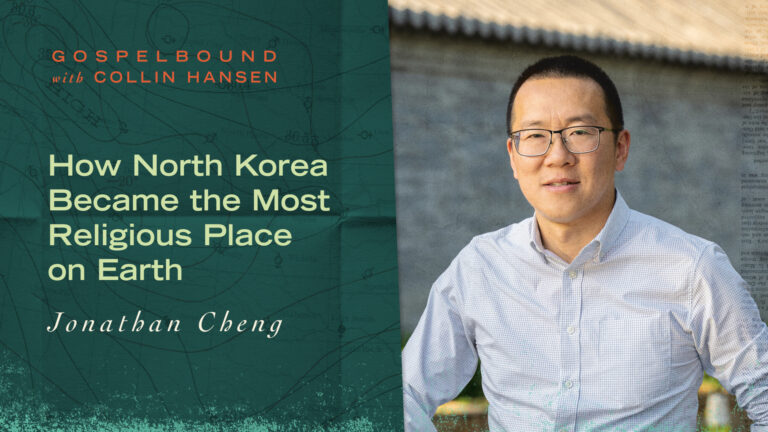
Jonathan Cheng explains to Collin Hansen how Pyongyang went from the ‘Jerusalem of the East’ to the center of North Korea’s communist Kim dynasty.
Don’t weigh risk by the odds of danger. Weigh it by the worthiness of the goal.

The shift from Christianity as a human-translated religion to an AI-translated religion is far from seamless and shouldn’t be overlooked glibly.

All sorts of Christians want to read the great tradition. We should remove the obstacles.


Matt Smethurst and Ligon Duncan offer hope for discouraged pastors, showing how realistic expectations, faithful friendships, long-term perspective, and confidence in God’s sovereignty can sustain them.
Matt Smethurst and Ligon Duncan offer hope for discouraged pastors, showing how realistic expectations, faithful friendships, long-term perspective, and confidence in God’s sovereignty can sustain ministers when visible fruit is slow and ministry feels heavy.
Listen Now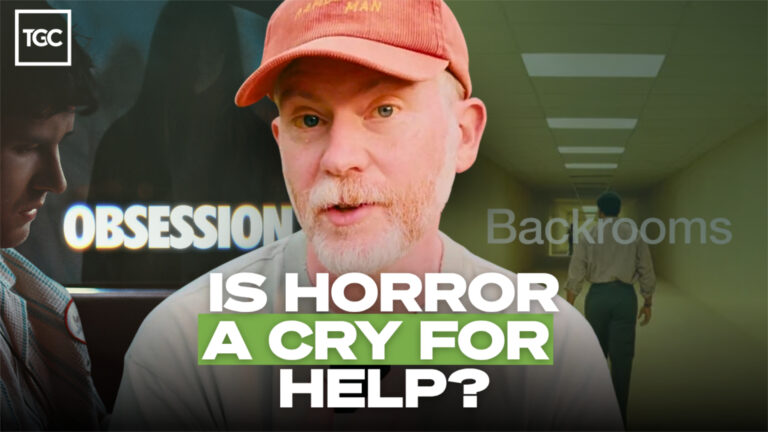
Three cultural dynamics behind horror’s current popularity point to disillusionment with scrolling life—and a spiritual opportunity for the church.

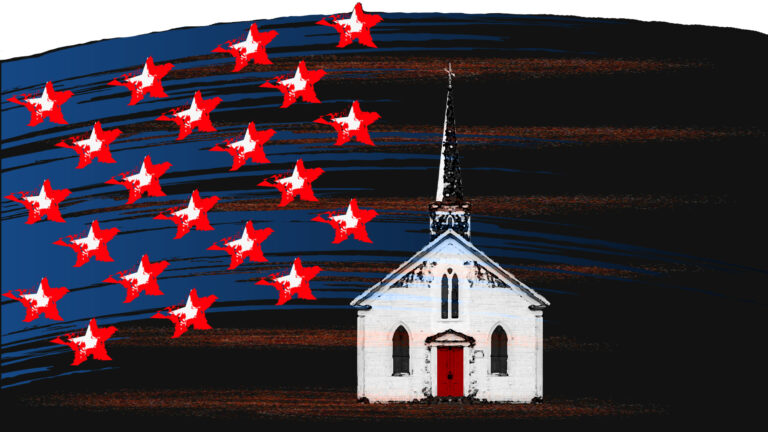
The American government needs a moral people, but that doesn’t mean it should be entrusted to guard the beliefs that make a people moral.





Courtney and Melissa talk with New Testament scholar Michael Kruger about the evidence that Jesus physically rose from the dead—and the difference that makes for all of life.
Courtney and Melissa talk with New Testament scholar Michael Kruger about all the evidence that Jesus physically rose from the dead, and they discuss the difference that makes for all of life.
Listen NowDan Doriani and Mark Vroegop talk about how our Sunday morning worship should prepare us to love our neighbors and serve the common good Monday through Saturday.
Jonathan Cheng explains to Collin Hansen how Pyongyang went from the ‘Jerusalem of the East’ to the center of North Korea’s communist Kim dynasty.
A lament is a prayer in pain that leads to trust.
In this live recording from TGCW26, Courtney and Melissa talk with Nancy Guthrie and Jen Wilkin about how to persevere in faith for the rest of your life.
Dan Doriani and Mark Vroegop talk with Christians from a wide range of professions about how biblical wisdom shapes the way we work, lead, serve, and live faithfully in our corner of the world.


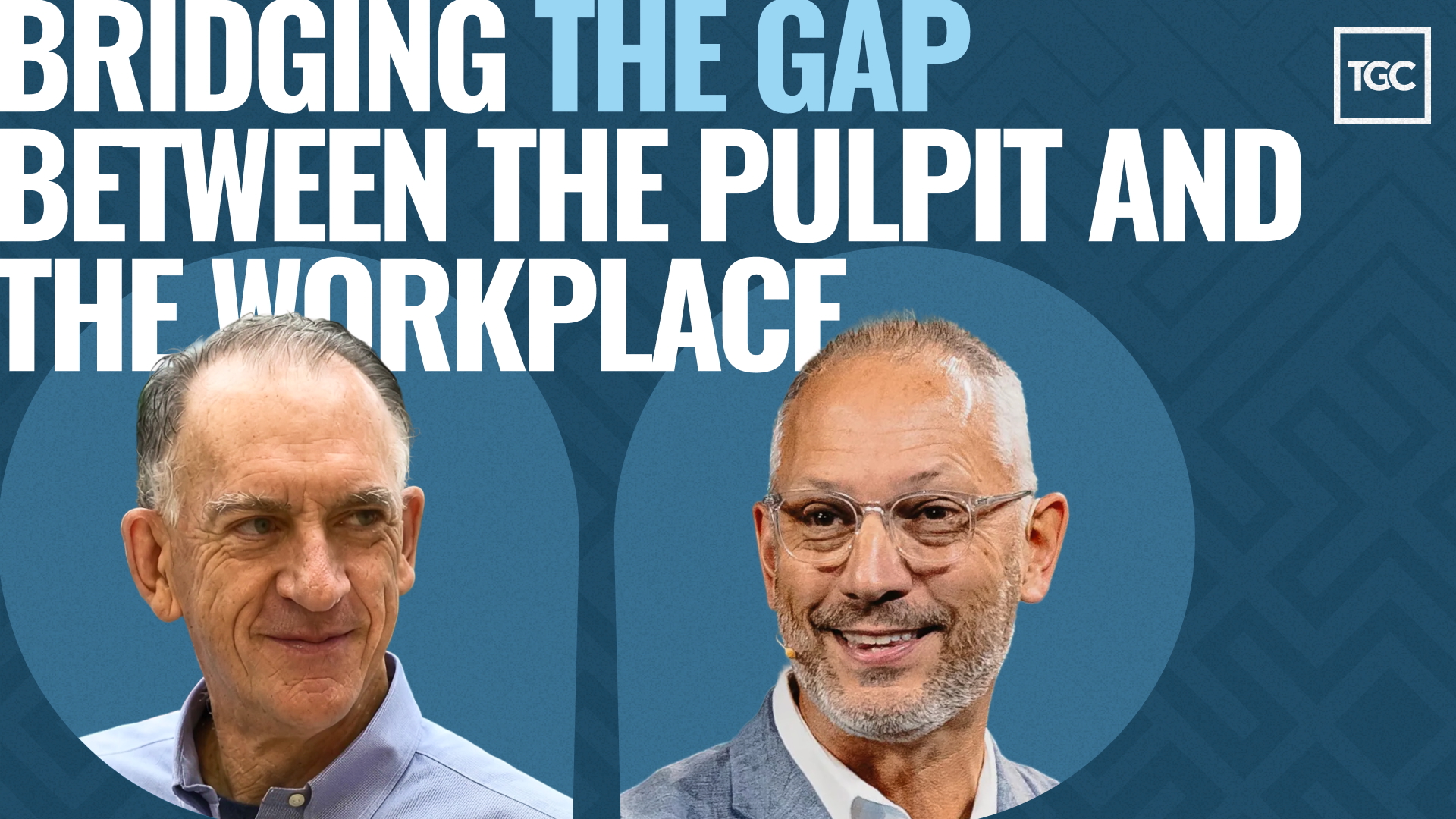
Dan Doriani and Mark Vroegop talk about how our Sunday morning worship should prepare us to love our neighbors and serve the common good Monday through Saturday.

A new report found that religious married couples—those who attend church at least twice a month—are more sexually satisfied than their secular peers.
By tending and keeping the past, Christians can equip ourselves to communicate the truth, goodness, and beauty of Jesus Christ to a confused and rootless world.
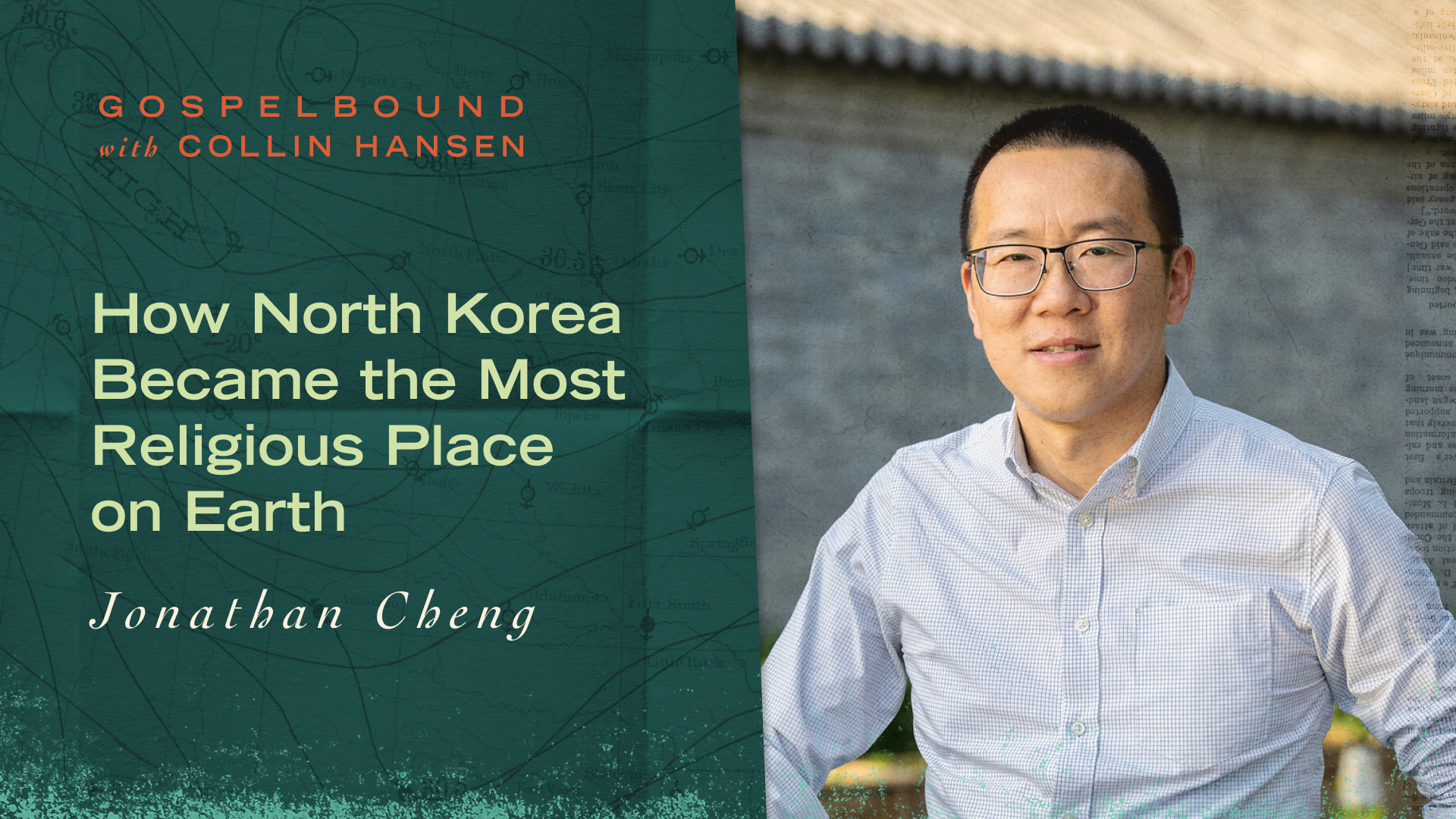
Jonathan Cheng explains to Collin Hansen how Pyongyang went from the ‘Jerusalem of the East’ to the center of North Korea’s communist Kim dynasty.
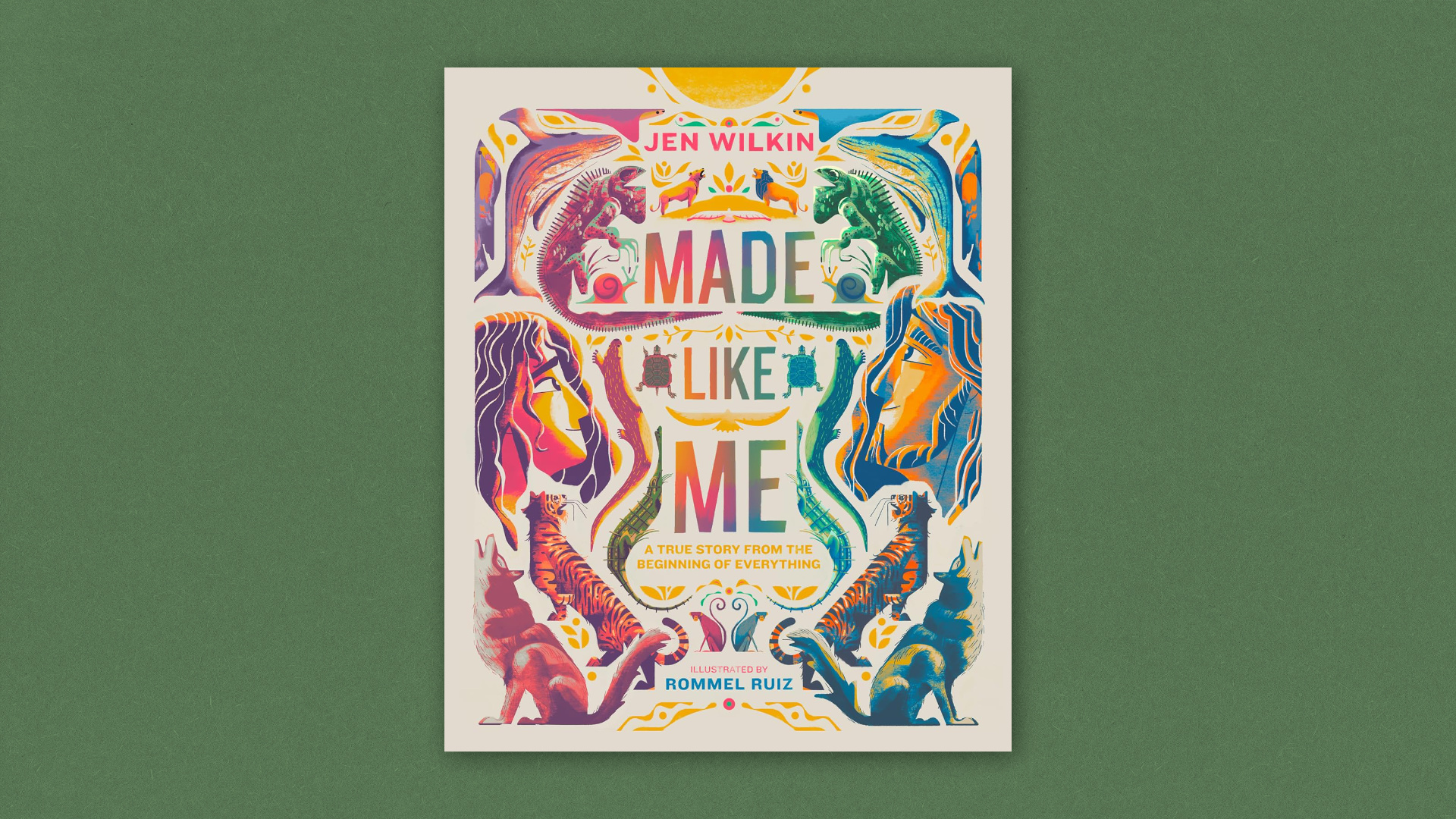
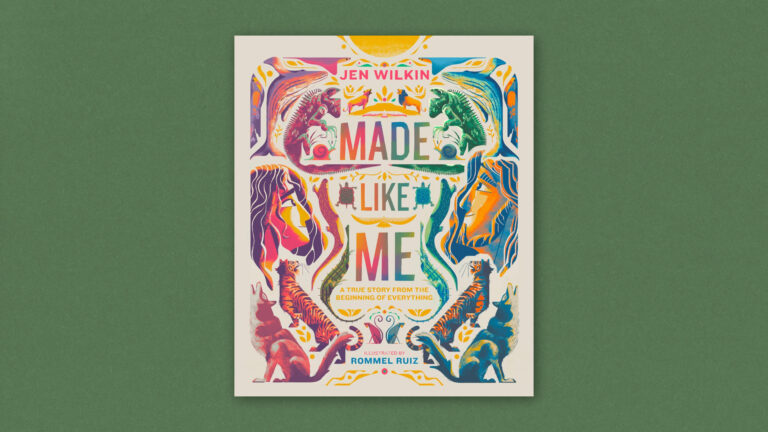
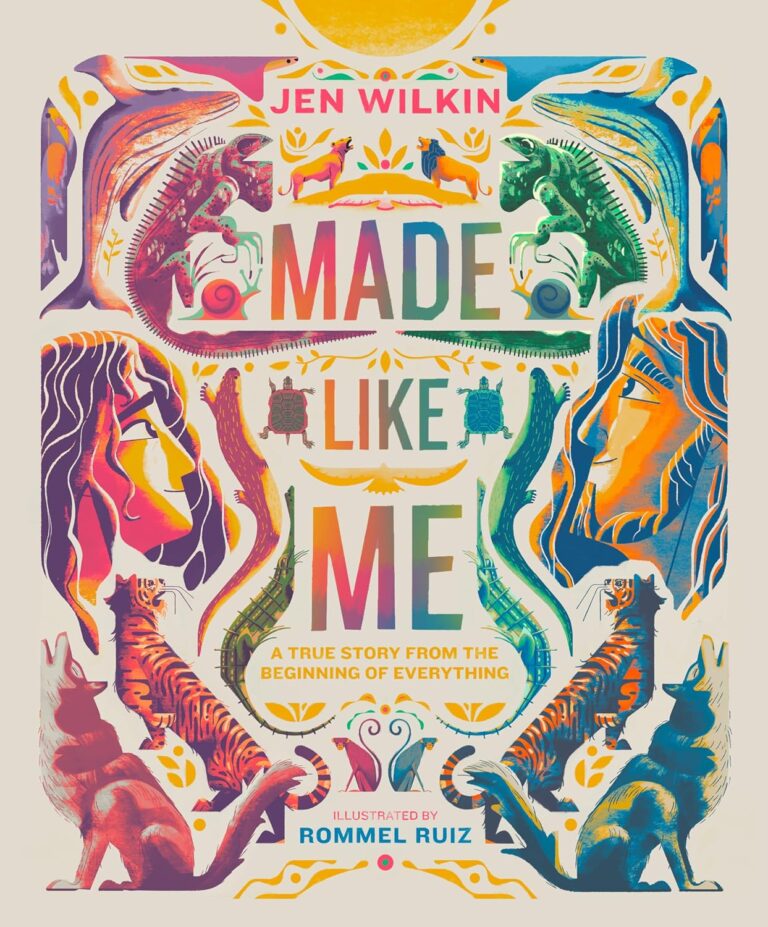
In ‘Made like Me: A True Story from the Beginning of Everything,’ Jen Wilkin helps kids understand the beautiful truth from Genesis 2 that God made us to need and help each other.

Research shows that when we’re doing and feeling good, we feel an interest in our work.
All sorts of Christians want to read the great tradition. We should remove the obstacles.