

Marriages with one or both spouses employed in ministry face unique pressures, challenges, and opportunities. Over the years, we change, our ministries change, and the pressures on us change. How can we navigate these changes in a way that draws us closer to each other instead of driving us apart?
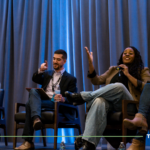
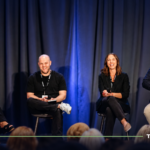
In this discussion, recorded at TGC25, Michael and Lucy Aitcheson talk with Jim and Angela Davis about their experiences of seeking to keep their marriage healthy while ministering faithfully.
In This Episode
00:00 – Introduction to ministry and marriage
04:14 – Personal journeys and backgrounds
08:52 – Challenges for pastors’ wives
18:43 – Lessons learned and redos
26:20 – Threats to healthy marriages
28:53 – Avoiding isolation and burnout
34:20 – Navigating ministry failures
37:15 – Maintaining marital oneness
43:03 – Raising children in ministry
SIGN UP for one of our newsletters to stay informed about TGC’s latest resources.
Help The Gospel Coalition renew and unify the contemporary church in the ancient gospel: Give today.
Don’t miss an episode of The Gospel Coalition Podcast:
Transcript
The following is an uncorrected transcript generated by a transcription service. Before quoting in print, please check the corresponding audio for accuracy.
Jim Davis
Welcome to this session on I guess the title is pretty pretty clear ministry and marriage. You know my name is Jim Davis. I’m the teaching pastor at Orlando Grace Church, and I’m going to introduce everybody briefly in a moment and let you tell your unique journeys. But this is this really is an exciting time. The conversation and panel for us for a number of reasons. We’re all really good friends. We get to do life together, and you’re going to hear about that. And we’re passionate about our marriages, as as good and hard as they are at times. And we’re passionate about ministry, and our ministries have looked very different. and And often it can feel like those are two mutually exclusive things, like they they work against each other. The two very things that we love so much work against each other. When we really believe that God’s desire is not only for both to be okay, but for our marriages to fuel our ministries in the highs and lows, and for our ministries to fuel our marriages, and we really believe that’s possible. We’re not here because we figured it out. We are here because we are works in progress. We all do speak together for Family Life Weekend to remember marriage conferences. And I tell our church every time we get to do that that thank you for letting us do this. While yes, Lord willing, you are investing in other marriages, you’re mainly investing in our marriage because you would have to be a sociopath to go and teach on marriage and not repent about all the things that we know we need to get better in. So I really want to come to you from that transparent and hopefully somewhat humble posture. We’re just we’re really thankful to be able to have a ministry and be married and to have other dear friends in our lives. So let me do quick introductions and then we’ll go a little bit deeper. This is my wife Angela Davis. She is a therapist in Orlando. We are both RTS grads. Mike Atchison is the planter, founder, and pastor of Christ United Fellowship Church, a multi-ethnic PCA church in downtown Orlando. Lucy, his wife, is a pediatric nurse, and both of them are SEC athletes. So that’s something that they have. I don’t. I don’t. It’s not in my DNA. But I remember. You know, one time there was a Sunday that I was I was in Orlando. I wasn’t preaching, and I told my family, “Why don’t we go to Mike’s church? You know, why don’t we go and and see what they’re doing? And all right, that sounds good. And we went, and the church is beautiful. Like they planted something different. They didn’t run the normal church playbook. It’s multiethnic. He, you know, we’re there singing songs we’ve never heard before, and part of the liturgy is him singing to the crowd and them singing back. And he’s wearing in that particular Sunday an African kind of garb, and the organ was up there. It was beautiful, and we got in the car, and I asked my my kids, “What do you think? And my my second son said, “Well, it was different, and my oldest looked back and said, “Collins, that’s because they’re Presbyterian. I’m a Baptist, and I love, I love that. That’s what they think Presbyterianism is.
Mike Aitcheson
Jim, I’m not gonna let you off the hook that easy. Come
Jim Davis
on, we
Mike Aitcheson
are good friends. When Jim and I first met, okay, we there was this amazing pastoral lunch in the downtown downtown community for him, and I thought, well, I want to meet this guy since the first press pastor is putting on this lunch for him. So we walk in, and he stands up. There’s this beautiful lunch, and he starts sharing his testimony. And he had political aspirations at one point in his life. And as he was standing there, polished with his suit on and tied, I thought, “Wow, this is a fascinating man. And so I walked up to him and said, “You would have had my vote on the hair alone, ladies and gentlemen, isn’t that a beautiful head of hair? All
Jim Davis
right, we got talked about marriage and ministry at some point. Why don’t we? Why don’t we go off that and give me, give all of us kind of because let me just so we can see who is married and and both of you are in ministry? Who is married and one of you are in ministry? Okay. Who is in ministry looking like and kind of seriously moving toward marriage? How many of you are in church ministry, church planting, Overseas ministry, college ministry. Okay, so
Angela Davis
seminary.
Jim Davis
Seminary. Yeah, that’s right.
Angela Davis
Talk to me about that.
Jim Davis
You’re in seminary. You ever have your hand up? I’ve talked to you earlier. All right. So with that, seeing there’s lots of different kinds, give us your kind of journey and different. You know what’s looked like for you.
Mike Aitcheson
Yeah. So we planted. As you heard, and the journey for us, at least investigating church planting, started my last year of seminary. Okay, and and a year before that, Lucy and I had gotten married. We both went to the University of Kentucky together, both athletes. And oh, did I hear “Go Big Blue” Yes! Wow! That country. There’s always one or two in the crowd.
Jim Davis
I think they’re just obnoxiously loud.
Mike Aitcheson
And so we long distance dated for two and a half years. Okay, I don’t recommend that unless you know you found the one. And so we got married midway through seminary, and we got pregnant, and then our youngest was born the last semester of seminary. And from there, we were having a conversation: What should we do next? Sitting down at the table, the phone rang. Literally, as we were having this conversation, we got invited to a readiness seminar, where they said we think you all should go on to go to a larger assessment to investigate church planting. You have some gifts, the characters in place. We did that, and they, long and short, said you all have been married for less than three years. So we want you to go and intern somewhere for two years, and then launch out and plant a new church.
Lucy Aitcheson
That was 10 years ago.
Jim Davis
10 years ago, so that
Mike Aitcheson
the public worship anyway. Yeah,
Lucy Aitcheson
yeah,
Mike Aitcheson
yeah. So
Lucy Aitcheson
we’re 10 years into church planting.
Jim Davis
You’ve seen all the stages of church planting because you were an established church now. Yeah,
Mike Aitcheson
yeah, and
Jim Davis
and you’ve been through seminary.
Mike Aitcheson
Yep, and we we in many ways we laugh about this. We pick the hardest route possible for every single decision because as I finished seminary and wanted to go back to school, the phone rang one afternoon, and Lucy said, “I know what I want to go back and study. So while we’re at the outset of this church plant, Lucy decides to go back to school to get her master’s in nursing, and so, yes, someone chuckled on the front row. The first six years of our marriage, one of us were in school, and yeah.
Lucy Aitcheson
So we’ve been married for 15 years. We have four children, and that’s a little bit about
Mike Aitcheson
us. Yeah.
Jim Davis
How old are you, kids? Why don’t you your girls? We
Lucy Aitcheson
have four girls. They’re 1411, nine, and six.
Jim Davis
All right, Angela, do you want to give them a little history on us?
Angela Davis
Sure. So we went about it a much different way. Jim and I met overseas on the same mission trip. For we were there for one year serving. We fell in love, got married, went back for four more years. So we were overseas for five years working in missions, and I had no idea he wanted to be a pastor. So again, like Mike said, I
Jim Davis
didn’t either. Yeah, I wasn’t like keeping it from. He
Angela Davis
had kind of political aspirations before he came to this mission organization and was really wrestling with what is God calling me to next, and we ended up coming back stateside for numerous reasons and ended up doing college ministry with Crew for about five more years, and then he felt led to a church called you and said we’d like for you to become an associate pastor, and he had already started dabbling in some seminary classes. We had one kid at the time, I think, and honestly, and I was I had found out I had cancer, and I was going through chemotherapy. We were very much homebound and stuck at home, and you started kind of taking some classes in that really slow season of life, and had fallen in love with the word and being in full time ministry in the context of a church. So that is how we entered into the church world. And you were an associate pastor for six years, and then we moved to Orlando, and you’ve been the lead teaching pastor for about seven, right? Yeah. So that’s kind of been our good summary. Yeah, we have four kids: two, three teenagers, and a 10-year-old.
Jim Davis
That’s right. All right, so I want to start by asking you, Lucy and Angela, what what is the hardest part about being married to a pastor? Lucy, you wanna?
Lucy Aitcheson
I’ll start. Yeah. So raise your hand if you’re married to a pastor, so I can see. Okay, keep your hand up if you’re married to a pastor, but you’re not employed by the church. Great. Okay, that’s really who I’m talking to as far as empathy here. That married to a pastor, you have so many expectations put on you as a pastor’s wife, but you’re not on the payroll, and no other job out there is like that. So if you look at you know an engineer or like a wealth management, someone in finances or a businessman, their wife isn’t expected to show up to you know meetings or gatherings you know for work. But so much is put on a pastor’s wife in this calling, and so that’s probably been the hardest part for me. And I know church planting-if you’re a church planter’s wife-the the stakes are even higher. There is a ton of pressure, a ton of stress put on your marriage by just having that label.
Speaker 1
That’s good.
Angela Davis
And I guess I’m answering this as well from the context of being a pastor’s wife. I know that’s not going to hit everybody, but I do believe that for me, and I also counsel a lot of pastors’ wives out there who have had the same hurt, but it’s secondary hurt when you see your husband, whether it’s someone saying unkind things or leaving the church over an issue, unreconciled hardships, and you want nothing more than to stand up for him or clear it up and and just protect, and you can really do nothing. And I have talked to so many pastors’ wives who have said I unintentionally, and this is my story too, unintentionally put a wall up with the congregation because I’ve been hurt and started to hide. I know for me, we our youngest 10-year-old is very challenging. He’s a big personality, and he has a lot of energy. So I kind of hid behind him for like five years. I would just always be looking for him in the hall. So I was like, I don’t want to get stopped by anyone because I was afraid of getting hurt. And it was the Lord who really started to work in my heart over a period of time to say, “You’re you’re safe. You can bring that wall down. You can start to venture out and and make community. So it’s been a process for me, but I really do think that hurt when your spouse is hurt is hard because you feel powerless.
Jim Davis
That’s good. Well, what would y’all say is the best part? Best part about being married to a pastor, or just being being married to somebody doing ministry.
Lucy Aitcheson
For me, the best part has really just been every week teaching. Is it 12 out of 10? You know. Hallelujah! He
Mike Aitcheson
is
Lucy Aitcheson
a great pastor, a great preacher, and I do love sitting under him. And the best part has probably been watching through a lot of hard things, but just watching both of our characters really be refined, and it’s hard to like swallow those tears because it comes through a lot of hardship. But that has probably been the best thing of just truly getting to experience Jesus as your friend, and watching Jesus become Mike’s best friend, and how he really truly can meet us in these places of of hurt, of pain, of joy, and and that your heart is settled there. That he meets you.
Jim Davis
That’s good. About you, Angela.
Angela Davis
I think it’s just being part of a community in a way that I feel so cared for. I really feel that people genuinely care about our kids. They care about our lives. They care about our marriage, that they are praying for us, and I feel those prayers, and I see that impact on on our whole life. And so, just I think we all, as believers, get to experience being a part of a community and a church. But I do think, as pastors and pastors’ wives, we experience it in a unique way. And Jim had a heart attack unexpectedly. What was that like?
Jim Davis
15 months ago.
Angela Davis
15 months ago, and talk about people showing up. I mean, they came out of the woodwork just to care for us and love on us. And now, if he even says people I
Jim Davis
didn’t even know liked me,
Angela Davis
but now if he even says he has a cold, they’re like, “Can we bring you a meal? Can we stop by? Like, you need to let us know when you’re sick. We’re there, and so just seeing people care for you and it it just means the world.
Jim Davis
And we’ve talked too about just the you have a unique like influence in terms of encouragement and critique. Yeah, in in term in in the church that nobody else has. It’s true. Nobody else can, you know, tell me I came across a little prideful there, and I can hear it, or my zipper’s down. I don’t know, like whatever encouragement or help. You have a the wives have a unique vance. Yeah, that’s true. So,
Mike Aitcheson
well, Jim, I’ll add to that. Speaking of influence, you know, early in the life of our church, and even to the. Day I would filter things through Lucy. I said, “Well, give me some feedback. How’s this sound? You know, do I am I running too long here, there? Did that illustration hit home? She said, “Well, one sermon she said you did a great job with the message, but if you are going to tell a story that’s you know five to seven minutes. Then there’s there’s no need for you to continue doing that extensive exegesis because the point has already been made. And I said, there’s no way in the world that my story went five seven minutes. And she said, yes, it did. I said, no, it didn’t. I said, she said, well, check. I said, I will. Well, I went back and checked, and I said my story did not go five to seven minutes. It went 12. The point was still brought home,
Jim Davis
and she she was being nice. She was being very nice. Yes. So there’s two ways to ask this next question. I’ll ask it both ways, but it’s getting to the same point. If you could have a redo on certain habits or things, you know, rhythms over the course of your marriage, or if you could go back and tell your 25 year old self something, what would
Speaker 2
it be?
Jim Davis
Whoever wants to go.
Lucy Aitcheson
So for me, I think of Philippians 419, and it says, “And my God will supply every need of yours. When we first got married, I was looking for Mike to meet so many of my needs, and he’s not meant for that. He’s not meant to bear and meet all my needs. There is a ministry called Paracleo that helped me basically figure this out, and so this is a group of women that meet once a month. It’s for pastors’ wives, particularly in church planting. But they they take any pastor’s wife. I
Angela Davis
did it too.
Lucy Aitcheson
And this organization really helped me figure out. Okay, well, where is my support? You know, who is the one that really is supposed to care for me? And Pericleo teaches through this tool. It’s just called the community of support, but it’s this picture of a shepherd’s staff. And so, thinking of a shepherd’s staff and holding onto that, who is caring for you? Well, three ways you can be cared for. You can be cared for by gospel mentors. Those are, you know, a pastor or a podcast or a book that you’re reading. There, through those, you know, avenues your your heart can be cared for. And then a second way you can find care and support is really through your own self, just growing in the gospel, reading your Bible, praying. So you have some you know input here too. But then the third way where you find support and care is through gospel friends, and I found this through this ministry called Paracaleo, and the these women are mat carriers. They are when when you’re in ministry and you are struggling, even sometimes feeling paralyzed, like you can’t move. These women that are around you, they’re not there to to fix your situation, to give you the best answer of how to correct it, but what they do is they just each grab a side of the mat and they just carry you through that roof into Jesus, right to His feet, to be cared for. And so, if I could have that knowledge and support, and find these gospel friends to really care for me, and and same thing to get to care for these other women at the beginning of of ministry. I feel like we would have flourished much more. And I don’t know if you have anything to say about Paracleo and how you experienced me when I
Mike Aitcheson
yeah, well I think part of it too is Pericleo helped my wife with a community of women that she could go to for safety and talk about the difficult things that we might be experiencing in our marriage, and that freedom to not have to worry about being judged or to work through different things that might be uncomfortable to bring to me at the outset. For example, and this plays into some of how I made ministry more difficult for her. So I would just dovetail and say, “This is what I would tell.” 25-year-old Mike, I would say, okay, you know, we needed a youth director, and I went to Lucy and I said, hey, I know, I know you’ve already done a lot for the church, I know we’ve been doing this almost 10 years now, but will you stand in the gap? And I promise you, I’ll find it’s just going to be interim. Well, she was willing, and then she went to her parakleal meeting, and she came back, and she said, “No. And actually, I had a praise break in the kitchen because I wanted my wife’s voice to be realized more fruitfully in our marriage. And I said, “Praise God! You just told me how you feel. You didn’t do it because you thought it would be the right thing or make me happy. I want you to feel the freedom to to do what you feel God calling you to do in our marriage as well. And so, part of that, okay, me even asking her to do that stems from the expectations that I’d placed on my wife early in our marriage, I made a colossal mistake. I see some of our attendees are in seminary, some of you are at the outset. You’re considering ministry. I made a big mistake. Let me just go on record. My wife was in the back in the nursery with our first worship service. Our first worship service when we launched publicly, and it’s just a colossal mistake to not have her up there in the front with me, and so I had set an expectation that whenever something needed to be done, I was just going to ask her, and I would expect her to stand in the gap. So Lucy was my first nursery director, my first admin, my first this, that, and the other, and then she had to be married to the Joker at the house, and so that just wasn’t fair to her. So I would tell 25-year-old Mike, and if there’s any 25-year-old Mikes in here now, I’d say, don’t do that to your wife. If she’s willing, that’s a whole entire different thing. But give her the freedom to say no at the outset, and then what you do is even create another buffer of boundary and say, actually, I’m not going to ask you to do that. I’m going to find someone else unless it’s absolutely necessary for you to do that, and you’ll set the course for healthy rhythms the rest of the journey. So that’s what I would tell, at least in part, 25-year-old Mike. That’s
Jim Davis
good. Do you have anything, Dad?
Angela Davis
Wow. I mean, 25-year-old Angela wasn’t married to Jim, and she was looking for. Would you have warned her not to be? I don’t know. I mean, I 25-year-old Angela was different than today’s. We won’t say how old Angela. You know, I was really looking for that comfort and security that financial stability can bring. Like, I wanted the big house and just living in the right neighborhood. And I think I never dreamed I would be a pastor’s wife. That was not. I mean, it was cool to be a missionary for a few years, but that’s kind of where I thought it would end, and then God really worked on my heart. He changed me. Let’s just say it. So we we all are not in this for the money. We know we are not in it for the money, and it is a financial struggle most of the time. And I don’t think I would change that now. It has enabled us to see that God shows up in the most unreal ways. I I would have missed so many of the things He could have shown me if I was like you know living with stability and a lot of money. So 25 year old Angela, I would tell her this is a journey and it’s going to have a lot of ups and downs. But what I tell myself daily now is a quote from one of all of our good friends, David Robbins. He’s the president of Crew, and he says, “If dependence is the goal, weakness is a necessity. And I have felt that so much. Just if dependence is the goal, and it is in our life, the way he refines us, he is causing us to need Him to depend on Him, there are times where we’re like, I’m not sure we can buy groceries this week, and God has put a gift card in our mailbox. We don’t know who gave it to us. We didn’t tell anybody. Just seeing how He has done that over and over and over to know He cares for us and loves us and provides for us, I wouldn’t change that. I wouldn’t change
Jim Davis
it. I think I would go back to 25-year-old Jim and want to have a talk about what headship is and is not. You know, I I can remember we were maybe a year a year married, we’re overseas, and and I just felt like her job was to follow me, and my job was to run hard. And and and you, there were other things going on, but you, our marriage was really hard. You were in depression, and I remember going to an older, wiser man with tears in my eyes, being like, “Did I marry the wrong person? And it isn’t because I don’t love her dearly. It’s like, but should she be married to some like doctor or lawyer at the time who’s just not going. To challenge her enough, and and he looked at me and he helped me to realize actually I’m the problem, not her. And and he said, Jim, there are two types of leaders. There’s the one who gets to the destination first, but alone, and the second one gets there a little bit later, but with the army. And you’re the first, and we need to make you the second. And and what I think it took me some years to understand is like in the beginning, I even felt like Angela might be holding me back in some ways. And what I later realized is no, God has perfectly given us each other to to cause us to do something together that neither of us could ever do alone, and so really understanding that God has brought us together for a reason, and the headship just doesn’t it doesn’t mean I’m necessarily in charge. It means my head is on the line. I’m I’m the responsible one. And while yes, there’s there’s aspects of supporting and submitting that we can that I don’t want to shy away from. My call as being the head is to die. We are the first to sacrifice. We’re the first to give. And I just don’t think I realized any of that early in marriage. Not that I’m you know got it all figured out now, but but but I feel like there’s I have a whole different perspective than I did Back then, all right. Next question: What do you think some of the biggest threats are in general to couples in ministry?
Mike Aitcheson
Yeah. So we somewhat alluded to this. There’s you’ve got internal expectations. Like so, I I want to go on record saying that there are expectations I’m projecting on my wife, but but then there’s the external pressure that you feel from quite honestly sometimes unreasonable voices. You know, you thinking your life has to be put together. You’ve got to be the example, and all those things are true. You can’t. You shouldn’t be leading others unless there’s maturity in your own inner space, but then there’s these voices and these machinations that are playing through your head, but then and people will communicate that to you tacitly and sometimes explicitly. They will let you know, well, why isn’t your wife doing this? Or they’ll go to your wife and say, well, can you can you just say to your husband to do this? And so, those things can be a tremendous amount of burden. And to the degree that you feel a sense of freedom to do what God has called you to do, or be who God has called you to be in your particular space, you’ll find some freedom and flourishing in that regard.
Lucy Aitcheson
of the things that I think is a threat to marriage and ministry is really our own self, our own sin, that we can often just be blind and not realize. Okay, yes, we do have blind spots. We can’t always see our sin, and just that invitation in your marriage to even if you’re doing something over and over again that is hurting your spouse, but just that awareness of your sin, and then letting the gospel explode for your own self. Just letting that cross get bigger and bigger for you to just repent and believe.
Angela Davis
I mean, I’m going to go with Lucy too. I mean, I do think it is the sin inside of us, but I’ll choose a different one. Just, I do think spiritual warfare is a real thing, and I think back to our campus ministry days and how that looked different. Whether we were on a college campus, whether we were international, there are there were different ways that impacted us. And now, as a couple in church ministry, like I see it more and more. And when we moved to Orlando, I don’t know if you want to Google it, but the amount of pastors who have fallen in Orlando for a lot of different reasons-it kind of scared me. It made me realize this is no joke. I don’t know what’s going on in Orlando, but I have the-it has spurred me to pray for him more than I ever have before. Pray for our marriage protection of our children, and I have just said over and over, accountability. Like every time he asks me, I want to be in this accountability group. I’m like, yes, yes, let’s do it. All the accountability you want, I’m for it because I think the enemy wants to take out us in full time ministry. Sure.
Jim Davis
So, what are some common mistakes? And these can be common mistakes-mistakes that we’ve made. Common mistakes you see in counseling. Common mistakes you see just out there when it comes to marriage and being married and doing ministry, and and that comes as we said in a lot of different forms. But what are some things that you see that that you would. If you had a magic wand, you know you would just like to change for all of us in terms of awareness.
Mike Aitcheson
Yeah, you know it’s, and and I’m gonna co-sign with Angela on that in Orlando. I see a lot of isolation, you know, couples struggling, and you might talk to one person, and they give you this picture, and you talk to another person, and they tell you something totally different. And I think a challenge there is to have a space where, as a couple, you can go and find safety outside of the church. Now, if the Lord provides you with a Barnabas or Barzillai. Barzillai helped David when he was in the wilderness. Fed all the men when he was in exile. If you can find a faithful friend like that in the church, that is such a gift. But find someone outside of the church, whether it’s you know a couple zip codes away or in another state, that is ready to hear and process with you and be honest with you about things. Not they’re not just gonna you know tell you that everything is right. Not gonna pick a side, but they’re also going to encourage you because sometimes the stress that’s brought on in marriage is the result of spiritual warfare. It’s a result of unmet expectations or the frustrated people and all that stuff. And you’ll need someone to tell you, “Hey, you’re doing the right thing. This is par for the course. You’re getting resistance. So, finding a way to move out of isolation and into community with with other couples that can encourage you and correct you when necessary.
Speaker 2
I
Angela Davis
would say that’s so good. I and I’ll talk about a little bit more about our work with an organization that we minister to people in churches on full-time staff with mission organizations. And I, when I see couples and and pastors’ wives too, often the main thing that they say is they’re hurt and they’re isolated. They don’t feel like they have anybody else to talk to. That’s usually why they’re talking to me, because they have isolated themselves. They have put those walls up. They’re trying to. They’re burnt out and they don’t have the energy to connect. And so I agree with you, Mike. Like you have to move towards community and accountability, and having people who can speak into your life, and then I just want to add: I think prioritizing each other-that’s a huge mistake that I think we can make. Is there’s so many needs in ministry, and we can often feel like God needs us to meet all of them, and we will run so hard until we burn ourselves out, and we’ve lost each other in the midst of it, and then kids come along and they only complicate that. And so, just what we have done to try to prioritize each other in different seasons of life. I know when we had the little bitties, that was when he came home. I was at home full time with them for a while, but when he came home, that’s when they got to like watch their show, so we could like pull away and talk. When they got a little bit older, we were like, “Hey, there’s a little freedom here. Let’s walk around the block and have a conversation. That was crazy. We’d come back and check on them like every every you know couple minutes, but we just got to have that conversation. Now they’re all in school, so we can have the amazing lunch date. But we have tried to just really prioritize each other because there are always going to be needs, but this has to be really strong to succeed.
Jim Davis
Yeah, and connect to that. I remember one. I mean, in ministry, there there there are all these needs screaming at you, and some of them feel urgent. Some of them feel very attractive, and I remember you once telling me, Jim. Every time you say yes to something, you’re saying whether you know it or not. No to something else, and that no is often
Angela Davis
us.
Jim Davis
And that that was revolutionary for me.
Mike Aitcheson
Yeah.
Jim Davis
All right. So no one you mentioned the unique number of pastoral falls and shipwrecked fates in Orlando. That’s not unique to Orlando, but it feels extra strong in Orlando. What are some common steps along that path, and/or how do we find a healthier path?
Mike Aitcheson
Yeah. So, so common steps along that path. So, negatively speaking, right? Yeah. Well, here there’s and this is actually Jim and I actually are a group together, so we we we get a chance to talk to older pastors as well and ask them, well, what what went wrong? And I think sometimes we equate. the success of our ministry with the health of our relationship with God. And someone famously said, “If your job, if if your faith is your job, if you’re not careful, you’ll lose one.” And very often we find ourselves working for God, and thinking that if things are going well, then that must mean that I’m okay with God. We’ve gotten up, we’ve preached, we’ve counseled people, we’ve evangelized. You fill in the blank. How many people? And then we finally realize I haven’t spent not an iota of time thanking God, talking to Him, just cherishing God, delighting in who He is. Okay, and then look on the flip side of that: when things are negative in ministry, we say it must be that things are off with me and God. God must not love me. God must not care about me. God must not see the struggle that I’m going through. So we have to figure out how to decouple our work of ministry from our relationship with God. So not just working for Him, but doing life with God, cherishing the One about whom you are sent on commission. So people slack on their devotional life. People slack on their their marriage life. They don’t get help. They wait till it’s too late. You see this all the time. That’s a train that has left the station, and then all of a sudden you’re in perpetual triage mode, and then you hide, and you’re ashamed, and you’re embarrassed to get help because if I have to go get help, then that means that I shouldn’t be doing this, and then the whole thing is going to fall apart. And then at at the worst end, there’s just sadly sometimes duplicitous character. You know, people. If you’re not careful, you find yourself compartmentalizing, and you’re this way before the public, and then you’re this way in private. There’s a lack of integration, Angela, in one’s life. Those are three of the big guns I’ve been saying.
Jim Davis
That’s good. So you you covered exactly what I asked, and you you talked about faith and marriage. I want to pull on the string of since we’re here. I want to ask you two to pull on that string of marriage specifically, and what habits have you seen contribute to the downfall of ministry in marriage, and what healthy things have been beneficial? You know, maybe even in your own marriages along the way.
Lucy Aitcheson
Well, I was going to say that, you know, if you’re not careful, I mean, slowly over time, you can very easily drift apart from your husband without even realizing it, and we were probably about eight years into marriage, where you know he had finished his seminary degree. I went and back and got my master’s degree. At this point, in all that, we had had three children, and we were a couple years into planting a church. And I will never forget this night. We were getting ready for bed, and we had been arguing, and we looked at each other, and I was like, “Who are you? I don’t even know that you’re a friend. Like, I’m not sure what I can even say that I enjoy about you, and that’s because for years we just did not do anything to like tend to our marriage. We did so much of pouring out and giving, and you know trying to build this church, and you know getting our degrees and caring for our kids, and all of a sudden, we found that like we were so far away from each other,
Mike Aitcheson
and that that was probably the thing about which we agreed the most that night. Yeah,
Lucy Aitcheson
so sad.
Mike Aitcheson
How difficult it was to be in each other’s company, and and that was a that was a major wake up call for us because we had been friends our entire college experience. I’ve known Lucy more years now than the age I was when we first met. So I’ve lived with no one longer. No one has known me longer than her, and so for our friendship and just that sweet bond we had to be severed and to just hit a moment of dissolution, right there, was a major wake-up call.
Lucy Aitcheson
Yeah. So, I mean, some of the steps that we took were, I mean, counseling. We did so many hours of counseling of on our own together.
Mike Aitcheson
Pull friends into the conversation.
Lucy Aitcheson
Yeah, I mean, friendship was huge. Gospel friends, guys. Gospel friends that probably aren’t inside your church, you know. And but getting people to really encourage you, walk with you, know all the good and all the bad, and still love you and be willing to. Keep walking with you, and encouraging you to find that oneness that you can find again and thrive in marriage and in ministry.
Angela Davis
Yeah, I would just really quickly say we found ourselves in the same place probably about a year ago, and I would say that we have had to learn to love new versions of ourselves over the last 20 years. I mean, you are not going to stay the same people you were when you got married. And as these huge things have landed in our life, and so the most recent one being his heart attack, it changed him. Heart attacks have a way of changing you emotionally, and I had to learn to love Jim in a new way. But before I could do that, I got really frustrated, and we kind of had drifted apart as a couple. And I finally was like, “We’ve we’ve got to do something about it, and we did. We went into counseling, and it was so beneficial. And so I just say never, never not seek help. I mean, just do whatever it takes for you to reconcile with each other, and don’t expect you know your spouse to be the same one that you married. If you’re always trying to get back to who they were, you’re going to be disappointed. How do you learn to love who they are now?
Jim Davis
Yeah, go ahead, Mike.
Mike Aitcheson
I have to say this because it’s so important. Repentance,
Angela Davis
yeah.
Mike Aitcheson
Repentance that’s commensurate with your transgression. Okay, if you sin in front of the kids, if you sin against your spouse, repent in front of the kids. If they’ve already gone to bed, invite everyone back in the kitchen as fast as you can the next morning, and say, “Listen, Dad failed. Listen, Mom failed. Okay, just on Sunday we had a quick little incident, a quick phone call, a Lyman phone call. Got back to the house. Things weren’t executed the way I wanted it to, and I was frustrated. And someone was watching right behind us, and I was kind of trying to kind of argue under my breath. And why was I trying to do it under my breath? Because I knew better than to be doing it in the first place. I could have just left it alone. So what did I do? I apologized right then and there in front of Lucy. I went on record, okay, and then I apologize later again, and I actually apologized today, earlier today, or yesterday in front of Angela, saying I dropped the ball on Sunday. And what I need to do when I get back to Orlando is call my friend who saw her little scuffle and say, “Hey, that’s not how it’s supposed to be. And I want you to know I apologize to you, and I’m already apologized to my wife.
Jim Davis
That’s good. Well, we have about two and a half minutes left. Angela, why don’t you pull on that thread a little bit, and I’m going to point to you. Just add the kids to the mix, like like being a mom married to a pastor with kids. What are some of the the things that you think through and juggle on that front?
Angela Davis
Man, and I think that depends on ages and stages of your kids, but for me, since becoming a pastor’s wife, I’ve really tried to think through the lens of how do I not make them feel like they’re in a glass bowl, and so I’ve tried to find ways that they can have their own agency. And I know that looks different for different people, but for me personally, it has been where we sit. That’s just kind of been the thing that I have let them have agency over. I I don’t really personally care where we sit as long as we sit together as a family. And so having teenagers that looks different. They have sort of drifted towards the back, but I don’t want them to ever feel like, hey, you know, everybody’s watching you. You have to be perfect. I want to let them have a voice and kind of are worshiping together as a family. And yeah,
Jim Davis
yeah, and I think we’ve wanted to show them, like we want to shield, we we want to show them the blessings of the church and the way the church blesses us. And while there are hard things that sometimes we need to let them into, we see all the hard things that nobody else, nobody else in the church really. I mean, hardly sees all the hard things, and we don’t want our kids to have to sit in that position with us. We want them to see the kinds of hard things that the whole church sees, but we want to shield them from other things and really show them all the ways that the churches are blessing us. Because our hope, and the verdict’s still out. Three teenagers and a 10-year-old. The hope is that they will leave our our house at least having a value for, if not loving the church, and certainly not resenting the church because of anything that’s done in our family. So, 30 seconds left. I just want you to hear all of us say about we’re 20 years. Are you 20 years? 21 year? How
Mike Aitcheson
many? Getting close.
Jim Davis
16. 1616. Okay. All of us are here to say that we are very thankful to be in ministry and married. It’s not easy, but we’re just incredibly grateful. The Lord would give. Us this this this sweet blessing, and and our prayer is that all of you would, if you don’t feel that right now, that you would, and yeah, with go. Our time is officially up, so I’m going to end it there. Mike, could I ask you to pray pray a quick blessing over them, and we’ll call it with that.
Mike Aitcheson
All right, Father, we thank you for the gift of being able to spend time with all who are here present with us today, Lord, we pray that you would bless them in their marriages. Lord, we pray that you would strengthen them in their oneness. We pray that it would be grounded in each one of them loving you first, delighting in you. Would it overflow to each other, and then God would they minister from that overflow of Your love? Would You prosper their souls, prosper the labor of their hands, their ministry, and their homes for the glory of Your name and the advancement of Your church? In Jesus’ name, we pray.
Free Playlist by TGC: ‘The Power to Persevere’
Looking for a playlist of fresh, inspiring Christian music to encourage you in your faith? Check out TGC’s new “Power to Persevere” playlist, created to accompany the upcoming TGC27 Conference.
The 75 songs on the FREE playlist, curated by TGC arts and culture editor Brett McCracken, represent a variety of styles but are united by themes of steadfast faith, God’s sovereignty, and the hope of heaven. Start listening today! Simply click below and you’ll receive a link to the unlisted playlist on Spotify or Apple Music.
Michael Aitcheson (MDiv, Reformed Theological Seminary) is senior pastor and planter of Christ United Fellowship (PCA) and a Council member for The Gospel Coalition. He is cohost of the As in Heaven podcast. He and his wife, Lucy, are retreat speakers for Family Life’s Weekend to Remember. They live in Orlando, Florida, with their four daughters.
Lucy Aitcheson is a nurse practitioner at Middleton Pediatrics in Orlando, Florida. Through the organization Parakaleo, she serves women whose spouses are in various ministry roles. Lucy’s husband, Michael, pastors their local church, and their ministry together includes church planting and speaking at Family Life Weekend to Remember retreats. They have four daughters.
Jim Davis (MDiv, Reformed Theological Seminary) is teaching pastor at Orlando Grace Church (Acts 29), and a Council member of The Gospel Coalition. He is the host of the As in Heaven podcast and coauthor with Michael Graham of The Great Dechurching: Who’s Leaving, Why Are They Going, and What Will It Take to Bring Them Back? He and his wife, Angela, speak for Family Life’s Weekend to Remember marriage getaways. They have four kids. You can follow him on X.
Angela Davis is a counseling student at Reformed Theological Seminary in Orlando. Her husband, Jim, is the teaching pastor at Orlando Grace Church and host of the As in Heaven podcast. Angela and Jim have four children and they speak for FamilyLife at their Weekend to Remember getaways.