




How do we move forward when everything around us is crumbling? How do we hold on to hope?
Drawing from her experience of losing an infant son, losing her marriage, and being diagnosed with a debilitating disease, Vaneetha Rendall Risner shares questions she asked God in suffering, the beautiful ways God answered her, and the three anchors that have given her hope and grounded her faith.
This talk was recorded at TGCW24.
In This Episode
00:00 – Introduction
01:54 – Early life and health challenges
04:02 – Discovering faith
08:16 – Grief and reconnection with God
10:08 – Divorce and aftermath
13:26 – The presence of God in suffering
25:52 – Experiencing God’s presence
31:05 – The purpose of suffering
40:50 – The promise of heaven
43:02 – Conclusion and final thoughts
SIGN UP for one of our newsletters to stay informed about TGC’s latest resources.
Help The Gospel Coalition renew and unify the contemporary church in the ancient gospel: Give today.
Don’t miss an episode of The Gospel Coalition Podcast:
Transcript
The following is an uncorrected transcript generated by a transcription service. Before quoting in print, please check the corresponding audio for accuracy.
Vaneetha Rendall Risner
I was seven years old when I decided that life wasn’t fair, that I couldn’t trust anyone, and that God was not good. You see, when I was seven, a group of boys threw stones at me when they saw me walking alone, they laughed as they imitated the way that I walked, and they screamed out, you’re a cripple. Then one of the boys knocked me down and they ran away. I crawled over to a nearby rock, pulled myself up and walked the short distance home. I didn’t tell anyone what happened that day. I was too embarrassed, but that day, I decided that I couldn’t trust anyone to protect me, especially God, maybe today you feel that way too. I felt that way for a long time, that I couldn’t trust God, even after I met Jesus, because I thought knowing Jesus would protect me from tragedy, and it didn’t. And yet in my deepest pain, God met me. I felt His love and His presence in ways that I hadn’t before, which is why I write and speak about suffering, because I want others to experience that too, and my prayer is that you will meet God in your suffering and discover that he is faithful. Today, I’m going to tell you a little bit of my story, and then talk about three anchors that I cling to when life falls apart. These anchors have grounded my faith. But I’m going to start with my story. So I was born in India to Christian parents, and when I was three months old, I contracted polio. Now the doctors had not seen polio. The vaccine had been developed years earlier, and so the doctor thought I had typhoid, and she gave me cortisone, which lowered my 105 degree fever. But within a few days, I was a quadriplegic. And then the doctor said, We think she had polio, but it was too late, so they told my parents to leave India, which we did. So I had my first we moved to England, where I had my first surgery, and then we moved to Canada, where I started having operations. I had 21 operations by the time I was 13, and I did learn to walk though and led a pretty normal life, which is amazing as I look back on it, but as a child, I didn’t think that was amazing. I thought my life was so much harder than everybody else’s. I was bullied. I lived in and out of the hospital, and people would talk to me saying, God is good, and I would say, God is not good. God has not done anything for me, and I was pretty angry. So when I got but when I got to high school, I got involved in FCA Fellowship of Christian Athletes. Now I tell people it wasn’t because I was athlete or a Christian. I just wanted to fellowship with the athletes, which I did a friend, and I would sit in the back and talk about boys, because we did not take the god stuff too seriously. But then one day, she went away on a retreat, and she came back and said, God is real. And I remember thinking, Oh no, she’s going to want to talk about God. And she did. That’s all she wanted to talk about. So one night, I just went home and I said, God, if you are real, please show me. I didn’t think anything of it. And then the next day, got up, picked up a Bible I had never read before, but we had one in our house, and I just said, God, show me. And I flipped open to the Bible, opened the Bible, and I wouldn’t recommend this, but I flipped open to Leviticus, and I started reading about skin boils, hair and skin boils. And I was like, This is what I think about the Bible. And then I just said, Why, if You’re real, why did this happen? And I flipped to John nine. It’s passage where the disciples pass a man who was blind from birth. And they asked Jesus, who sinned this man or his parents that he was born blind that had my attention? I was thinking, okay, that’s my question. Like, who did something that this happened to me? And Jesus says it was not that this man sinned or his parents that. Was born blind, it was that the work of God would be displayed in his life. I was pretty stunned. God was answering the question that I had asked the disciples asked, which is, why? But God was answering me a very different way. Why not? Whose fault was it, but why? What was the purpose? And the purpose of my suffering was to bring glory to God. Now I didn’t even know what that meant, but I knew God was talking to me, and I knelt down by the side of my bed and committed my life to a god, I did not know, but I was certain knew me. And so then I thought, Okay, I’m going to start living my best life now. And for a while, I did. I went away to college, I went to grad school, I met and married a classmate. We had a daughter named Katie. Life was going great until it wasn’t. I had four miscarriages. Then when Katie was a few years old, I was pregnant, 20 weeks pregnant, went in for a routine ultrasound and found out my unborn son, Paul had a heart problem and he needed surgery at birth or he would die. So we had surgery, and he was doing so well, and I felt like, wow, God had brought us through this, and he did. Paul was an adorable little baby, currently, dark hair, loved being held and was doing so well. So we took him to the doctor for, like, his two month checkup, and his regular cardiologist wasn’t there, so they had a substitute, and the substitute looked at Paul and said, oh my, you are doing so well, like he was really high on the growth chart, and he said he doesn’t need all this medicine. And we were getting up in the middle of the night, still giving him medicine, and this doctor said he doesn’t need this anymore, so he didn’t fill the prescription. Said, you don’t need to do this. And we were thrilled. But then two days later, Paul screamed in the middle of the night and went limp. Dave went with him. We called 911, and Dave went with him to the hospital, and I was home, and I got on my knees and I begged God. I begged God like I had never begged for anything. Just please, please save Paul. And I had this sense that God was really going to do it. I mean, I spent all this time I was just like, God is going to answer this. I’ve been faithful. I teach Bible study. So I got up and a friend came. Somebody stayed with Katie, and I went to the hospital. And when I got there, I wanted to see Paul, and they said, I’m sorry, your son is dead. And I felt like I had been kicked in the stomach. I just wondered, How did God let that happen? Then when we got home, I felt carried by God and Dave and I got up at Paul’s funeral, and we said, God never makes a mistake, and I really believed that. But when weeks later, I wanted to pull every one of those words back, because it felt like God had made a mistake and God had abandoned me, and my Bible lay unopened on the table. I didn’t want to draw near to the God that I knew could have changed it, but didn’t. So I pulled so far away from God, and then one day, I was in the car, and I was so depressed, like pulling away from God had done nothing for me, but made me feel more depressed. So I just cried out in the car, God help me. I need you. And the presence of God filled my car in a way that I can’t even explain, but I knew God was with me, and that God would never leave me, and it was just this amazing moment. But then when I got home, I knew God was with me, but I was still discouraged, and I discovered the grace of lament, which is just crying out to God in our pain, it’s being honest with God, and just screaming in our grief, but trusting in God’s goodness, and that really helped me get through that time. Well, a year after Paul died, I had a little girl named Christy, and then four years later, I was diagnosed with post polio syndrome. Now most of you probably don’t know what that is. I had no idea what it was, but it’s a deteriorating condition that is characterized by escalating pain and weakness, and it happens about 30 to 40 years after you initially get polio. And basically they say, the more you do, the weaker you get. And that my strength and energy was like money in a bank, and that everything I did was making a withdrawal, but I couldn’t make any deposits. So the doctor said you need to stop everything, stop doing everything you’re doing, and concentrate on self care. And at that point, like I had been an artist. All through my young years, I was selling jewelry in a local jewelry store. I was I love to cook, and they just said, Stop everything. And I had two young daughters then, and I said, Well, what happens if I don’t do that? And they said, then in 10 years, someone will be feeding you. I thought I like food a lot. I don’t want somebody to be feeding me in 10 years. But I did give up some things, like a trooper, just so, you know, I gave up vacuuming, loading the dishwasher, the laundry. I was like, the Lord has called me to this. I don’t need to do it again. So that was a really, really wonderful part, but there was a lot of really, really hard parts, and just seeing my identity and my life start changing a little bit, and like the diagnosis of that reality, the reality of that diagnosis is just setting in more and more, because at that point, I could do everything I wanted to do, but as most of you noticed, I used a wheelchair. I walked on stage, but I use a wheelchair much more than I walk, and my arms are really, really weak, and so I’m just kind of still dealing with that. But at that time, it was just figuring out, how do I live this different life? And then, but six years after that diagnosis, my husband, Dave came home and told me he was leaving for someone else, and then he told me he was in love with them and was leaving. And I was shocked and shattered to me, the unthinkable had happened. He soon moved out of state, and I was left to raise two adolescent daughters, ages 10 and 13, who were both very angry, and I was angry, and anger was spilling out all over our house. If you want to know exactly how angry I was, you can read it in my memoir, like when I threw a full glass of ice water on my 10 year old daughter. So I was no saint as I went through all that, as you can see, but God met me in those times. But I would say it was the hardest thing I went through in a lot of ways, because I was alone. I questioned my identity. My body was failing, my kids were rebelling, my husband was blaming me. I felt that I had no place in the church. I remember I screamed at my pastor in his house and screamed in my bed every night, God, why do you hate me? Because I felt that God hated me, but through angry tears, God met me. I just remember screaming at God at night and getting up in the morning and opening the Bible and realizing I have nowhere else to go. This is all I have. And God met me every morning, and that forged the deepest part of my faith. Like when you have nothing else but God, you recognize that God is all you need. And I could have said that to people before all of my suffering. Like people say God’s all you need, but when you really have nothing and you realize that God is all you need, it changes everything. Well, Dave and I eventually divorced, and I remarried an amazing man named Joel. Well, that’s my story, and I don’t know what you think. I’m guessing some of you are thinking, I’m pretty glad I’m not her, and I get that. But God transformed me through my pain. And I would echo the words of my friend Johnny Eric santada, who is a quadriplegic, who was injured in a diving accident, and she says I wouldn’t trade places with anyone to be this close to Jesus. And I would echo that I would not trade places with anyone to be this close to Jesus? I wonder where you are today. Maybe you’re reeling from a crisis in your life. Maybe you got here just finding out something pretty devastating. Or maybe you’re here to help someone else. Maybe somebody in your life is going through something really hard, but I know everyone here has their own story of loss. It doesn’t have to be a huge life altering loss. It could be the sadness of a broken relationship or the frustration of a dead end job. Or the disappointment that life is not turning out the way you expected could be unwanted, singleness, a difficult marriage, health struggles, infertility, I call these the griefs that don’t wear black. Nobody brings you a meal for them. You don’t put those on the prayer chain, but those are really hard too, and they keep us up at night. So the principles that I’m going to talk about today, they apply to all of those types of suffering. So as I talk about these three anchors that I cling to in my suffering, they’ve changed my experience of suffering. And it’s funny, I wouldn’t have been able to articulate them as three anchors till I wrote this Bible study and I realized, oh, wow, I need to be able to communicate to people what I learned. And I recognize there are three things that I cling to that have changed the way I experience suffering, and they’re important for everyone, because what you think about God and what he’s doing in your suffering is critical. You are the most important person in your life, and what you’re telling yourself about your suffering will shape your experience of it. So these three anchor anchors that I cling to are one you have the presence of God. God is with you in your suffering. The second one is your suffering has purpose. The third one is we have the promise of heaven. Now I’m going to spend the vast majority of my time on the first one presence, because for the other two to make sense and have meaning, we need to know that God loves us and that God is with us. Now most of us here intellectually know that God is with us. The most repeated promise in the Bible is I am with you. But have you ever felt God’s presence? Do you feel loved by God? Now I can assure you, if you know Jesus, you are loved by God. God is crazy about you, but our faith is shaped by whether those are just words we know or a reality we’ve experienced. Now Ephesians and in Ephesians, 318, to 19, Paul prays that the Ephesians would have the strength to comprehend the enormity of Christ’s love. It’s so big that we need strength to understand it. And then Paul prays that they would know Christ’s love that surpasses knowledge. Well, how do you know something that surpasses knowledge? Well, the Greek word for know is to know from experience, not to know academically. So we know from experience. We know God loves us when we tie it to our everyday life, when we see evidence of God’s love in our life. Now, many people think evidence of God’s love is a successful life when all of our dreams come true, maybe a great marriage and amazing kids, a beautiful home, when we’re physically fit, that feels like God loves those people. So when our world is turned upside down and we lose something precious. We wonder, Does God love me? Is God for me? Maybe the deeper question is, if God loves me, why did this happen? If God loves me, why did this happen, and often we feel like the only way God really shows us his love and care is in answering our prayers, just as we ask them. We think Seeing is believing. If you fix this, we’ll believe if God rescues us, we believe, but if he doesn’t, we think he doesn’t care. Well the children of Israel were like that. They were the Lord delivered them out of slavery in Egypt, and they were so happy that God did they had they came out with gold, and they were guided with a pillar of fire and cloud. They knew that God was with them, but then Pharaoh pursued them, and they said, they turned around and said to Moses, like, right? Why, when they were by the Red Sea, they said to Moses and basically to God, is it because there are no graves in Egypt that you have taken us and. Way to die in the wilderness. So God had just rescued them, and they didn’t trust him anymore. They accused him of not caring. So then, right now, Pharaoh’s pursuing him, and God parts the Red Sea through Moses. And so that’s amazing. And you see, they saw God’s power. They celebrated. They wrote songs about his faithfulness. But then long, not long afterwards, they were in the wilderness, and they were hungry, and they say to God and to Moses, you brought us into the wilderness to make this whole assembly die of hunger. So once again, we say, deliver. We see deliverance does not equal trust. Once again, they accused God of not caring. They thought God loved them, until the next miracle. So now God’s past deliverance, it showed them His power and His ability to change things, but it did not convince them that God loved them. What showed them God loved them and cared about them were their years in the wilderness where he fed them manna daily when their shoes never wore out, when they experienced small miracles every day, and they learned to depend on God for everything. It’s the same way with us. God takes us into the wilderness to show us his love. He’ll sustain us there. He’ll feed us. He’ll provide for us. He’ll draw close to us. And I call this God’s sustaining grace. Now I don’t want to downplay the beauty of deliverance, where God answers our prayers the way we ask them. That’s a wonderful, amazing thing, and God does that, and we need to remind ourselves, keep repeating to ourselves and to others what God has done, just as the children of Israel did, because that reminds us that God can do anything, and nothing is too hard for him. But if God says Wait, or if God says, No, we can rest in God’s sustaining grace when we are sustained and not delivered, it is an invitation to know God better and discover The depths of God’s love. God draws nearer in suffering, I think, and he gives us treasures that we can’t find anywhere else. The greater the pain, the tighter God’s embrace. And when you’ve experienced that, you can say God’s presence in trouble is better than the absence of trouble. God’s presence in trouble is better than the absence of trouble. In Deuteronomy, one Moses reminded the people that God had not stopped caring for them, and he said, The Lord your God, who goes before you will himself fight for you, just as he did for you in Egypt before your eyes when God delivered them. And then he says, and in the wilderness where you have seen how the Lord, your God carried you, as a man carries his son all the way that you went until you came to this place. God fought for the Israelites when he delivered them out of Egypt. But God carried them in the barren desert. He was with them. It’s the same with us. God carries us through the wilderness. Well, when you know that God is with you, you don’t need to be afraid. But in suffering, our first reaction is often fear, like what is going to happen? And we often wonder, what if the worst happens in our life? Well, God knows it’s natural for us to be afraid of the future, and so the most, and I love the fact that the most repeated command in the Bible is, Do not be afraid. And I don’t see that as a command like a hammer, like don’t be afraid. It’s just a tender invitation to trust God, because together with the most repeated promise, we find, do not fear for I am with you, and you see that all through Scripture, do not fear for I am with you. That is. The reason we shouldn’t be afraid is because we have God’s presence. Now, when I fear, when I’m afraid, like I get up on stage, I am I remind myself of God’s promises. I love Psalm 23, four, just when I walk through the valley of the shadow of death, I will fear no evil, for You are with me. I also love Isaiah, 4110 or Psalm 46 one through two. I would encourage everyone here to have a verse or several verses that you can say and pray when you’re afraid. So now I’ve talked a lot about God’s presence, you might say, like, so how do I experience this presence? Like you’ve talked a lot about having it, but how do you how do you feel it? And I would say that there’s three ways. The first way it’s is talking to God. The talking to God is praying, asking God everything. But I’d say it’s talking to God real. Your prayers should not sound like the King James Bible, and if they do, maybe you’re not really connecting with God. We want to talk to God like we’re talking to a friend, like talk to him all day long. Everything you see, everything you wonder, rather than keeping that in talk to God about it and lament. And I touched on lament before, but lament is really telling everything God, everything that’s on your heart without editing it. It’s not saying, Oh, can I say this to God? It’s just saying it because lament really saved my faith. And lament is not grumbling. A lot of people say, Oh, I don’t, I don’t. I can’t do that. I can’t talk to God that way. I just need to praise God all the time. I don’t want to grumble. But grumbling is talking about God. Lament is talking to God. So if you’re talking to God about how you feel, God wants to hear it. And the psalmists job Jeremiah, they model that for us. So if you want to know what you can say to God, open the Psalms. Psalm 13, so many lamentations. Three might be the harshest words anybody has said to God in the Bible. And you say this, see this amazing turn when Jeremiah dares to say those things. So be real with God. The second thing we do to experience God’s presence and love and know His presence is listening to God. So how do we listen? Often? We just need to be quiet. God is always talking to us, but are we listening often? I will just get up in the morning and I will have a few minutes of silence, and I’ll say, speak, Lord Your servant is listening, which is First Samuel three nine speak Lord Your service is listening, and just wait. But the clearest way we can listen to God is through the Bible, because those are the very words of God, and we start to recognize God’s voice, some words that I often pray when I’m struggling, which I started when Dave left me and I didn’t know where to put my hope or my heart, and the Bible felt dry sometimes, and I would Pray Psalm 119, 25, my soul clings to the dust revive me according to your word, and God did. But don’t give up. If the Bible feels dry, trust that God will meet you, even if it feels like eating cardboard, because he can turn that cardboard into a life giving meal, because not every time you open the Bible is it going to be memorable, just like your favorite meal you ever ate is just as nourishing as that peanut butter sandwich like your body needs it. So you don’t have to have these mountaintop experiences. Because if you think you that’s all you do with God, you’re going to be disappointed. But I would say, on the other hand, don’t read just saying, Okay, I’ve got to check off the box. That’s the worst way to read, because if you’re trying to check off a box, you’re not expecting God to meet you. So read with expectation, like open the Bible and say, God, I need you. I need you to meet me. And that is the way that God started showing up for me, because I started looking for God to show up. It wasn’t that God wasn’t there before, but I wasn’t looking and I wasn’t reading, thinking God was talking to me. So believe that God has something to show you when you read Scripture. I. Yeah, and the last way that I feel like I experience God’s love and care is just by paying attention to how God is loving me. And I think it’s more like believing is seeing. When we believe God loves us, we see all the ways that God is loving us, and often, we can ask God in the moment, show me open my eyes, help me see what you are doing. But it may be just an unexpected phone call from a friend. It may be the line in a sermon or a talk that you hear a song on the radio, a verse that you read, there’s so many ways that God is talking to us and showing us that He loves us. And as you lean into God and you talk to him and believe that you are loved, the dots of your theology will start connecting what you know about God, the things that you have been taught, maybe in Sunday school or Bible study, they will become a reality in suffering. The more you walk with Jesus, the more you will discover that the with God, life is spectacular, and suffering heightens our awareness of God more than anything else, there’s an intimacy with God you find in suffering that you won’t find anywhere else. Suffering is not a sign that God has abandoned you or that he doesn’t care about you. Quite the opposite. In suffering, God offers us the greatest gift he could possibly give, an encounter with himself. So I’m going to say that, again, suffering is not a sign that God has abandoned you or doesn’t care about you, quite the opposite. In suffering. God offers us the greatest gift he could possibly give, an encounter with himself. So that’s the first anchor that I cling to, which is God’s presence. So I’m going to move on to the second anchor that I will mention more briefly. So the second anchor is that our suffering has purpose. My suffering has purpose, and so does yours. It is for our good and for God’s glory, but often we can’t see it, not yet. Now, when I talk about purpose, I love to tell the story of when I was two years old, and I don’t remember this, but my mom tells me, at my first surgery in England, did not understand what had happened, so I went. I was in the hospital playing with my parents. All of a sudden, men in white coats took me away. I woke up in a strange room, in a lot of pain, with a cast in between on both my legs, with a bar in between. I had no idea what had happened. My mom wasn’t even in the room with me when I woke up, so I was like crying and screaming for her, and then she finally came in. And the minute she came in, I remembered, wait, I was screaming for you, and you didn’t come. So I was mad at her. So I was first waiting for her, and then I was really mad, so I would not look at her, would not make eye contact. And then finally, like she was going from one side of the bed to the other. And then finally, she just sat down beside me, and she started crying. And I thought, okay, she seems pretty sorry. So I looked over at her, and I’m like, the first thing I said to her, though, was, take away the pajamas. I won’t be naughty again. And my mom realized at that moment that I thought this was a punishment, that I had put these white pajamas. She had put these white pajamas on my legs, and that I was in all this pain because I hadn’t eaten my peas. And my mom just said, Oh no, like it just broke her heart. And she said, Oh no, no, no, you’ve been an angel. This happened. You had this surgery so that one day you’ll be able to walk. And I was like, walk. I don’t want to walk. I like to be carried. I get to sit on my dad’s shoulders. I’m taller than everybody else. I go wherever I want to go. Like, I was like, I don’t want to walk. And my mom’s like, Okay, well, I’m telling you you’re going to want to walk one day like, this is important. This is good for you. I could not understand that. And my mom told me later, like that was such a picture of God for her. Like, we think, Oh, God is punishing us. He put these white pajamas on us because we did something wrong. Do. Because we can’t see that God has a purpose that is so much bigger. Just like I couldn’t see I couldn’t understand it, I just had to trust my mom. So in the same way, we just have to trust God in our suffering, it comes out of God’s love for us, this idea of purpose was life changing for me. After Paul died, I remember hearing someone speak about Charles Spurgeon, who is a British pastor, who was a British pastor in the 1800s who dealt with depression his whole life, and when he was 57 he was dying of a kidney disease and gout, and somebody said to him, how can you stand this knowing that God has allowed this to happen? And Spurgeon said, This is my super Loose paraphrase so, you know, so don’t write this down. But he said, allowed it if I didn’t think that God had caused it and measured it to the exact drop, I wouldn’t be able to stand it. And hearing that changed me, recognizing, okay, God has measured my suffering to the exact drop so I can rest in that. And it changed my view of suffering that I could trust God even when I couldn’t understand it. And I it would be horrifying to me to think that my suffering didn’t have purpose, that God had not measured my pain, because knowing it’s been measured that God has said, you know, this is how far the ocean can come, and no farther. I know that God is up to something wonderful in my life. He’s writing a good story, and every detail is important, and that has helped me endure what I’m going through right now, just knowing God is in this, my hope is not in changed circumstances. My hope is in the God who loves me and wants to give me everything good, as I said before, in suffering, we ask if God loves me, why did this happen? But when we know that God loves us and that God cares for us, we can change that question to because God loves me. Why did this happen? Because God loves me. Why did this happen? And that changes our perspective of our suffering, because we are looking for God in it, what God is doing, what the purpose is? And this idea of purpose is threaded throughout the Bible, and it’s from, it flows from these three core attributes of God. One, that God is good, and all of our life flows from the goodness of God. Two, that God is wise. He knows the past, the present and the future. His thoughts are so much higher than our thoughts. And three, that God is sovereign, that God is all powerful, and that not a sparrow falls to the ground apart from the Father’s will. So the fact that God is good, loving, that he knows the future and he controls everything, means that he wouldn’t let anything happen that wasn’t for our best. Now, Romans 828, assures us, and we know that in all things, God works for the good, for those who love Him, who have been called according to His purpose. Now I love that scripture in my own life, but I would encourage you, do not quote that to someone else. Somebody told me at my son’s funeral, that was the first thing they said to me, you’re going to be fine. God works all things for good for those who love Him. And that was a really harsh word, so I’m just telling you all don’t mention it at somebody’s funeral. And yet we know this is true, but there, but there’s a mystery in suffering that none of us, none of us really understand what God is doing. We just don’t know all that he’s doing. And he may be doing 1000s of things that we don’t know, but there are a few things that we do know, and one of the things God does in suffering is he deepens our faith. We know that God is real and personal, and when we meet God in suffering, our faith is not easily deconstructed. The deepest, most profound, lasting things I have learned about God. What I learned in suffering, suffering also prepares us for ministry. The hardest things in our life, the very hardest things, often become the basis for our ministry. The Wilderness shapes us unlike anything else. Suffering develops our character. It softens us. It makes us compassionate and wise. Helps us persevere. We look more like Christ, and suffering enables us to comfort others. When we have been comforted by God, we can comfort others. And there’s something so comforting if you’ve been through something, talking to somebody who’s been through the same thing, who says, I get it. I’ve been there, and we get to do that if we’ve suffered. So that is the second anchor that I cling to, that our suffering has purpose, our pain is not meaningless. And the third and final anchor is the promise of heaven. And I’m just going to mention it, but I could spend hours on it. This life is a small fraction of our existence. It’s one inch in a million miles. Heaven will be here for all of us. Before long, our greatest joy in heaven will be seeing Jesus, beholding Him, not encumbered by sin. There’s a beautiful picture in Revelation 21 where we dwell in God’s presence. There will be no mourning, no crying, no pain. God will make everything new and anything wonderful we’ve experienced on earth will be magnified a million times in heaven. We’ll have new bodies. We’ll have lives of adventure and meaning. Heaven will be far better than anything we’ve experienced on Earth, whatever we’ve suffered on earth will melt into unending joy. Randy Alcorn says Happily Ever After is a blood bought promise for those of us in Christ. Happily Ever After is a blood bought promise for those of us in Christ. So even if your life has felt unendingly painful, God is all of eternity to make up for it, all of eternity to lavish his kindness on you, you, we, none of us can imagine all that God has for those who love Him. But until then, until God makes all things new. We will live with suffering and pain. And as I mentioned earlier, what we tell ourselves about our suffering will shape our experience of it. So what are you going to tell yourself about suffering? Are you going to tell yourself that God doesn’t care, that God has abandoned you, that your life is hopeless, or that your suffering is meaningless. Or will you remind yourself of the gospel in these three anchors, one, that we have the presence of God in suffering. God will never leave us. God loves us, and He delights in us, and you have a unique opportunity in suffering that you may not have any other time to know God and His goodness. Our suffering has a purpose. It will be redeemed, and it is not meaningless. You may not understand what God is doing. You most likely won’t or can’t, but everything you go through is for your joy and for God’s glory, God is writing a good story with your life, and then the promise of heaven we have. The promise of heaven. Life is short. Hang on, what’s coming will make it all worth it. Well, earlier in my talk, I was telling you, when I was seven years old, I said that God was not good, but now, decades later, I can tell you from experience that God has not only been good, he’s been better than I imagined, amen.
Free eBook by Charles Spurgeon. ‘Fit to Lead: On the Call to Pastoral Ministry’
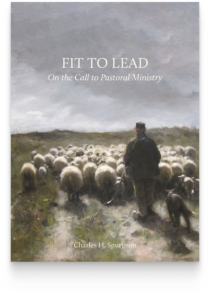 With the rate of pastors retiring, burning out, or concluding their ministries, the need has never been more urgent for aspiring ministry leaders to prepare well for their pastoral calling.
In the eBook Fit to Lead: On the Call to Pastoral Ministry, compiled by The Spurgeon Library at Midwestern Seminary, current and aspiring pastors will gain wisdom from Charles Spurgeon on how to discern and thrive in their call to pastoral ministry. In the short book, Spurgeon—the “Prince of Preachers”—discusses how to identify and encourage those called to ministry, as well as what steps to take in pursuing a call to ministry.
We are delighted to offer this eBook to you for FREE today. Click on this link to get instant access!
Vaneetha Rendall Risner is the author of several books, including This Was Never the Plan, Watching for the Morning, and her memoir, Walking Through Fire. Vaneetha and her husband, Joel, live in Raleigh, North Carolina. You can read more from her at her website. She is also a regular contributor to Desiring God and has been featured on FamilyLife Today, Joni & Friends, and Christianity Today.