




We were created as holistic beings with intellects, emotions, and bodies all working in concert with one another to express ourselves. Depending on the study, we learn that anywhere from 70 percent to 95 percent of communication is non-verbal. We say a lot about what we think and feel without uttering a single word.
Outward Expression, Inward Reality
Paul writes in 1 Timothy 2:8, “I desire then that in every place [people] should pray, lifting holy hands.” He is referring back to many passages in the Old Testament where people were encouraged to pray and worship using specific postures—in this instance, the raising of hands. King David, the innovator of music in corporate worship, wrote hundreds of songs for the purpose of engaging the mind, heart, and body in worship. He understood that posture outwardly expresses an inward reality. Our body naturally acts the way our hearts feel. So we see encouragements throughout Scripture to bow humbly, raise hands joyfully, shout and sing loudly, clap hands, and even dance before the Lord. This must have felt awkward to the people of the day, who had never before seen anything like this.
Similarly, we have been shaped by our experiences and may be tempted to forego these postures to avoid feeling awkward or uncomfortable, saying, “That’s for other people. I was raised (whatever denomination), and we never did that.” In doing so, we do not realize how our posture is shaped by our heart. Outward expressiveness in corporate worship is not the only indicator of our delight in the Lord, but it can be a telling one.
God Wants All of Us
Still, worship posture does not mean the same thing in every context and congregation. In more traditional Western congregations, expressive worship of God may look like smiling as we loudly and fervently sing rich doctrinal truths and our hearts delight in him. In more contemporary contexts, we might raise our hands as we grow more fully consumed with adoration of God. We might bow before God as we become more fully immersed in a deep sense of humble, reverential awe. Yet no matter the context, as we experience the inward heart reality of worshiping God with all we are, our bodies reveal our heart’s condition. That is why God wants more than for us to go through the outward motions without actually worshiping. The fruit of our outward expressiveness reveals the root of our hearts.
God wants our hearts, not just our fake smiles, arms raised or our knees bent. He wants more than just our shouts or our songs. He wants more than just our theological intellects. He wants all of us.
Free eBook by Tim Keller: ‘The Freedom of Self-Forgetfulness’
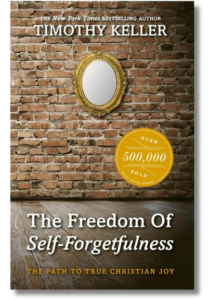 Imagine a life where you don’t feel inadequate, easily offended, desperate to prove yourself, or endlessly preoccupied with how you look to others. Imagine relishing, not resenting, the success of others. Living this way isn’t far-fetched. It’s actually guaranteed to believers, as they learn to receive God’s approval, rather than striving to earn it.
In Tim Keller’s short ebook, The Freedom of Self-Forgetfulness: The Path To True Christian Joy, he explains how to overcome the toxic tendencies of our age一not by diluting biblical truth or denying our differences一but by rooting our identity in Christ.
TGC is offering this Keller resource for free, so you can discover the “blessed rest” that only self-forgetfulness brings.