When I was 17, a speeding Lexus turned my life into a question mark.
On a quiet street in Columbus, Indiana, just outside my parents’ driveway, I was riding my skateboard, showing my 9-year-old neighbor Hannah some tricks. Then a driver ignored the speed limit and struck me at full force. My head shattered the windshield, my body dented the roof, and I landed 20 feet away in a neighbor’s yard.
Hannah, who heard but didn’t see the crash, ran into her grandma’s house screaming, “Cameron’s been shot, Cameron’s been shot!”
A helicopter transported me to a hospital in Indianapolis, where I remained in an unmedicated coma for nearly three weeks. Physicians diagnosed me with the highest level of severe diffuse axonal brain injury down to the brain stem. They told my family that I may never wake up, and that if I did, I’d be a shadow of myself, trapped in a vegetative state or with a child’s mind.
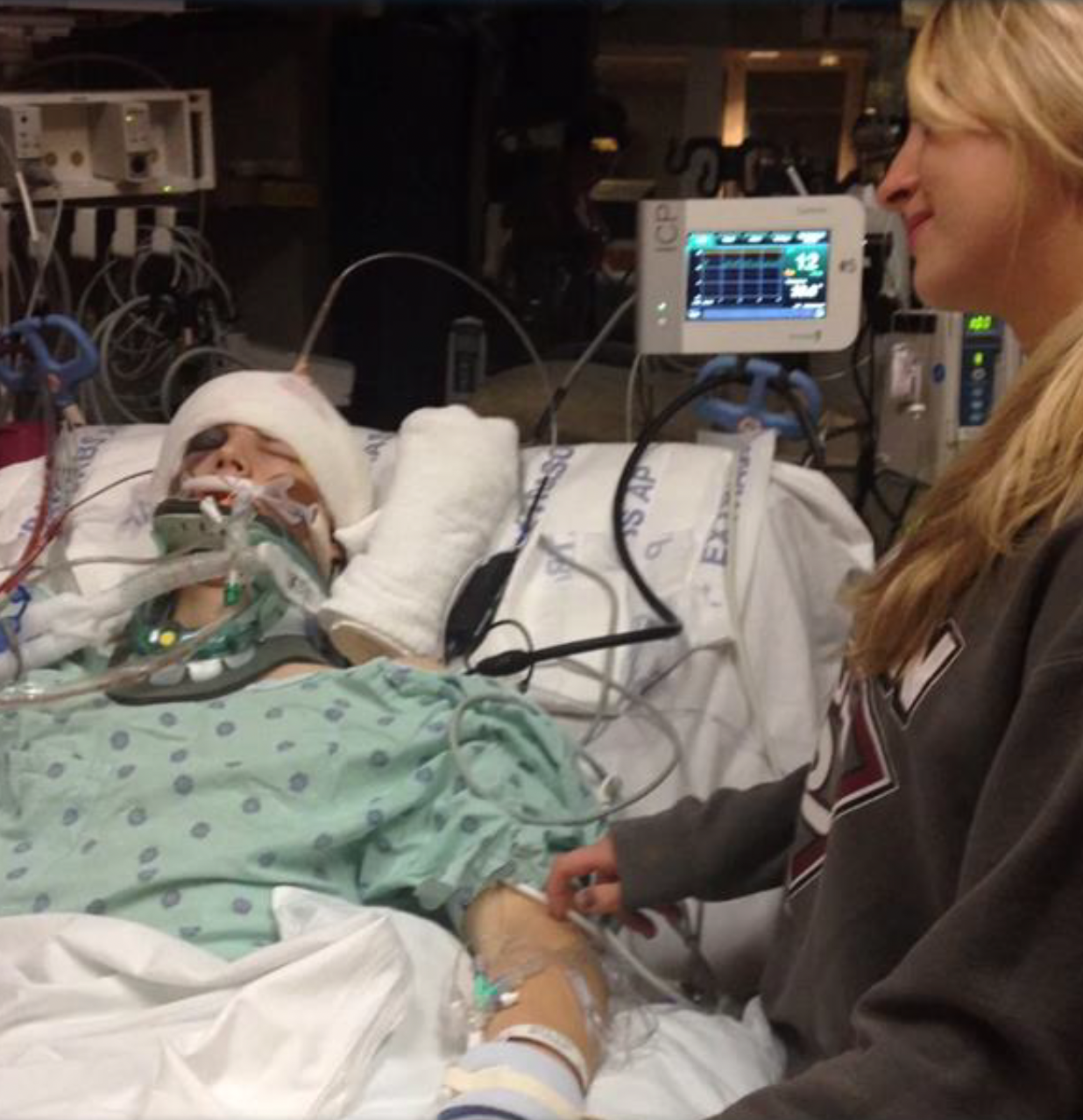
When my eyes finally opened, I found myself in an unfamiliar world. I couldn’t walk, talk, or even remember the name of my fiancée, Chelsea, whom I’d proposed to a month earlier. Life objectively was different.
My initial response? Indifference.
While relearning the basics was brutal, the real battle for me was existential. I’d lost a third of my skull—a big deal, for sure. But losing my sense of self cut deeper.
My faith told me I was more than my brain. But the brain injury whispered something else. As I wrote in my journal years ago,
This is your forever life, Cameron. The way you feel today––depressed, dragged, undone––is the way you will always feel. Those strange looks? They’ll keep coming. Those close friends? They’ll keep running. Those goals of yours? They’ll need rewriting.
This disorientation unearthed questions I’d never faced before: Who am I without my abilities or memories? What defines human worth when output vanishes?
As I wrestled with these questions, I began to see them echoing beyond my own life, into a world on the brink of its own awakening. I’m seeing how these aren’t just my struggles. They’ll soon be the world’s struggles too.
Human Value in the AI Age
The world is in a kind of comatose state as we near what I call the “global blink”––the moment we wake up and see how AI has infiltrated our jobs, our commerce, and even our entertainment; the moment humanlike robots roam the streets; the moment we’re forced to wrestle with what makes us truly different from machines.
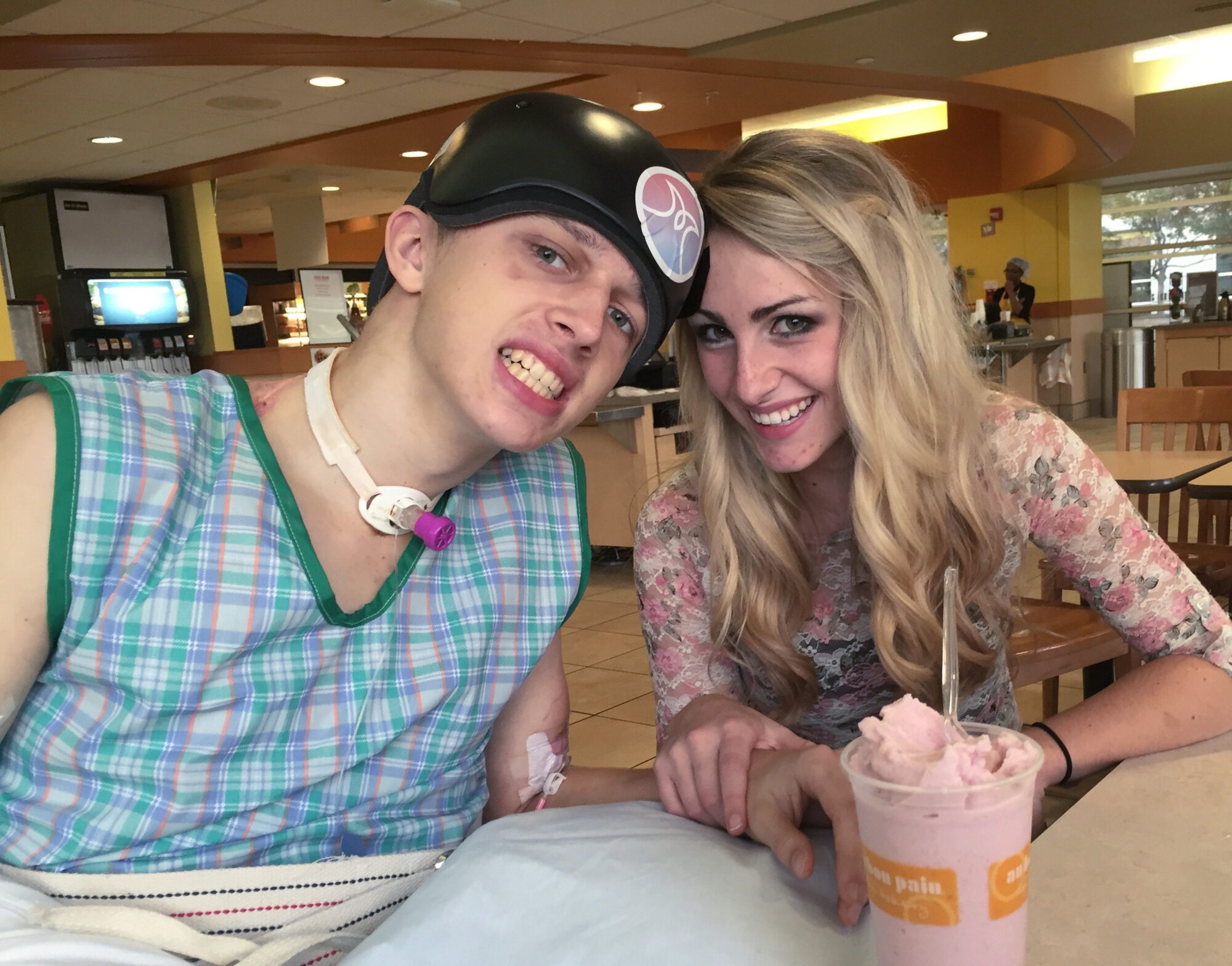
My world looked different when I woke up from that coma, and the world is about to look different when it wakes up from its own.
What defines human worth when output vanishes?
I’m not opposed to AI. I use it often in my legal practice and daily life. But I foresee a coming global identity crisis similar to what I went through personally. We’ll see the collapse of the modern belief that human value derives from our objective merits and accomplishments (i.e., “what you can do for me,” or David Brooks’s “résumé virtues”) because AI can and will continue to supersede all that, even the brightest of us combined.
But what if someone and not something gives us unshakable value? That was my question after a brain injury nearly took my life. The answer I found is that human worth rests in dependence, not dominance.
Defined by Relationship
Being human means relying not just on doctors for medicine or on farmers for food but on someone else for identity and meaning. This relational dependence reflects the biblical imago Dei.
Human worth rests in dependence, not dominance.
In Genesis, God didn’t code humans like data. He formed man from dust and breathed life into him (2:5–8). That breath––a relational act––turned dirt into a person, a what into a who, an object into a subject. Man became God’s own. As the sun gives life to the objective world, so God gives life to the subjective one.
Therein lies the true meaning of the imago Dei: the capacity for personal relationship with both God and neighbor. While AI can “relate” to its creators practically, it cannot do so personally. It’ll never be a subject––a being capable of personal relationship.
I know “subject” isn’t the prettiest word. But it’s the right one. It captures our dependent, relational nature as communal beings made in the image of a triune being. It signifies how, from Eden, belonging has always preceded becoming.
Subjects, Not Objects
In my darkest moments after the injury, I clung to 1 Corinthians 4:7: “What do you have that you did not receive?” Paul’s question grounded me in the truth that what I have and what I lack is all from the Lord. If he is good, then what I have and what I lack can be good too.
I wrote the following on January 30, 2023, while combating my last bout of suicidal desires:
Hold onto your kite of a life; Where some days it’ll fly high, Others it’ll fly low; Some days it’ll toss to and fro, Others it will not; But regardless of what happens to your kite, The number one task is to keep a strong grip on that string. And maybe that’s the right perspective: To hold onto life like a string to a kite. Because that’s all you can do. Trust Him with the weather.
No one chooses the cross he or she must carry. Even Jesus pleaded “Let this cup pass from me” before his crucifixion. But then he surrendered to the Father’s will: “Not as I will, but as you will” (Matt. 26:39). An object would never make that choice. Only a subject can.
Suffering—at least the existential and redemptive suffering described here—is a uniquely human trait. It draws us out of ourselves and into relationship. There’s a communal nature to it, an understanding that we aren’t meant to carry it alone. And relational dependence isn’t weakness. It’s the doorway to transformation.
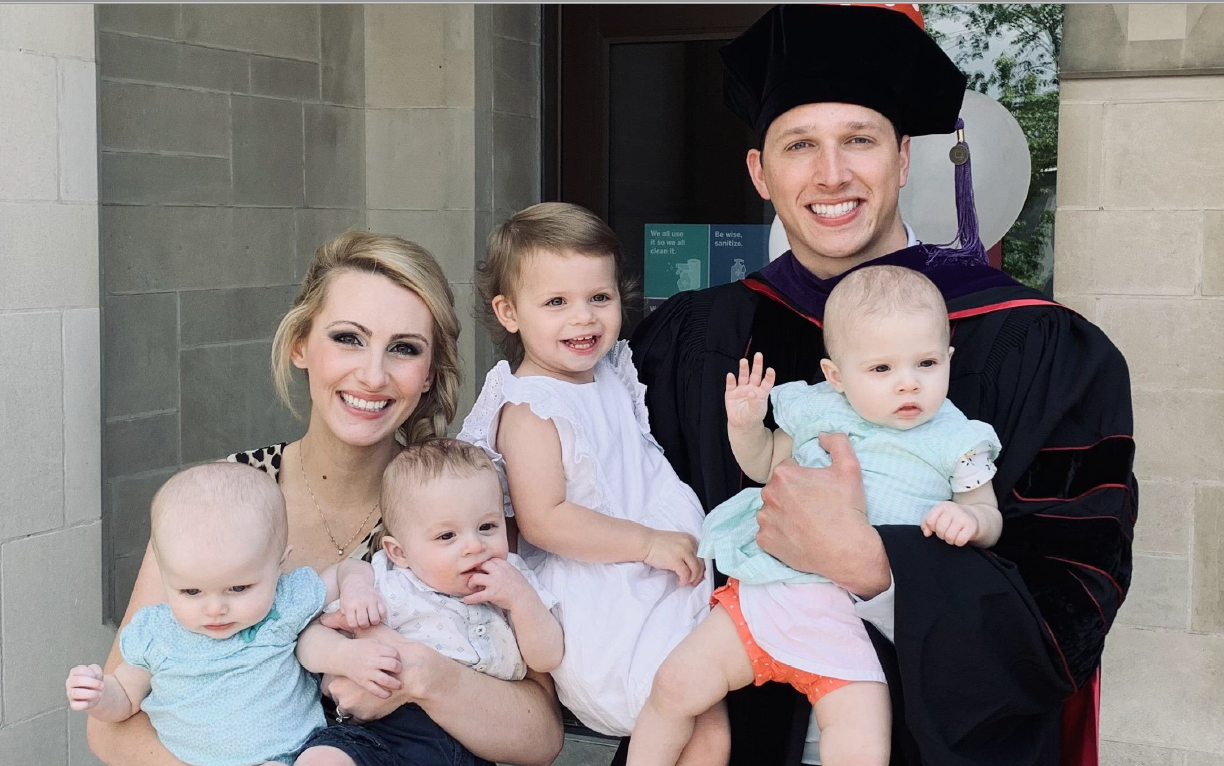
Chelsea and I got married just months after the accident––my speech still slurring, but her still believing. When nausea (brought on by my traumatic brain injury) struck and I vomited in the car, she cleaned it without a word. When I slit my arms right in front of her, she bandaged me up and drove me to the hospital for stitches. I barely remember that first year of marriage, and things only got harder. By age 22, we were raising four kids––three of them triplets. We’ll celebrate 10 years of marriage on March 26, 2026. We’ve gotten through this the only way we could: together.
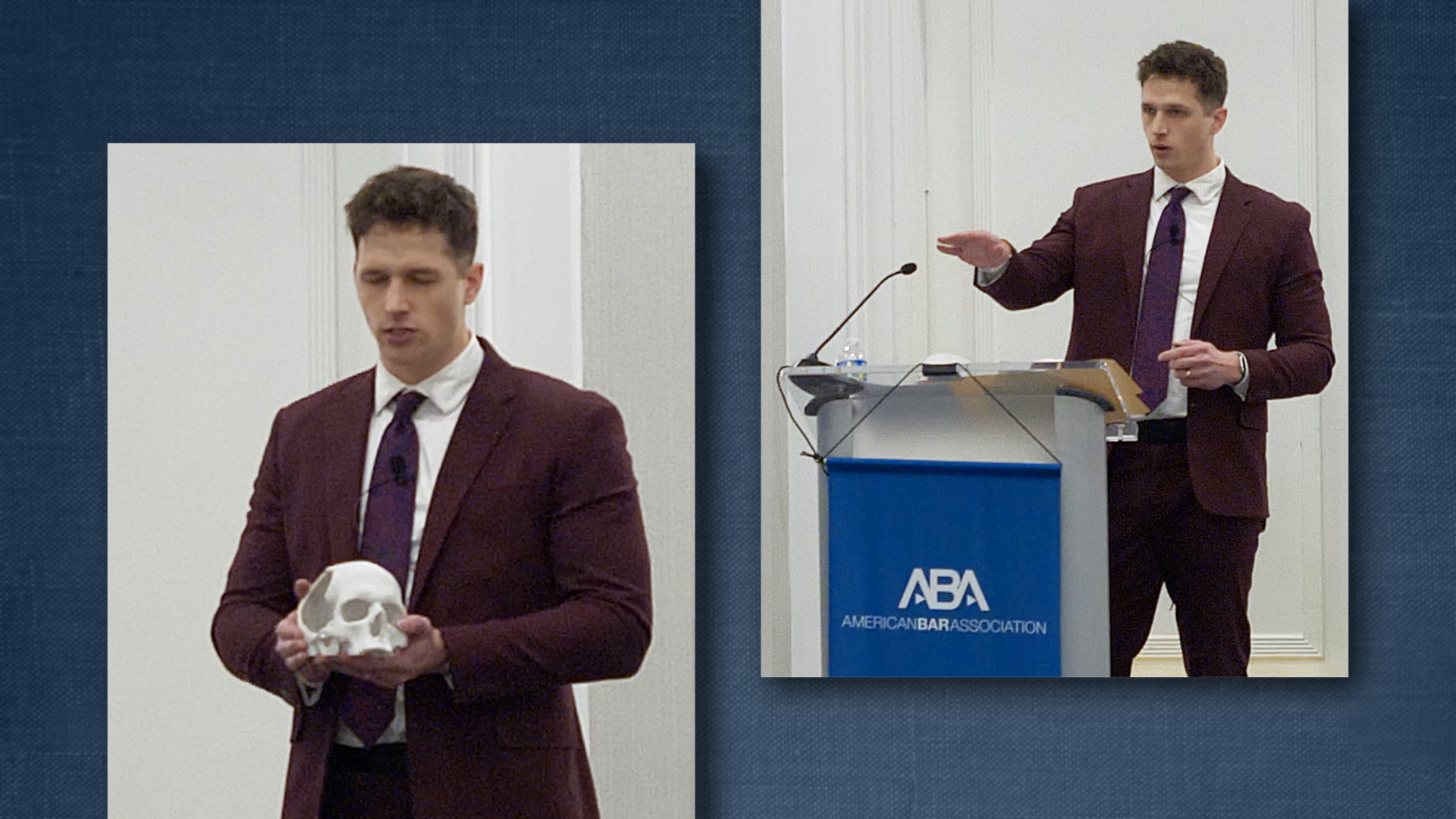
Sure, by 26, I’d become a licensed attorney and published author. But the miracle wasn’t in those accomplishments. It was in my posture: one of surrender to a personal will far greater than my own.
Testimony AI Can Never Tell
AI can repeat and generate, but it can’t be reshaped by grace or held in love. It can’t suffer. And because it can’t suffer, it can’t transform. Our capacity for personal transformation will always set humans apart from AI.
AI will always remain an object. But we’re subjects––crafted by the hand and breath of God for the purpose of relating, relying, and being remade.
AI can repeat and generate, but it can’t be reshaped by grace or held in love. It can’t suffer. And because it can’t suffer, it can’t transform.
Our culture urges independence and self-sufficiency. But the imago Dei calls us to something deeper: to be known, to be held, and to depend on God. Only a subject can say, “I was broken, but now I’m whole—not because of what I did but because I found someone else to carry me through it.”
That’s a testimony AI can never tell, because it’s something only a subject can live out. And if that’s you––still breathing, still broken, still becoming––then you’re already living it too.
The coming years will test people’s sense of worth in ways they never expected. And if the church doesn’t speak into this––if we don’t stand in the gap and proclaim that human value was never about what we do but who we belong to––then people will be left to find their answers in a world progressively primed to reduce them to objects.
Free eBook by Tim Keller: ‘The Freedom of Self-Forgetfulness’
 Imagine a life where you don’t feel inadequate, easily offended, desperate to prove yourself, or endlessly preoccupied with how you look to others. Imagine relishing, not resenting, the success of others. Living this way isn’t far-fetched. It’s actually guaranteed to believers, as they learn to receive God’s approval, rather than striving to earn it.
In Tim Keller’s short ebook, The Freedom of Self-Forgetfulness: The Path To True Christian Joy, he explains how to overcome the toxic tendencies of our age一not by diluting biblical truth or denying our differences一but by rooting our identity in Christ.
TGC is offering this Keller resource for free, so you can discover the “blessed rest” that only self-forgetfulness brings.