




Christians buy a lot of books. Some of us have shelves full of books on cultivating healthy relationships. However, in Everyday Grace: Infusing All Your Relationships with the Love of Jesus, Jessica Thompson points out a natural limitation of self-help books: “While you may be following all the right steps to a better relationship, it doesn’t mean that your spouse or your friend is” (7).
She’s right. While many relationships can be improved by counseling, conversation, or commitment, some are never going to improve. Perhaps the other parties aren’t interested in improving the relationship. Maybe they will fail us the way they always have. We ourselves will fail in our relationships, even if we read all the right books. But the gospel gives us hope that God will not only show us grace in our relationship failures, but will free us to show grace to those who fail us.
Gospel vs. Karma
Thompson, a writer and conference speaker, convinced me I’ve been infected with what she calls a “karma” mindset in which we expect to get what we deserve—and we expect others to give it to us. This karma mindset filters into relationships with the subtle creed “you do for me, I will do for you.” We expect our relationship partners to earn our love, if not by their goodness toward us, then at least by their gratitude. But if you’ve ever had a relationship with another sinful human, he or she probably hasn’t fulfilled your expectations. Thompson explains that the karma mindset is a lose-lose proposition:
An attitude of “you give to me because I give to you” is terribly exhausting. First of all, I never live up to my own expectations. I am never really the friend, spouse, parent that I want others to be. This results in a pulling up of the bootstraps and trying harder. Second, not only do I fail, others fail me. So if I am looking to others for my own happiness, satisfaction, security, or acceptance, I will constantly be disappointed and angry. Truly my only source of joy can be my God, who never disappoints me and is the only one who perfectly relates. (10)
We can give without expecting to be repaid because God has given to us. We don’t live trying to make up for all the wrongs we’ve done because, rather than giving us what we deserve, God has given us what Jesus deserves. This knowledge should free us to approach earthly relationships from a place of fullness and generosity rather than with a give-and-take mentality.
‘Why’ Rather Than ‘How’
Thompson explicitly states she hasn’t set out to write a book of relationship advice. Each chapter deals with the theology of why we should extend grace in each relationship without delving too deeply into how. The chapter on friendship reminds us that Jesus is the friend who will never fail us. The chapter on marriage focuses on Christ’s love for the church. The chapter on loving difficult people extols the help God gives us through the Holy Spirit.
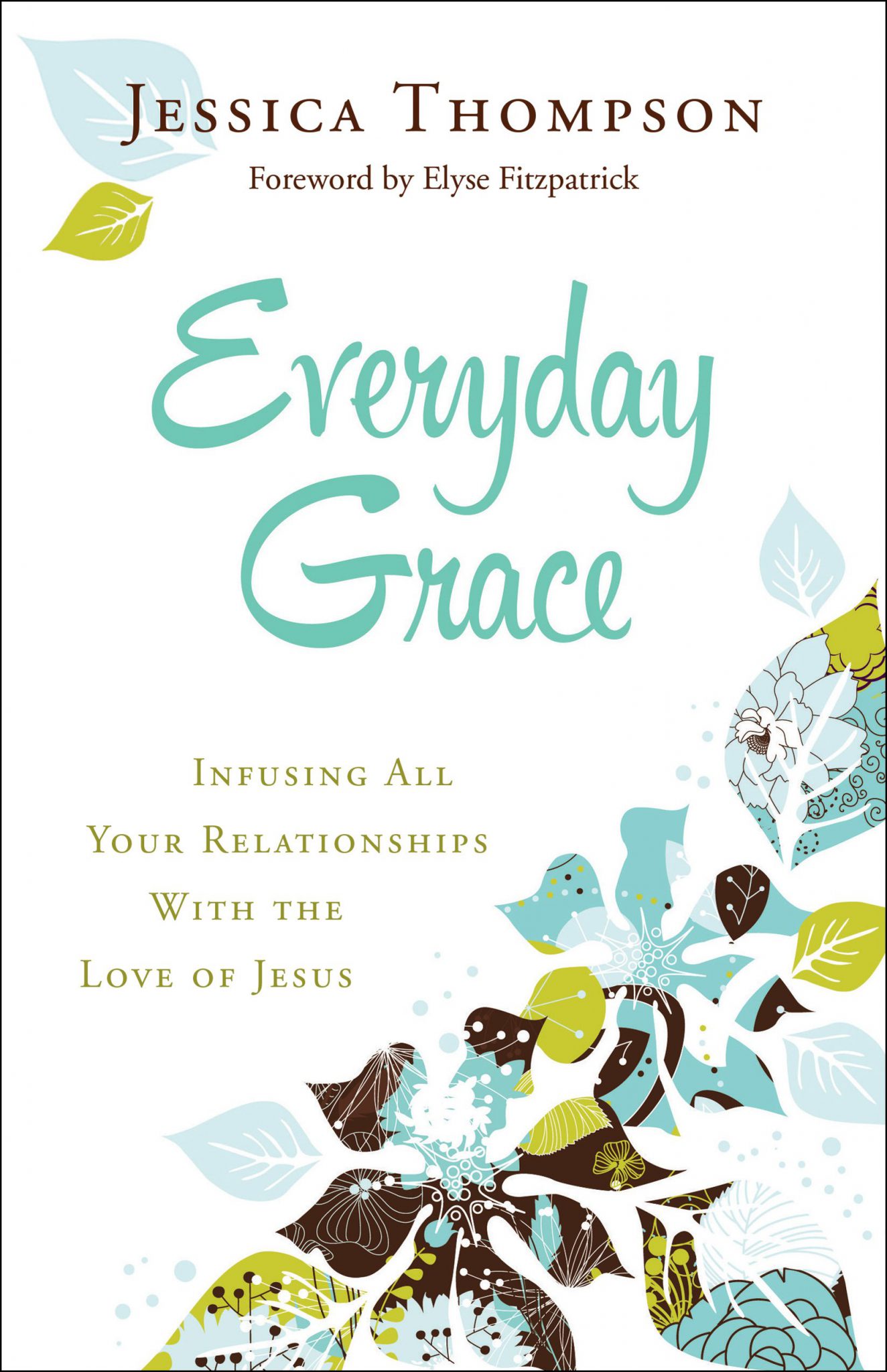
Everyday Grace: Infusing All Your Relationships with the Love of Jesus
Jessica Thompson
Everyday Grace: Infusing All Your Relationships with the Love of Jesus
Jessica Thompson
It would be unfair to criticize Thompson for not doing the thing she said she wasn’t going to do. She thoroughly and successfully depicts the relational fullness that can only come from Jesus. Yet I was hungry for more insight into how prizing that fullness will transform my human relationships on a practical, day-to-day level. I’d love to read a follow-up book building on this theological foundation with additional application.
Grace in Every Relationship
Most Christian relationship books focus on marriage or parenting, but we need grace in all our relationships. Adult children need to show grace to their parents. Employers need grace for their employees. I particularly appreciated the inclusion of friendship and church membership as relationships covered in the book. While friendship plays a huge part in the lives of women, and we hear its benefits commended, we don’t often acknowledge that even Christian friendships are fraught with insecurities and hurt feelings.
Likewise, when we talk about failure in relationship, the fact that (according to a figure cited by Thompson) 19,000 churches face significant conflict or division each year means there are a lot of people hurt by relationships within the body of Christ. Thompson reminds us that if we truly believe “all have sinned and fall short of the glory of God” (Rom. 3:23), we should expect to be sinned against. Rather than moving on to the next church or merely growing a thicker hide, the right response to wounds from other church members or church leaders is forgiveness, not cynicism.
Unlike self-help books that can weigh me down with guilt, Everyday Grace filled me with hope. Our relationships aren’t doomed just because the other party lets us down. We aren’t doomed when we fail to be a good friend, spouse, or parent. When our sin shows up in the context of relationships, we are given an opportunity to set our eyes upon the fullness of God’s perfection and grace toward us in Christ.