



When people ask how long I’ve been working on The Lord Is My Light—the liturgy for daily prayer coming out this fall—I struggle to answer. There’s a sense in which it’s been in development for more than 20 years, from the time an older woman in my Baptist church back home handed me The Book of Common Prayer. That gift whetted my appetite for more prayers from all eras of church history, and I’ve enjoyed finding gems here and there from our forefathers and mothers in the faith that I can make my own.
In the first church I served as a pastor, we had a nicely designed prayer room just off the foyer near the entrance, and every week I compiled materials for a simple daily office for the men and women (mainly older, seasoned saints) who would frequent that room. By adding ancient prayers to my routine, I felt those words becoming mine. Ever since, I’ve been perusing prayer books and marking the most moving and glorious prayers from saints and martyrs of the past.
The Lord Is My Light’s daily liturgy features a “prayer of the church” that draws on wonderful resources laying out prayers from people throughout church history. I’d like to give a nod to the explorers and discoverers who have unearthed, adapted, and repackaged so many of these wonderful prayers. Here are the ones I’ve most appreciated and drawn from often.
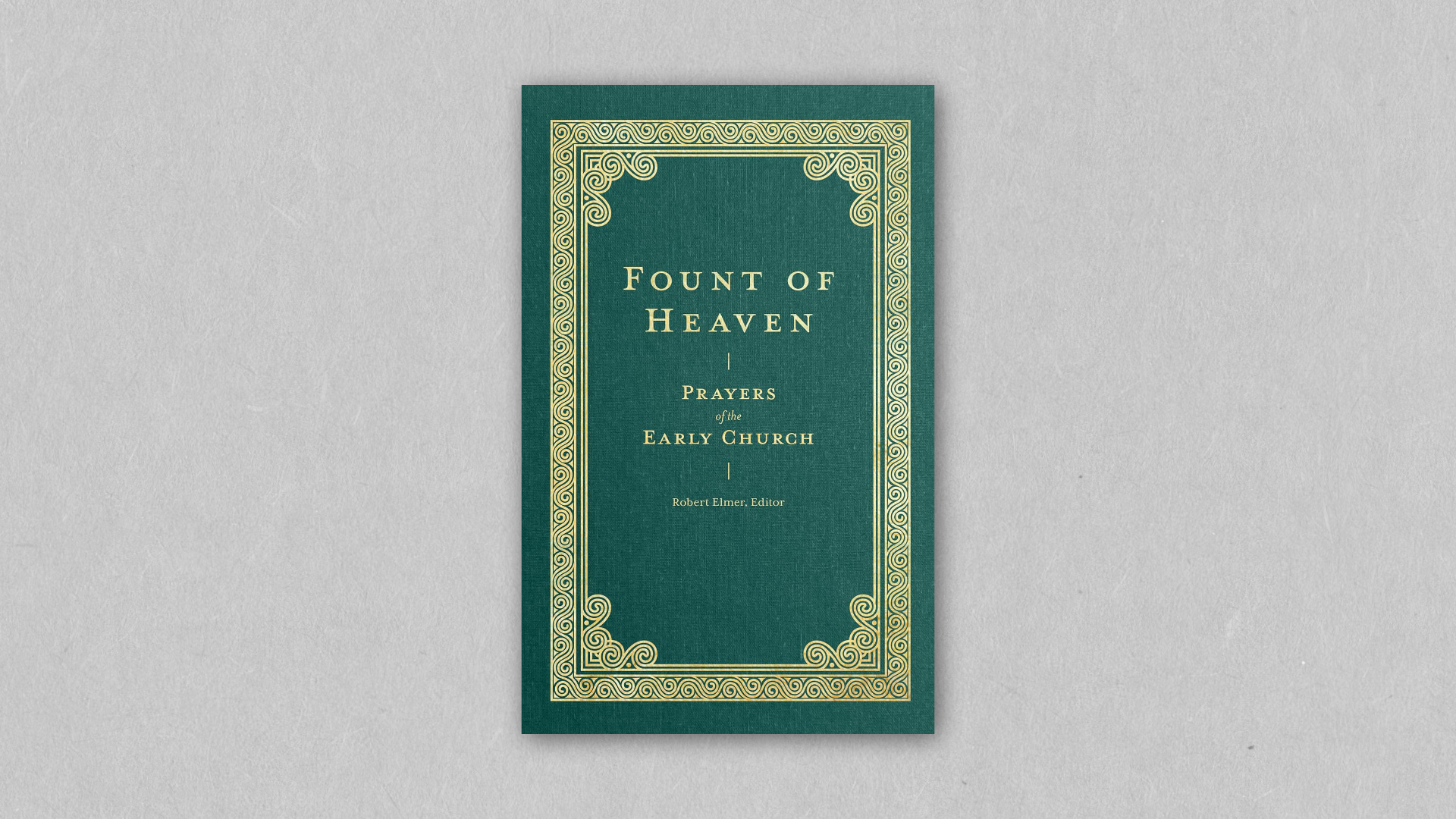
Robert Elmer is the finder of finders. His series from Lexham Press features prayers from multiple eras of church history: Fount of Heaven draws from the early church, Grace from Heaven from the Reformation period, Piercing Heaven from the Puritans, and the newly released Joy of Heaven treats us to stirring prayers of praise and confession that give voice to the heartfelt yearnings of believers for personal renewal and corporate revival. Not only are these four volumes a treasure trove of prayers, but their designs are handsome and the books themselves are a pleasure to hold. Elmer groups the prayers according to theme, which makes them easy to navigate, and I’ve returned to this series again and again as I’ve collected and adapted prayers for The Lord Is My Light.
Cloud of Witnesses: A Treasury of Prayer and Petitions Through the Ages, edited by Jonathan Arnold and Zachariah Carter and published by Crossway, is organized by era: the early church (100–800), the medieval church (800–1500), the Reformation church (1500–1700), and the modern church (1700–1900). The appendix includes the prayers in their original languages, biographical sketches of the historical figures involved, and historical introductions that place each prayer in context. Arnold and Carter did fresh translations of prayers previously unavailable in English, and they modernized versions of prayers written in early or middle modern English. Many of these prayers were new to me, and I incorporated portions of more than a few of them in The Lord Is My Light. The design is inviting, the scholarship is careful, and the whole collection rewards slow reading.
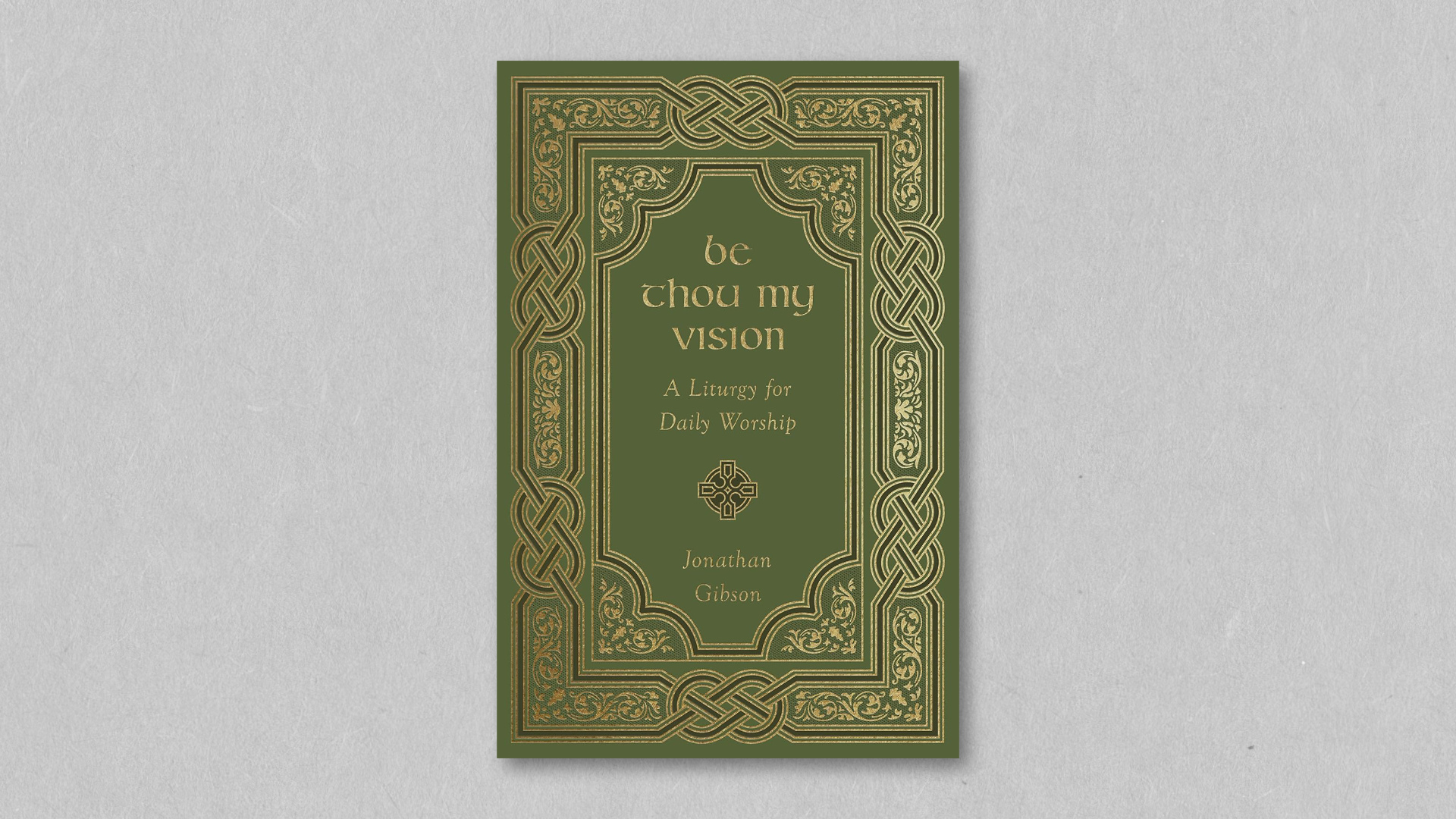
Jonathan Gibson’s popular trilogy of liturgies for daily worship—Be Thou My Vision, O Come, O Come, Emmanuel, and O Sacred Head, Now Wounded—brings together some of the best of the Reformation tradition, reintroducing us to familiar names while supplementing with lesser-known figures whose prayers are rich in their expressions of confession and adoration. Gibson’s daily liturgy takes considerably longer to pray through than The Lord Is My Light, but I appreciate his incorporation of the ancient creeds and Reformation catechisms, and the way his historical prayers frame up the Bible reading and personal prayers of intercession. As with everything from Crossway, the design is elegant, with careful attention to readability.
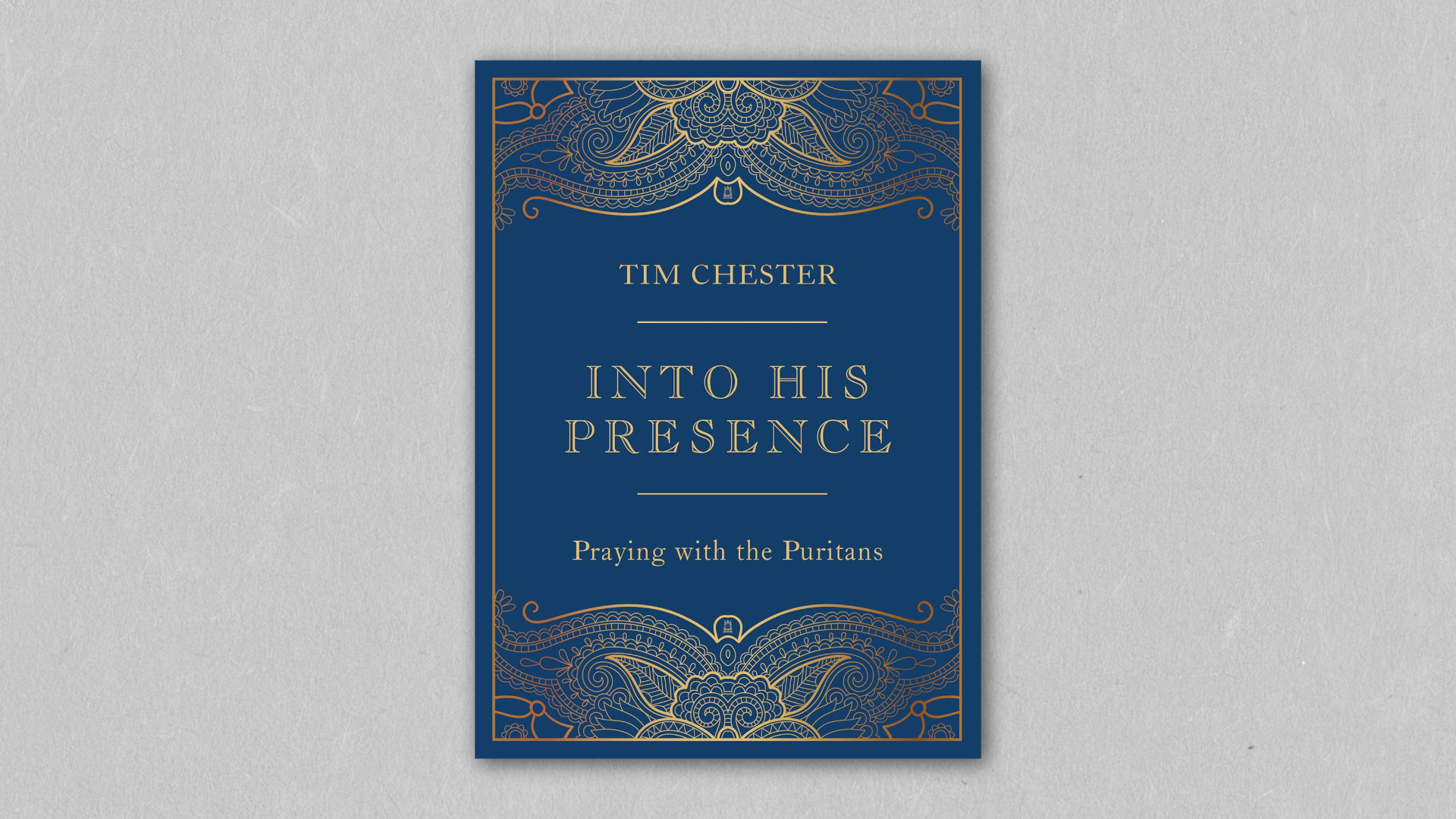
The Puritans continue to be among the most sought-after prayer warriors from the past, as evidenced by the enduring success of The Valley of Vision, compiled and edited by Arthur Bennett. I adapted and modernized several prayers from this collection—often shortening them for space and time—but the fuller prayers I drew from are worth your attention. Also notable is Tim Chester’s Into His Presence, which features 80 prayers from a range of Puritan pastors and writers. Chester, like me, is less interested in the historical curiosity than in people actually praying these prayers as a living and enriching spiritual experience.
Several other collections deserve mention. Conversations with God collects two centuries of prayers by African Americans, and An African Prayer Book gathers prayers from believers across the world’s largest continent. Thomas Oden and Joel Elowsky’s On the Way to the Cross is a 40-day devotional drawing on the church fathers, with rich and resonant prayers at the close of most days. Many prayers in the Christian section of The Oxford Book of Prayer overlap with other collections, but there are gems there that sparkle and don’t show up elsewhere. Kurt Bjorklund’s Prayers for Today canvasses the whole Christian tradition, while Women of Prayer (compiled by Dorothy Stewart) and The Book of Uncommon Prayer surface voices that rarely appear in other anthologies.
It should go without saying that Thomas Cranmer’s legacy as a liturgist looms large over the English Reformation tradition, and nowhere is this more evident than in the various editions of The Book of Common Prayer still available today. My 12th great-grandfather was an Anglican theologian whose work on sola scriptura is still in print. It’s nice to know, whenever I pray through the 1559 Elizabethan prayer book, that someone in my lineage was familiar with these same words and rhythms.

The recently republished 1662 edition by IVP—still the official prayer book of the Church of England—is another worth owning and using. For The Lord Is My Light, I relied most heavily on the 2019 ACNA edition, particularly for the specific wording of the confessions of sin and for the dozens of “collects”—those compact, well-crafted prayers that follow the pattern of the Lord’s Prayer: an address to God, a phrase that focuses on his character and attributes as the basis for a petition, the desired result or benefit, and a closing word of praise.
I could go on, pointing you toward collections organized around individual voices like Spurgeon, Tozer, F. B. Meyer, and John Baillie, but this should be enough to give you a starting place if you’re interested in incorporating more prayers from church history into your devotional life. In The Lord Is My Light, I’m including the dates after every name represented, with the hope that curiosity will lead readers to learn more about those whose prayers have been passed down to us.
For more updates on this resource, and for my future articles, book reviews, and links I find helpful, enter your email address.