



I was hoping to get to bed at a decent time last night, but the thump-thump of air defense wouldn’t let me drift to sleep. Instead, our family gathered in the living room, said a prayer, and watched the cold winter sky flash orange as Russian drones attacked the city center of Odesa.
I’d like to say this is a rare occasion, but it’s not. In January 2025, Russia launched a total of 2,629 Shahed-type drones into Ukrainian territory. Compare that to last month (January 2026), when Russia launched 4,442 drones.
As a pastor in Ukraine, I’d like my Christian brothers and sisters around the world to understand our situation and how the church is persevering through it.
Surviving the Damage
Eventually, the sky went dark again, and the sputter of heavy machine-gun fire died away. We gathered ourselves and crept off to bed, tired and uncertain about what had just been destroyed in the attack.
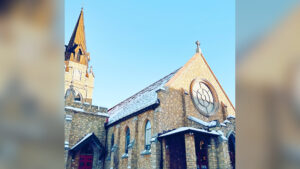
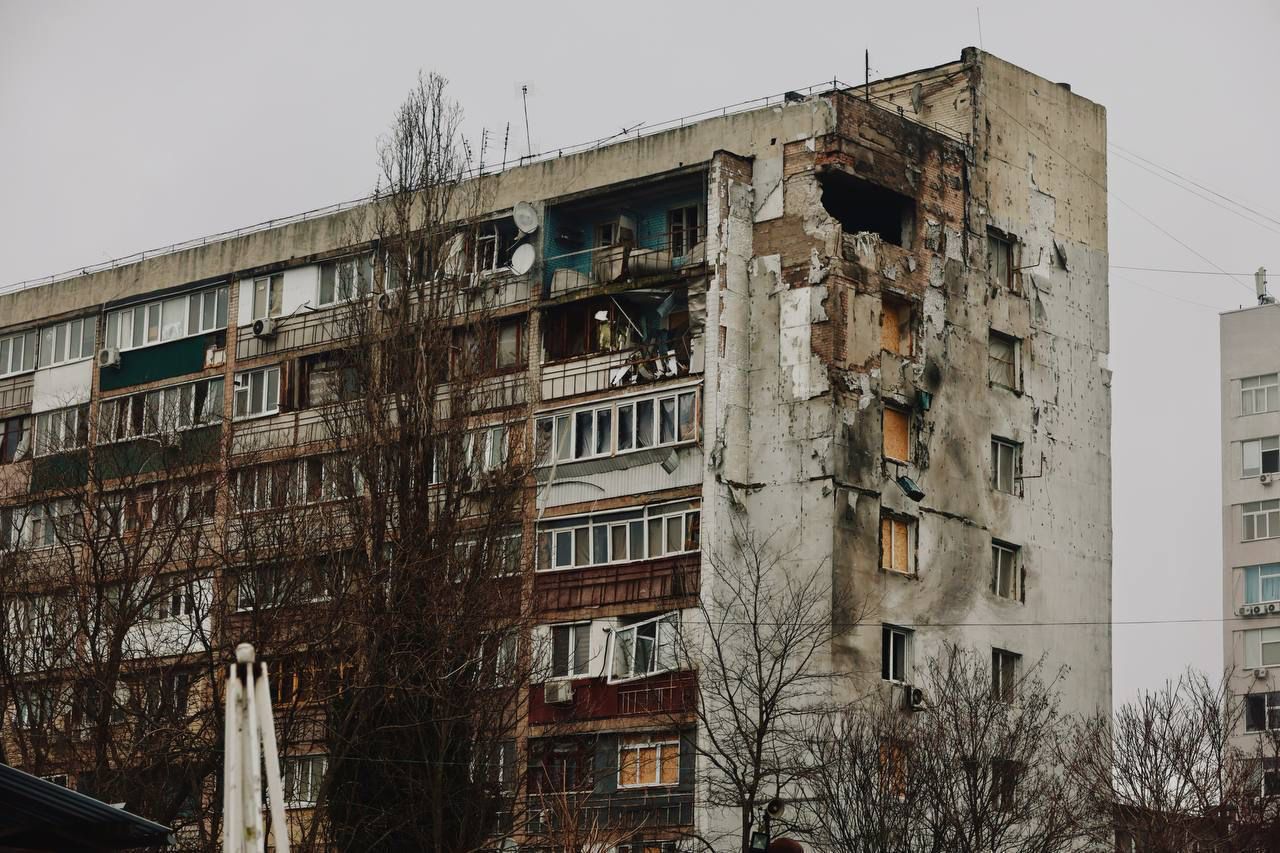
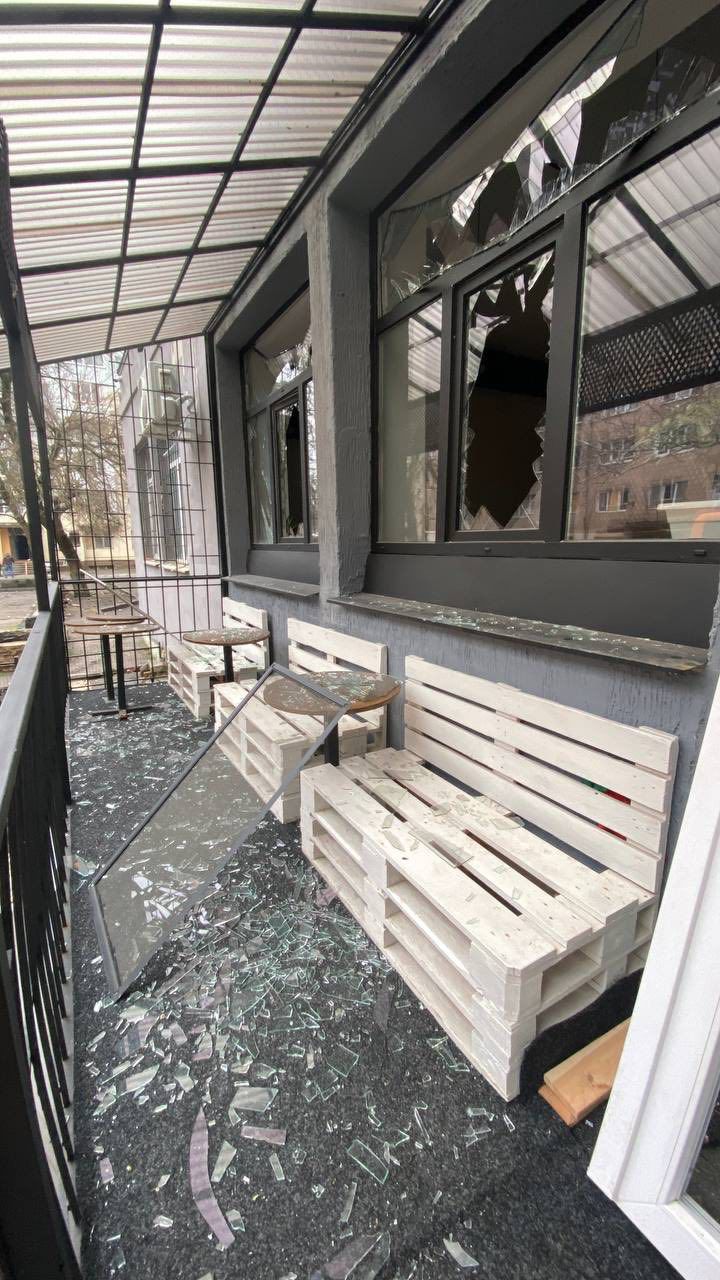
In the morning, I woke to the news that the Russian drones targeted a local market on the other end of town. Drone after drone pounded the market, destroying the sellers’ stalls, cars parked nearby, and hundreds of windows in apartment buildings surrounding the area. The powerful shock waves broke all the windows and completely smashed out the door of a local Baptist church.
Surviving the Cold

Many people in Ukraine lack heating. For example, Denis and Mariana, a young married couple, are both eagerly serving in their local church. Last summer, they moved into their first apartment and began setting it up. It was small, with just enough room for the two of them.
Then winter came, but the heat didn’t come. As November turned to December, temperatures in their apartment plummeted. Some mornings, it was barely 40 degrees Fahrenheit. They tried to heat the apartment with their gas stove until they both began to get terrible headaches and realized the carbon dioxide levels had become dangerous.
Finally, in January, I helped Denis and Mariana move some of their furniture to a new place that actually had heat. Unfortunately, most people don’t have the opportunity to move.
How Are Churches Responding?
This is the experience of millions of Ukrainians—nightly drone and missile attacks, and unbearable cold at home. Just this minute, as I’m writing, my phone began sounding the air-raid alarm for the fourth time today, and now I can hear the rumble of air defenses somewhere in the city.
How does the church survive such extreme conditions? What does it look like to remain faithful to the gospel and to continue ministering when the world around you is literally exploding?
In all honesty, not all churches have fared the same. Earlier in the war, we saw many church leaders leave the country, seeking safer pasture. They found it in Western Europe or North America. That left many churches with a deficit of trained and experienced leaders. Some churches are still struggling as a result. The leaders who remained have grown somewhat used to the constant attacks; nevertheless, it’s impossible to get used to them completely.
For those churches that continued and even flourished during wartime, I’ve noticed several common factors.
1. Focus on the Core Gospel Truth
Debate over secondary theological issues can be healthy, but it can also distract the church from its mission. Before the full-scale invasion began four years ago, many churches were caught up in debates over everything from what kinds of clothing are allowed at church to different eschatological positions. These debates quickly took a back seat when scared and bewildered people, who had never attended a Protestant church before, began showing up. Truths such as God’s grace, forgiveness, faith in Christ, and eternal life took center stage.
2. Willingness to Serve the Real Needs of People Around Them
Early in the war, there was a need for housing, and many churches responded by creating hostels for refugees and internally displaced people within their facilities. Tens of thousands of people saw the church not only as a place of worship but also as a safe, warm place to spend the night.
Four years in, many churches are still regularly engaged in feeding and clothing the needy. These tend to be difficult ministries; however, churches that have chosen to serve their community in this way often see lasting fruit.
3. Simpler Approach to Ministry
We’re accustomed to seeing ministries in North America bustling with tech and props. It’s easy to see these as vital to the ministry. Now imagine what would happen in your church if there were no power, no heat, no microphones, no screens, and no assurance that your facility would make it through the night?
What would happen? Ministry gets a lot simpler. You find you actually need few things to carry out the Great Commission. You need a Bible, you need your voice, you need prayer, and you need a few people ready to learn from God’s Word with you.
Lesson for the North American Church?
As I put the finishing touches on this article, it seems the drone attack is winding down. I just clicked over to check the news in our city, and it looks like at least one Russian drone hit an apartment building. The war isn’t getting any better, but the church of God moves on.
She doesn’t move in the same way she did before the war started; she moves a bit freer now, less encumbered by secondary issues and techy toys, but more concerned with real needs and gospel truth. Maybe the Ukrainian church has something she can teach her North American sister.
Free eBook by Tim Keller: ‘The Freedom of Self-Forgetfulness’
 Imagine a life where you don’t feel inadequate, easily offended, desperate to prove yourself, or endlessly preoccupied with how you look to others. Imagine relishing, not resenting, the success of others. Living this way isn’t far-fetched. It’s actually guaranteed to believers, as they learn to receive God’s approval, rather than striving to earn it.
In Tim Keller’s short ebook, The Freedom of Self-Forgetfulness: The Path To True Christian Joy, he explains how to overcome the toxic tendencies of our age一not by diluting biblical truth or denying our differences一but by rooting our identity in Christ.
TGC is offering this Keller resource for free, so you can discover the “blessed rest” that only self-forgetfulness brings.