Listen to the author read her article.
Staying Faithful When the Work Is Slow and Hard
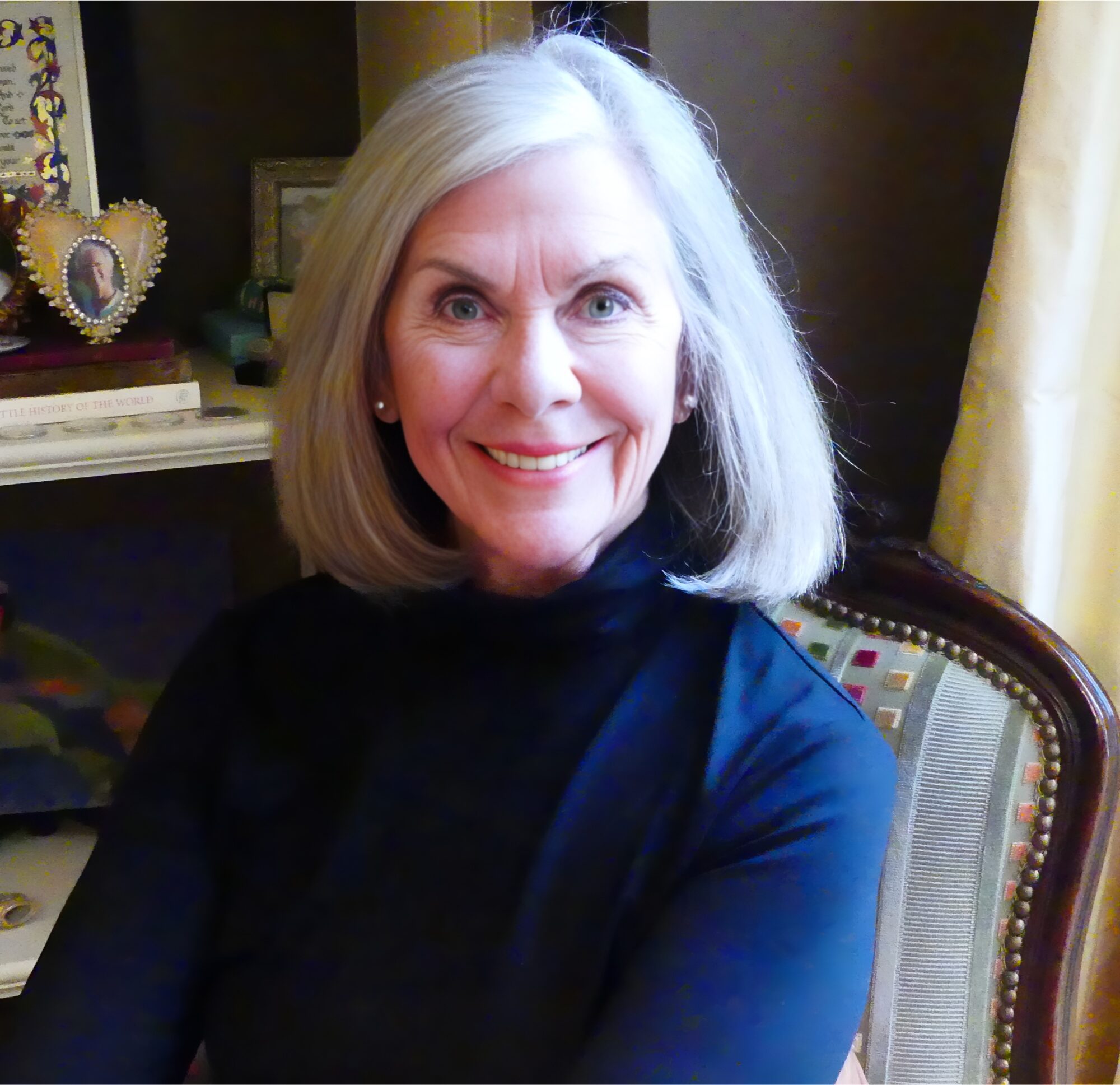
Photo Courtesy of Carey Moore





Carey Moore is a fourth-generation Memphian. But she was in her 60s before she first visited the neighborhood of Orange Mound.
Originally a family plantation, the land was purchased by developer E. E. Meacham and subdivided in 1890. He sold the plots to African American families, making Orange Mound one of the first places in America where they could build and own homes. For decades, black businesses, theaters, and restaurants thrived there. But after desegregation, residents began to leave. Businesses closed, crime went up, violence increased, and Orange Mound fell into neglect and decay.
Meanwhile, Carey grew up on the other side of Memphis. She went to college, then married a young man named Rick. Rick served in the army and earned an MBA at Wharton Business School before moving his family back to Memphis. Both of their lives were thoroughly disrupted when they became Christians.
“It was during the ‘70s, and there was revival sweeping the country,” Carey said. “Many of our close friends became believers at the same time. We were all trying to figure out our purpose.”
For Rick and Carey, that was working hard in a large family business and raising their five kids. But Carey was interested in missions too. She and Rick spent decades partnering with indigenous missionaries in Ukraine and India.
“After Rick’s stage 4 cancer in 2010, the Lord showed us we needed to stay home,” Carey said. As they prayed about new opportunities for women’s ministry, Orange Mound was continually on their minds.
How hard could it be? Carey thought. She figured she’d gather her Christian friends, find a place to meet, and invite the neighborhood women for lunch and Bible study.
“I was naive to the core needs here,” she said. She found generational poverty nearly impossible to dislodge. The chaos of everyday life made intellectual and spiritual growth difficult, and the constant transitions meant that hardly anyone stuck around long enough to see long-term change.
“I couldn’t have done what we’re doing here when I was any younger, because I would have been discouraged,” said Carey, who is 80. “I’m more dependent on the Lord now than I’ve ever been before, which is the best place I can be. I have never doubted that I am supposed to be here, and have often doubled down on my confidence in the Lord’s clear call.”
The Gospel Coalition asked Carey why she started working in Orange Mound, what she’s learned about the women there, and how she keeps going on discouraging days.
How did the Lord lead you to work in Orange Mound?
It was one of the last places I would’ve ever thought I was supposed to be.
By this point, I was in my 60s. I’d covered the whole Bible, front to back, at least four times in Bible studies. I was comfortable leading those within the walls of my church. I thought that was my mission—which it was, then. It was fun, and I was always among friends and seekers.
I couldn’t have done what we’re doing here when I was any younger, because I would have been discouraged.
But the Lord showed me, clearly, to get out. You don’t need any more studies—you need to apply the Word.
I had some wonderful friends who were just as dedicated to change as I was, so I decided to find a place where we could be part of a solution for our city. I was frustrated with the reputation of Memphis for being polarized between blacks and whites. I dragged my precious husband along through boarded-up, Section 8 parts of town. He loves me, but he didn’t think this was a good idea or that it would find traction.
Then we saw this property. It was rugged and broken-down, but it was on a main corridor. The location was safe, and the place made sense. It was obvious to me—not so much to Rick though!
What kind of ministry did you start there?
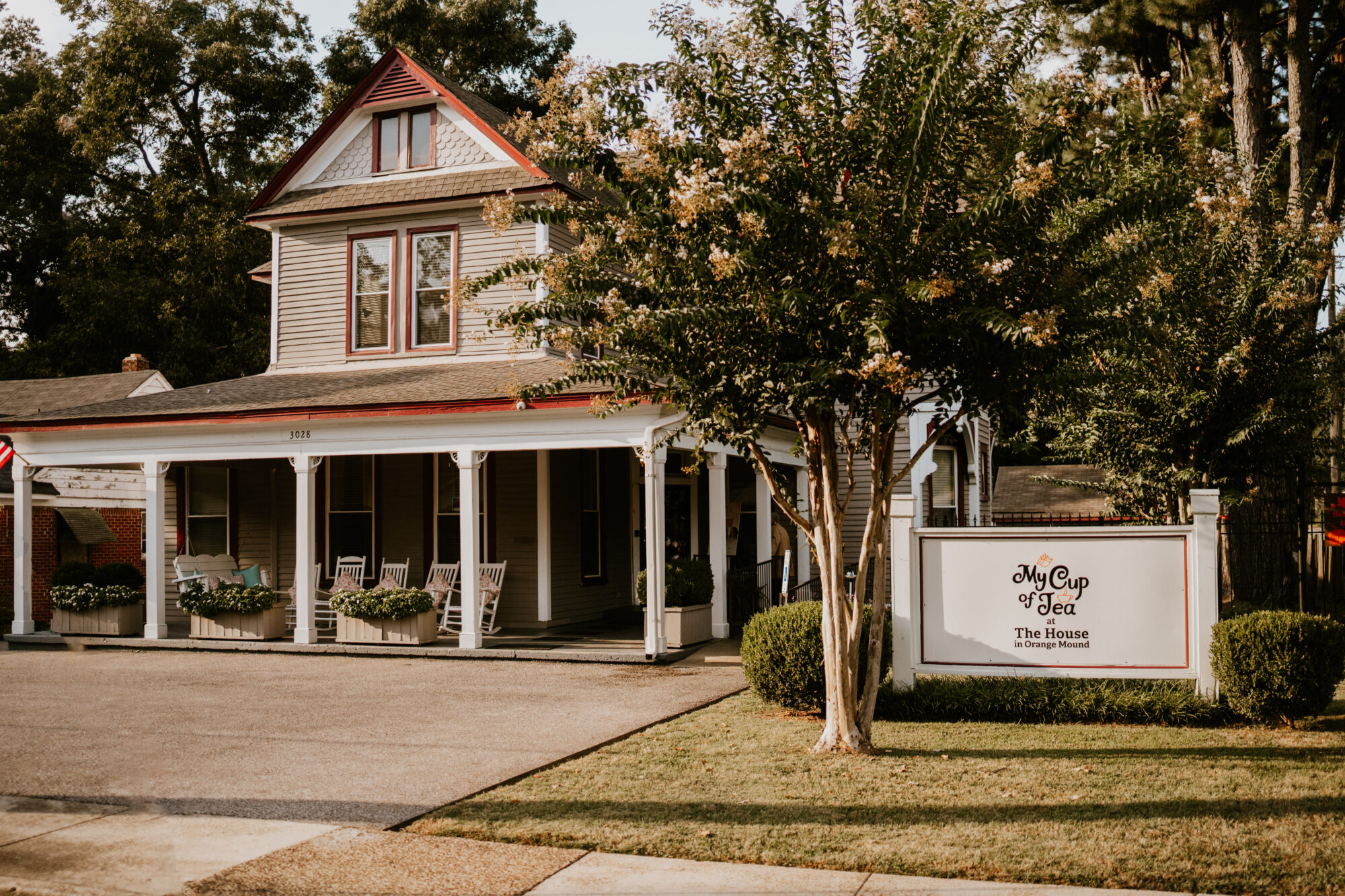
One of my first goals was to bring back the pride of Orange Mound homeowners. The Lord brought people to help us reconstruct our building, and it’s beautiful—we have pine floors, six fireplaces, and 15-foot ceilings. It’s one of the original homes.
I wanted to inspire others to invest in their properties, too. But there is no home ownership now—everybody is renting. That dream wasn’t going to work.
My other idea was to teach the skills I knew. I could sew and knit and cook, and I love to read, and I can teach gardening. I have devoted friends who wanted to be part of building relationships with the women here.
We’ll call ourselves Sisters, I thought. We’ll have lunch and offer painting classes and Bible studies.
I had excellent, well-seasoned Bible teachers, but the students were never the same people twice. Everyone was too transitory. There was much illiteracy, and very little interest in spiritual things. No one had a Bible, and no one went to church.
Then the Lord dropped a tea company, My Cup of Tea, in my lap. He knew these women needed a job. Most of them didn’t have transportation, or had small children to care for, or were chasing truant teens. All had health issues. It was almost impossible for them to keep employment.
So we bought this little tea company from a lady who had been doing farmer’s markets, and we housed the entire business in our beautiful building. We hired three women from the neighborhood who had been coming to the lunches. The job provided income, but also a continuous need for them to come in so we could begin to build community.
I know you do Bible studies and prayer times with them. How is that going?
We’ve gone through Acts, John, Luke, Genesis, Exodus, and part of Psalms. We have wonderful Christian mentors who come in and build relationships with them. We also have guest speakers, pastors, guidance counselors, and guests who bring lunches and eat with us.
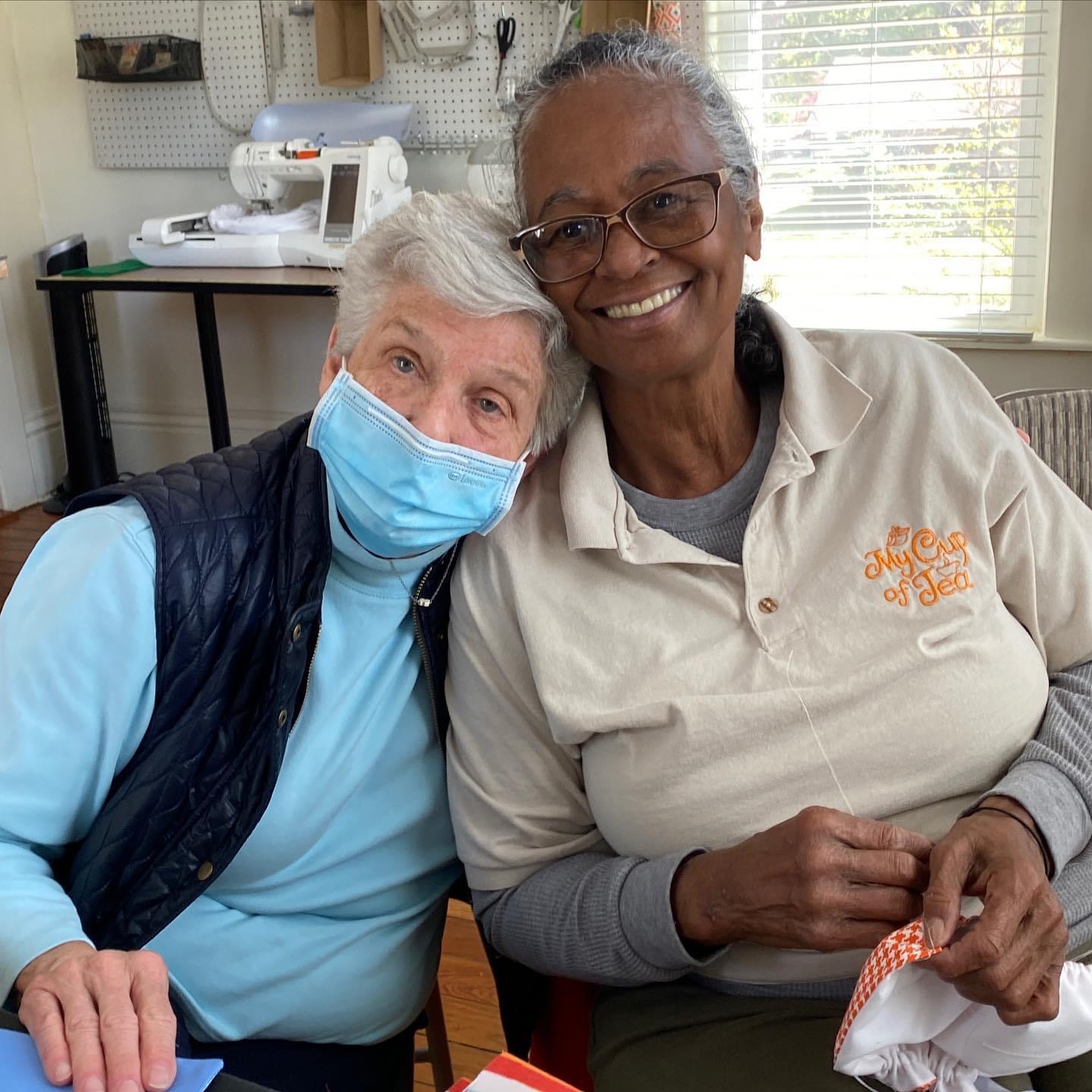
We’ve found the women struggle with retention, so we have to go slowly and give them small bites. When they don’t have gas for the car, or can’t get disability checks anymore, that’s all they can think about. The culture here is in constant crisis mode.
Perhaps the most important thing we provide is a soft place, like a pillow, in the middle of this dangerous community. We’ve built a place that is safe and faith-based. And that’s important, because I thought the women in this community were able to care for each other. But that’s not the case—the women here are often siloed. The houses are boarded up, and you don’t want to know your neighbor, because if they find out what you’ve got inside your home, they might steal it.
So we’re providing something I didn’t know they needed—a healthy social platform where they can get to know and love each other.
This is long, hard work. You could easily have stepped away many times over the last 15 years. Why do you keep doing this?
Because the Lord hasn’t told me to stop. I want to be faithful to what the Lord has called me to, no matter how much or little fruit I see.
There are moments of progress and hope. One of our ladies was able to move up from us and get a part-time job as a cook. When that place closed, she opened a catering business. Several of our ladies have found the confidence to apply for second jobs, and many have learned to budget.
All of these women’s hearts are soft and tender. Their problems aren’t so big they can’t be solved. The heartache is that they don’t have the energy to solve them, which we can sometimes help with. They’re all made in God’s image, and he’s gone to the cross on their behalf. He has a purpose for each one of them, even if it’s beyond their imagination or priority right now.
They’re all made in God’s image, and he’s gone to the cross on their behalf. He has a purpose for each one of them.
I think the onus on me is to make him so beautiful that they want him more than they want all these other things they’re trying to patch their lives with. That’s what we pray for—we want Jesus to be irresistible through our own countenances and the way we act. We know we possess the Holy Spirit. We know he is standing at the door and knocking. We are praying daily that each will invite him in.
There isn’t a way to measure how we’re doing. We may never see the fullness of it. But I know that God sent us to be change makers, and I believe we have affected the lives of the women here. But just as importantly, he has changed me.
Free Playlist by TGC: ‘The Power to Persevere’

Looking for a playlist of fresh, inspiring Christian music to encourage you in your faith? Check out TGC’s new “Power to Persevere” playlist, created to accompany the upcoming TGC27 Conference.
The 75 songs on the FREE playlist, curated by TGC arts and culture editor Brett McCracken, represent a variety of styles but are united by themes of steadfast faith, God’s sovereignty, and the hope of heaven. Start listening today! Simply click below and you’ll receive a link to the unlisted playlist on Spotify or Apple Music.