

Since its release two weeks ago, Jefferson Bethke’s “Why I Hate Religion, But Love Jesus” spoken word video has skyrocketed to more than 16 million views. The Seattle 22-year-old has been a hot topic of conversation—-positive and negative alike—-in the blogosphere and in news media such as The Washington Post, CNN, and CBS.
To say that Jefferson Bethke’s recent video went viral borders on understatement. What is it about the genre of spoken word that is so powerful and caused Bethke’s video to blow up like it did?
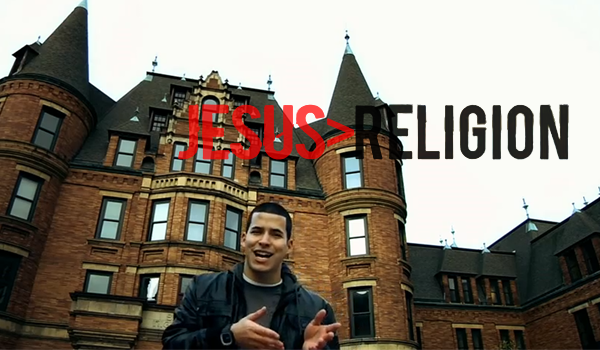 Shai: Part of the power of the genre in general and the video in particular is its ability to convey a message through the artful use of language. The video is compelling because it was shot and edited well, and the simplicity of Jeff’s delivery helped the message to come across very clearly. When spoken word is done in excellence, it has an immediacy about it that almost forces the listener to engage with the points being made by the artist.
Blair: In the past several years there has clearly been an increase in the popularity of spoken word. Television shows and Broadway plays are featuring this artistic expression, and many poetry venues are springing up in arts communities around the United States. Part of the reason I think so many are attracted to spoken word is that people are drawn in by the good storytelling as well as rhythm, rhyme, and the performance element so common in the genre.
One of the wonderful aspects about using spoken word as a tool to strategically share the gospel is that you have the ability to communicate an important message in a catchy rhythmic format, which allows for many words to be expressed in a short amount of time. Also there is what is called the “Slam” element of using powerful punchlines to grab the listener’s attention, compelling them to consider the thesis of your poem. Bethke clearly takes advantage of the use of punchlines as he causes the listener to rethink false religion. With more than 16 million views, this is a clear example of the spoken word platform being used to share Christ with the world.
Free eBook by Rebecca McLaughlin: ‘Jesus Through the Eyes of Women’
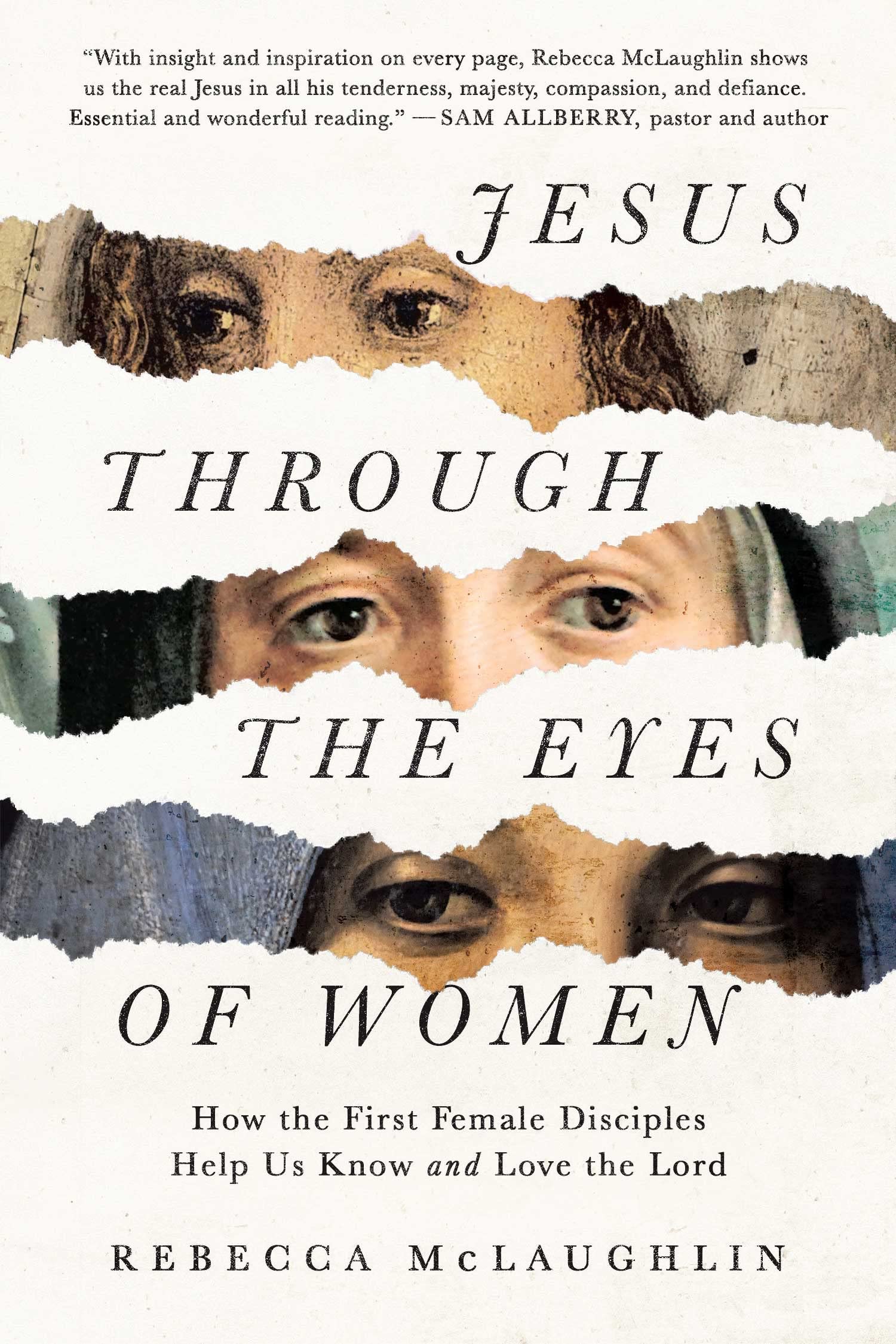 If the women who followed Jesus could tell you what he was like, what would they say?
Jesus’s treatment of women was revolutionary. That’s why they flocked to him. Wherever he went, they sought him out. Women sat at his feet and tugged at his robes. They came to him for healing, for forgiveness, and for answers. So what did women see in this first-century Jewish rabbi and what can we learn as we look through their eyes today?
In Jesus Through the Eyes of Women, Rebecca McLaughlin explores the life-changing accounts of women who met the Lord. By entering the stories of the named and unnamed women in the Gospels, this book gives readers a unique lens to see Jesus as these women did and marvel at how he loved them in return.
We’re delighted to offer this ebook to you for free.