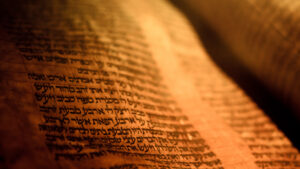
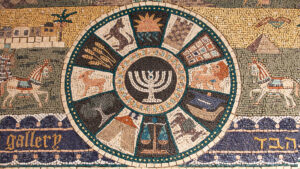
Old Testament noun: כַּפֹּרֶת (kappōret). Generally translated “atonement cover” or “mercy seat,” kappōret almost exclusively occurs in Exodus 25 and 37 (in the building of the ark of the covenant) and in Leviticus 16. The word describes the golden cover placed on the ark of the covenant; on it were two cherubim whose outstretched wings formed Yahweh’s earthly throne. Because he “lived” there, the Most Holy Place had to be filled with a cloud of incense on the Day of Atonement, lest the high priest see him and die. All forgiveness and purging of sin, of course, is possible only because of the forgiving grace and mercy of God.
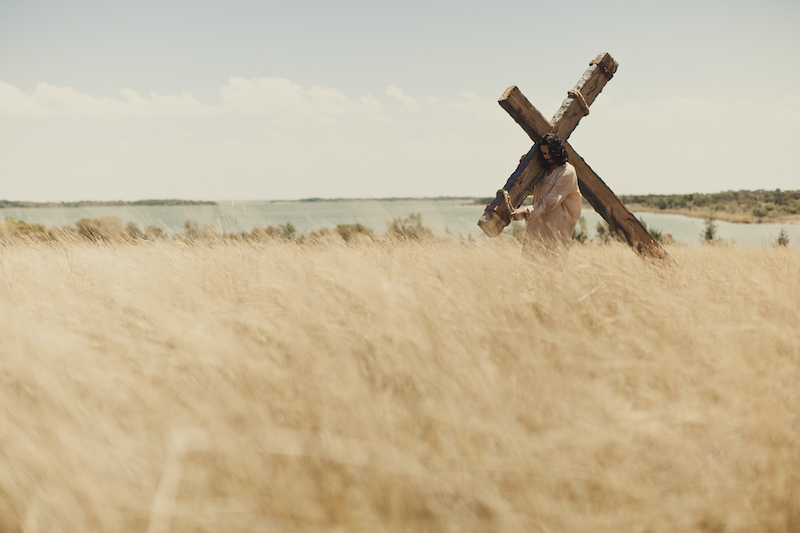
New Testament noun: ἱλασμός (hilasmos). Hilasmos refers to “an atoning sacrifice” or “propitiation.” This word occurs in 1 John 2:2 and 4:10. Jesus is himself the sacrifice that atones for sin. Our sins have destroyed our relationship with God, but Christ’s shed blood purifies us from all sin and restores us to fellowship with God (1 John 1:6–7). We should never forget that the root of our reconciliation with God is his incredible love, expressed when he sent his Son to be our atoning sacrifice.
New Testament noun: ἱλαστήριον (hilastērion). Hilastērion means “atonement cover” or “sacrifice of atonement” or “that which propitiates or expiates.” In the Septuagint, it’s used almost exclusively for the atonement cover (kappōret) placed on top of the ark of the covenant.
1. In Hebrews 9:5, hilastērion corresponds to the Old Testament use—the atonement cover on top of the ark. That’s where God dwelt in all his glory.
2. The other use of hilastērion is in Romans 3:25, where Paul writes that God has presented Jesus as a “place of atonement.” This word must relate first to its Old Testament usage, so that Jesus is the person/place where God passes over our sins without punishing them because of his sacrifice. Christ now occupies the very place the atonement cover inhabited in the Most Holy Place for the removal of sins on the Day of Atonement. He’s also the One in whom God lives in the flesh, and the One through whom God’s wrath against sin (Rom. 1:18) is placated, resulting in a renewed relationship between God and rebels.
When we put these two Greek nouns together along with the verb hilaskomai, we see that Jesus is represented in the New Testament as the priest who performs the atonement sacrifice (hilaskomai), as the One who is himself the atonement sacrifice (hilasmos), and as the place where the atonement sacrifice occurs (hilastērion).
Everything we need for God’s forgiveness, for the removal of God’s anger, and for reconciliation with God himself can be found in Jesus.
Free Playlist by TGC: ‘The Power to Persevere’
Looking for a playlist of fresh, inspiring Christian music to encourage you in your faith? Check out TGC’s new “Power to Persevere” playlist, created to accompany the upcoming TGC27 Conference.
The 75 songs on the FREE playlist, curated by TGC arts and culture editor Brett McCracken, represent a variety of styles but are united by themes of steadfast faith, God’s sovereignty, and the hope of heaven. Start listening today! Simply click below and you’ll receive a link to the unlisted playlist on Spotify or Apple Music.