


My heart was saddened the day I had to explain to my children that their aunt and uncle were getting a divorce. I struggled as I searched for words that would make sense to them. They were young and not yet acquainted with brokenness in marriage. Since then, I’ve had to whittle away at my children’s naiveté about the world as more and more hard situations require explanation.
When our children are young, they are often isolated from the painful truths of life. Their needs are provided for and their greatest struggles are in sharing their toys. But as they grow, they become more aware of the world around them. They begin to hear about violence, wars, death, disease, and brokenness.
One day, my 7-year-old overheard talk about same-sex marriage on the news. On another occasion, I had to explain abortion and euthanasia. Then there was the time I had to break the news about a dear friend waging a battle against cancer.
For many of these talks, I was unprepared. They came before I thought my children were ready. I wish we lived in a world where I didn’t have to explain death, divorce, or abortion. But post fall, this is the reality of life. And I want my children to hear the truth about life, including its heartaches and sorrows, in the context of our biblical world-and-life view.
Explaining the World’s Heartache Through God’s Story
As we’ve worked through these issues as a family, there is one story we always come back to: creation, fall, and redemption.
This is the story of the Bible. It is the story that explains what once was at the beginning, how we got to where we are, and how things will one day be. It is the story that brings hope in the darkness of this fallen world. And it is the big story into which all our individual stories fit.
- Creation: In a recent talk with our children, we began by returning to the story of creation. We explained God’s perfect design for the world, for people, for relationships, for marriages, and for families.
- Fall: We then reviewed the facts of the fall, how by the sin of one man, we are all sinful. Each and every person is a sinner; no one does what is right. Sin has also affected the natural world, bringing about disease and death. After Adam’s sin, God promised a rescuer in Genesis 3:15. He promised to one day redeem and restore what was broken by the fall.
- Redemption: Jesus is the fulfillment of that promise. He came as that Rescuer, living the life we couldn’t live and dying the death we deserve. Through faith in his finished work on our behalf, we have been set free from slavery to sin. We are now free to live for him. He is making all things new, beginning with us. As we share the gospel of grace with others, we participate in the mission of his kingdom. One day, Jesus will return for the last time and make all things right. Death and sin will be no more. The redeemed will live forever in his presence.
Teaching Our Kids to Love Like Jesus Loves
Recently, as we talked through and explained a hard situation with our children, we discussed how the redemption Jesus purchased for us affects how we treat the sin in others’ lives and how we respond to the brokenness in this world. We talked about the gospel of grace and how we are to love others in light of the love and grace Jesus gave us. We share the gospel with them and pray for them, that they too would know the grace of God through Jesus Christ.
As believers, the story of creation, fall, and redemption is the lens through which we view all of life. It’s also the lens we need to teach our children to use as well. As we help our children process life’s experiences through this lens, it models for them how they are to view the many trials they will encounter in life. Ultimately, this lens points them to their hope found in Christ alone.
I know many more situations and hard discussions will come up in my life as a parent. As much as I’d like to avoid it, I can’t. And I can’t sugar coat the realities of life. But I can give my children hope. By recounting the story of creation, fall, and redemption, I can help them understand what happened to God’s perfect world, how Jesus came to save us, and how one day, all the hard and painful stories of life will end. And then we’ll begin a new chapter, one that will never end.
All their life in this world and all their adventures in Narnia had only been the cover and the title page: now at least they were beginning Chapter One of the Great story which no one on earth has read: which goes on forever: in which every chapter is better than the one before. — C. S. Lewis in The Last Battle
Free eBook by Rebecca McLaughlin: ‘Jesus Through the Eyes of Women’
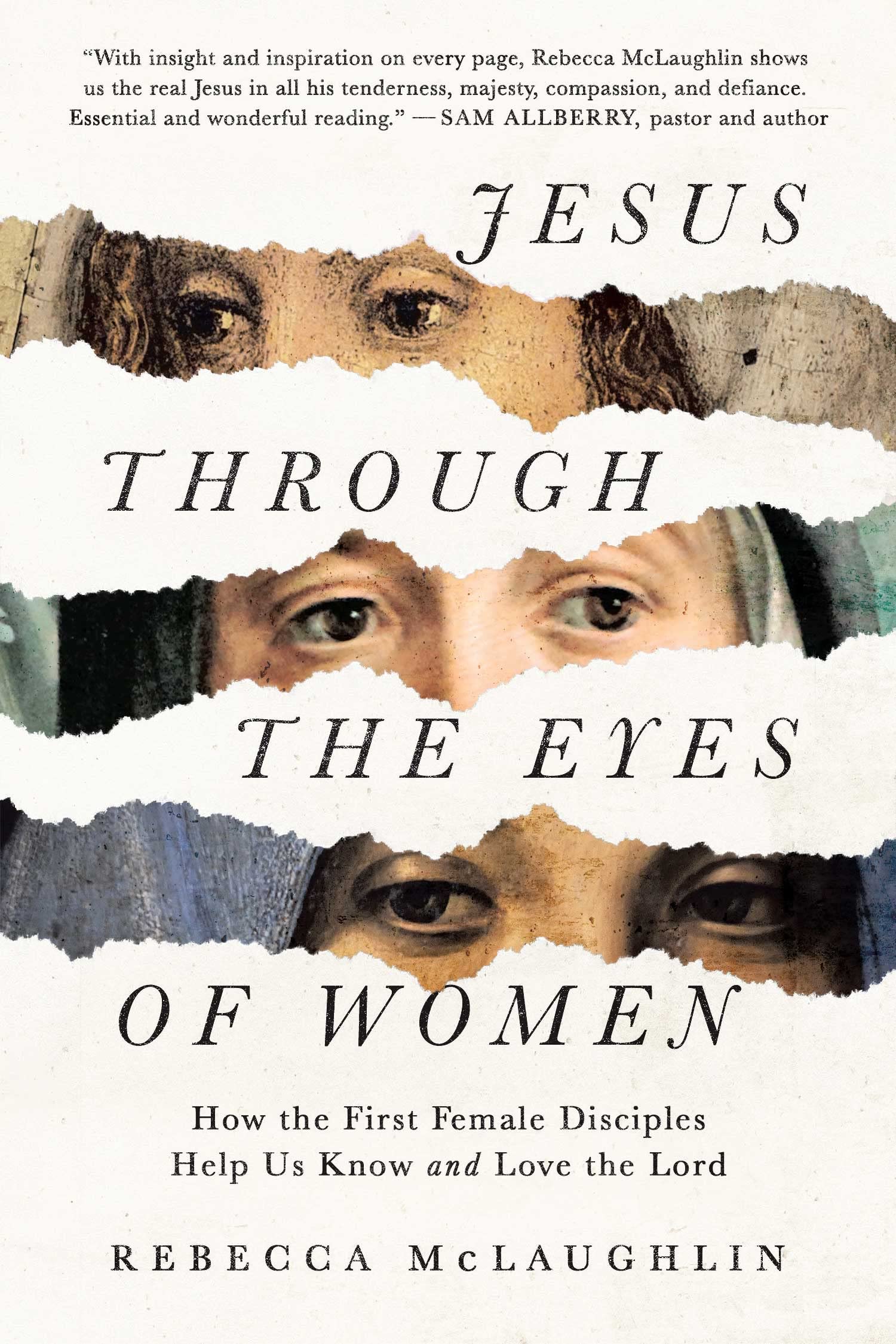 If the women who followed Jesus could tell you what he was like, what would they say?
Jesus’s treatment of women was revolutionary. That’s why they flocked to him. Wherever he went, they sought him out. Women sat at his feet and tugged at his robes. They came to him for healing, for forgiveness, and for answers. So what did women see in this first-century Jewish rabbi and what can we learn as we look through their eyes today?
In Jesus Through the Eyes of Women, Rebecca McLaughlin explores the life-changing accounts of women who met the Lord. By entering the stories of the named and unnamed women in the Gospels, this book gives readers a unique lens to see Jesus as these women did and marvel at how he loved them in return.
We’re delighted to offer this ebook to you for free.