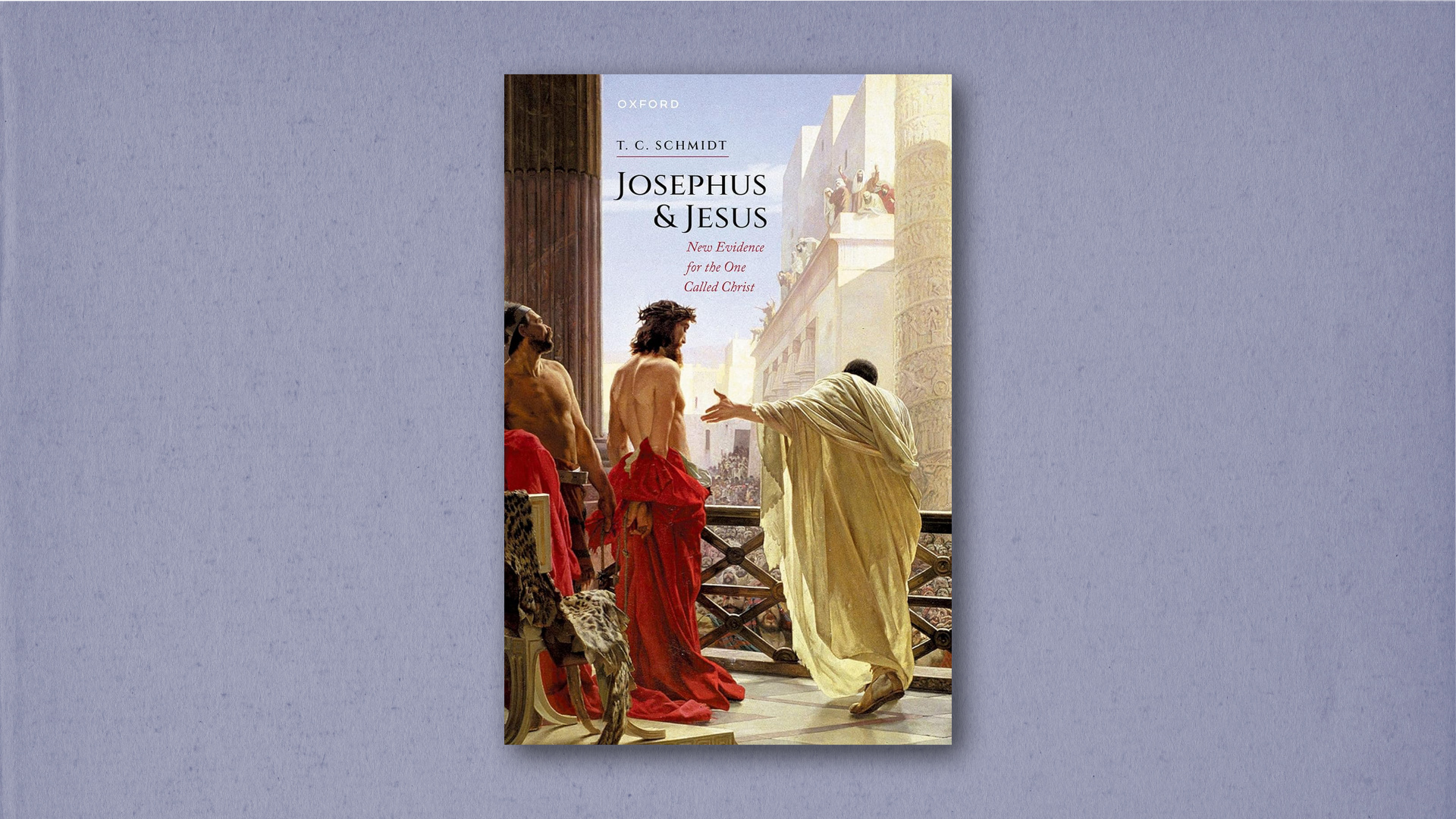
I Might Owe My Students an Apology About Josephus
‘Josephus and Jesus’ academics, pastors, public advocates for Christianity a fresh look at one of the most hotly debated passages among ancient documents.
‘Josephus and Jesus’ academics, pastors, public advocates for Christianity a fresh look at one of the most hotly debated passages among ancient documents.
By calling the son in Isaiah 9:6 ‘Everlasting Father,’ the prophet deliberately evokes ancient Near Eastern covenantal language in which greater kings are called ‘father’ over lesser kings.

Pastors: If we cannot be described as gentle, we’ve abandoned a fruit of the Spirit and a qualifying mark of a pastor.

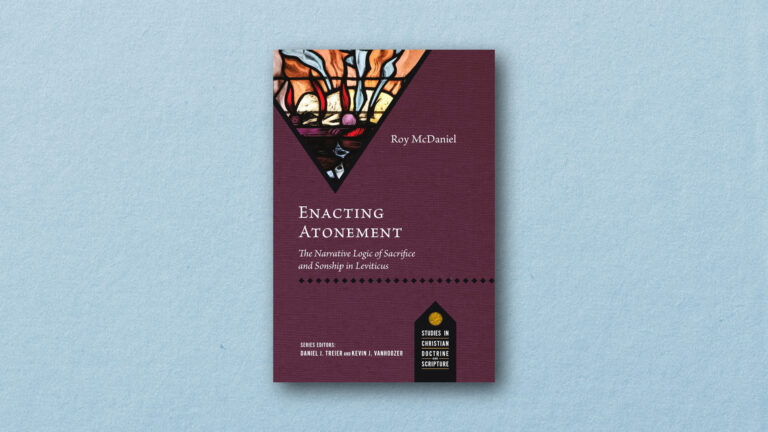
As questions about the nature of the atonement abound, ‘Enacting Atonement’ will help pastors and scholars see Christ’s glory more fully and articulate it more clearly.
In this plenary session from TGC25, Andrew Wilson argues that you can’t make sense of the book of Ephesians without understanding the necessity of Jesus’s ascension.