


At the close of every year, I share a list of the books I most enjoyed reading—usually a mix of theology, cultural analysis, biography, and fiction. Here’s hoping a few of this year’s favorites make their way onto your Christmas wish list or spark gift ideas.
Before we get to the list, though, I should mention two books that deserve a spot every year I read them.
- As is my tradition, I began the year with Augustine’s Confessions, this time in Anthony Esolen’s new translation. It didn’t disappoint. There’s a literary flair on display here that rivals Sarah Ruden’s excellent work.
- Later in the year, I reread The Brothers Karamazov through Michael Katz’s recent rendering, having been riveted by his Crime and Punishment translation (my #5 pick from 2024). Katz has become one of my favorite translators, and I’m eager to enjoy his take on Dostoevsky’s Devils in 2026.
With those two touchstones out of the way, here are the 10 books that stood out in 2025.
#1. EVERYTHING IS NEVER ENOUGH
Ecclesiastes’ Surprising Path to Resilient Happiness
by Bobby Jamieson
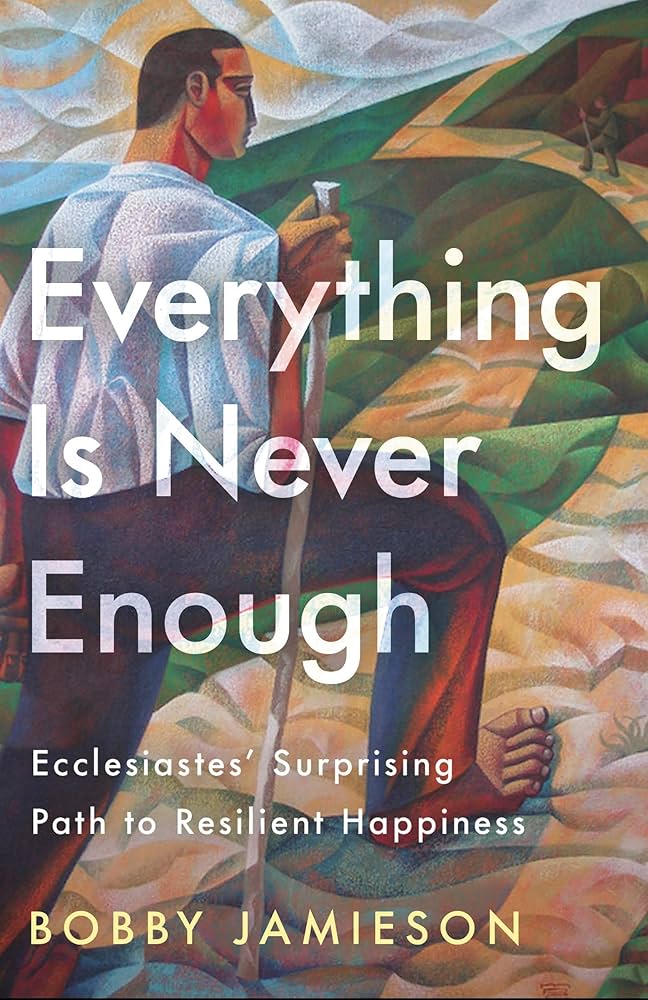
For the first time since 2019, a general nonfiction book of theology tops my list. Like its biblical counterpart Ecclesiastes, Jamieson’s book is something of an enigma, but the kind that stirs up curiosity and wonder rather than confusion. Jamieson offers us memorable pictures, well-crafted sentences, and thoughtful questions so that we see life on earth as a gift and look to our Creator for redemption and restoration. I happened to read it just before my birthday this year, and it prompted a midlife reflection. God calls you to enjoy your life, and that’s serious business. Thankfully, “the Creator is constantly flinging gifts at you faster than you can catch them,” Jamieson writes. Even when life turns out differently than we hoped, Jamieson counsels us, “Be present to the present’s presents. Present your full self fully to what the present presents you, and you will receive its full helping of enjoyment. Enjoyment depends on the ability—even the discipline—to be fully attentive to the goodness on offer.”
#2. THE WIDE WIDE SEA
The Final, Fatal Adventure of Captain James Cook
by Hampton Sides
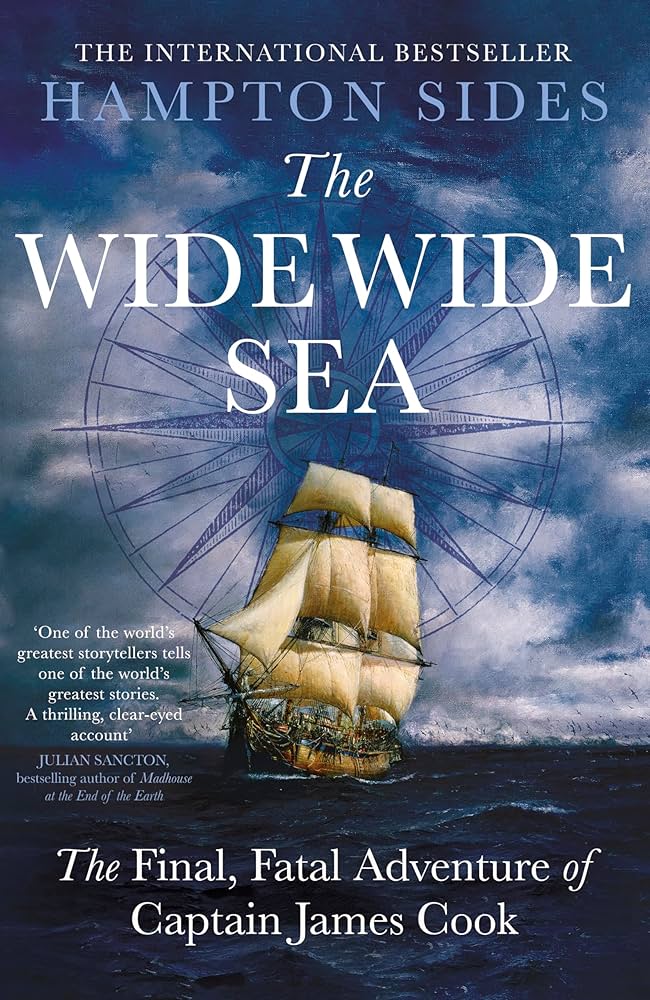
Whenever Hampton Sides sets out with sailors toward the edge of the known world, he’s bound to find his way onto my list—as he did back in 2014 when his In the Kingdom of Ice was my #2 pick. The Wide Wide Sea is so astonishing it occasionally feels unbelievable. Sides brings to life Captain Cook’s epic voyage around the world, an odyssey that led Cook into contact with native peoples whose worldviews and customs stood in striking contrast to those of their English visitors (and even the English often debated the right course of action). The collision of these cultures—marked by danger, curiosity, exploitation, desire, and honor—makes for a gripping narrative. Drawing from an abundance of journals and reports, Sides reconstructs each episode with vivid detail, helping us feel both the peril and the promise of every decision made at sea.
#3. NUCLEAR WAR
A Scenario
by Annie Jacobsen
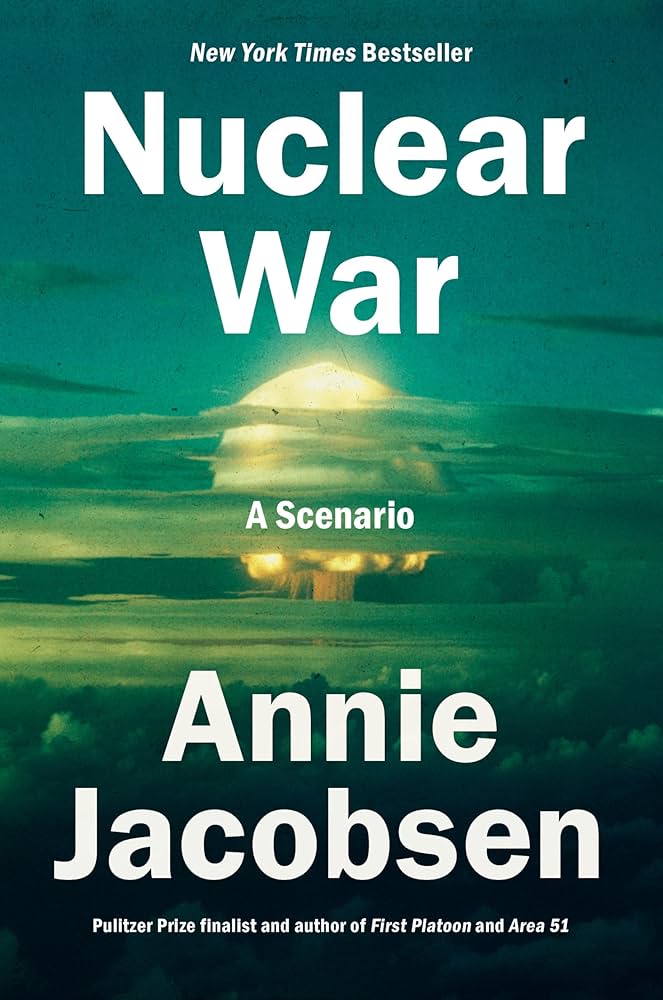
I realize it’s odd for a terrifying book about nuclear war to appear among my favorite reads. But I couldn’t put this book down. Drawing on declassified documents and interviews with high-level officials, Annie Jacobsen reconstructs with journalistic precision what would happen in the first hour of a nuclear exchange: the instant devastation, the collapse of global systems, and the frightening speed at which the world could unravel. What made this book stand out wasn’t only its realism but its effect. It left me shaken, yes, but also profoundly grateful. By facing the fragility of existence head-on, it led me to meditate on dependence and mercy and to remember that every breath, every ordinary day, is a gift upheld by God’s hand.
#4. THE REASON FOR CHURCH
Why the Body of Christ Still Matters in an Age of Anxiety, Division, and Radical Individualism
by Brad Edwards
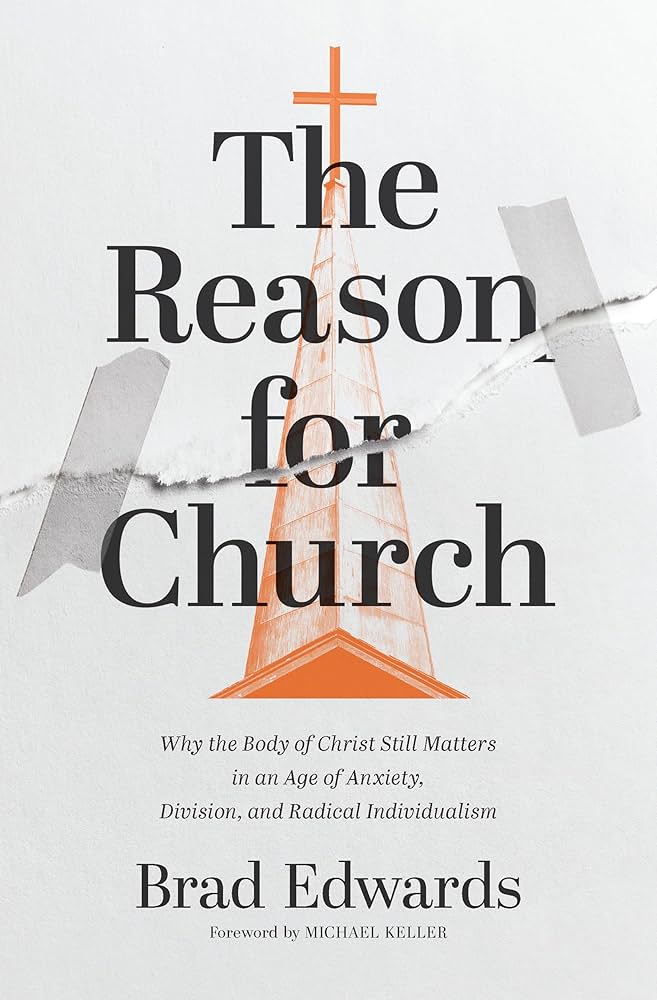
After a book that reminds us how fragile the world is, it feels fitting to turn to one that reminds us where true stability is found. The Reason for Church is one of the most important books of the year. It offers an incisive, insightful analysis of the acids eroding institutional health today, from the heart of a pastor who loves Jesus and his Bride and wants to see disciples made and formed in Jesus’s likeness. Instead of a mere diagnosis, Edwards offers a hopeful alternative: the church as God’s greenhouse for grace, where weary exiles are restored and remade into the likeness of Christ. Excellent!
#5. TIM KELLER ON THE CHRISTIAN LIFE
The Transforming Power of the Gospel
by Matt Smethurst
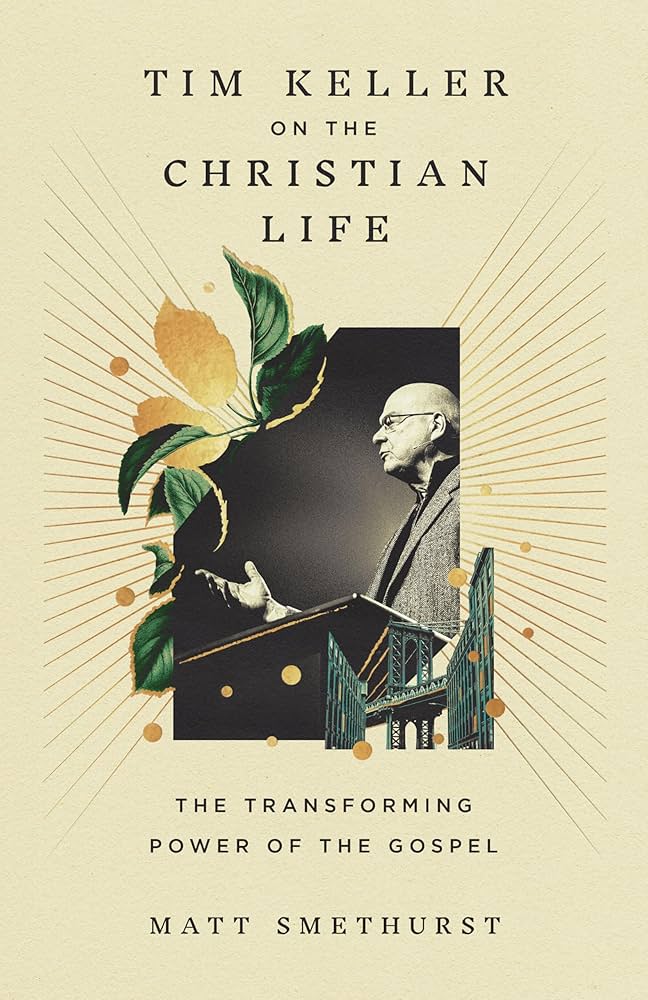
Matt Smethurst has done us all a service by digging deep into Tim Keller’s sermons (not just his published work) and summing up key points of his teaching on the gospel, prayer, suffering, friendship, and more. Drawing from decades of material, Smethurst distills the essence of Keller’s theology and pastoral heart into 10 rich chapters. The result is part biography, part theological guide: a “Keller’s Greatest Hits” that captures the grace, humility, and Christ-centered vision that shaped one of the most influential pastors of our generation. This book reinvigorated my commitment to believe the gospel Keller preached and live the way he lived—rooted in grace, radiant with hope.
#6. THE BEATITUDES THROUGH THE AGES
by Rebekah Eklund
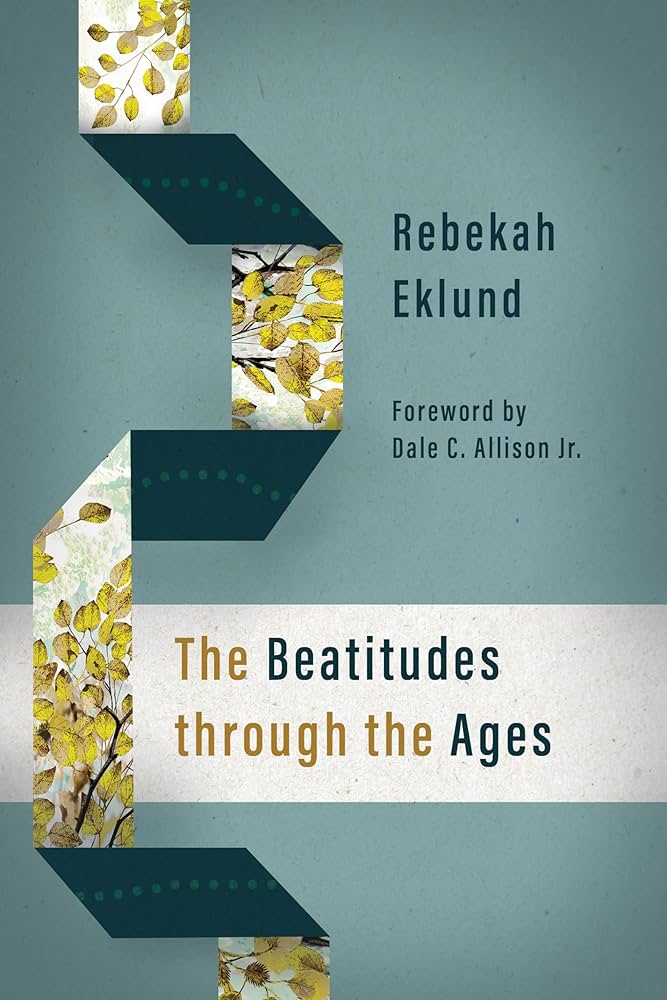
After focusing the third season finale of my podcast, Reconstructing Faith, on the Beatitudes, I picked up this remarkable book, which combines historical analysis and contemporary reflection on the sayings that open Jesus’s Sermon on the Mount. Reading it felt like listening to a centuries-long choir, each voice distinct yet harmonizing around Jesus’s words. I was moved, challenged, at times frustrated, and often inspired as I traced how believers through the ages have wrestled with and rejoiced in these radical teachings. Above all, I came away refreshed by Christ’s call to align my life with his beautiful, upside-down vision of the world.
#7. THE PASSAGE OF POWER
The Years of Lyndon Johnson: Volume 4
by Robert A. Caro
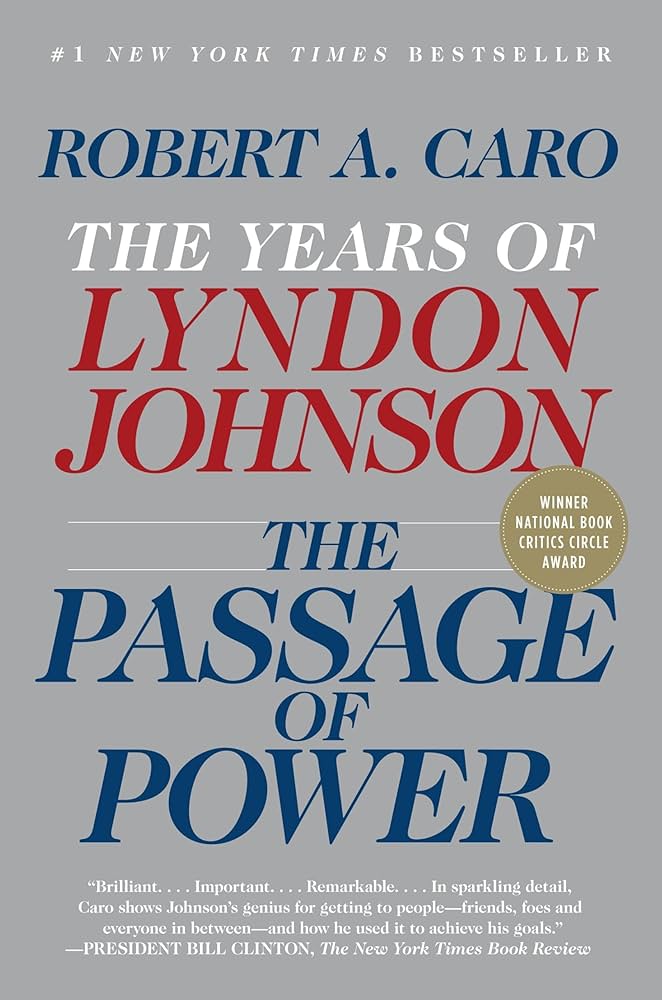
This was the year I finally tackled Robert Caro’s monumental four-volume biography of Lyndon B. Johnson (all 3,552 pages!). Each volume is a masterclass in narrative history, tracing Johnson’s relentless climb to power with vivid detail and moral complexity. But the one that stayed with me most is the most recent (though now more than a decade old), which chronicles his vice presidency and sudden ascent after John F. Kennedy’s assassination. Caro doesn’t merely write biography; he builds a world. His storytelling is unmatched, his research staggering, his prose electric. And like countless other readers, I hope that Caro, now 90, will live to complete the long-awaited fifth and final volume.
#8. MERE CHRISTIAN HERMENEUTICS
Transfiguring What It Means to Read the Bible Theologically
by Kevin J. Vanhoozer
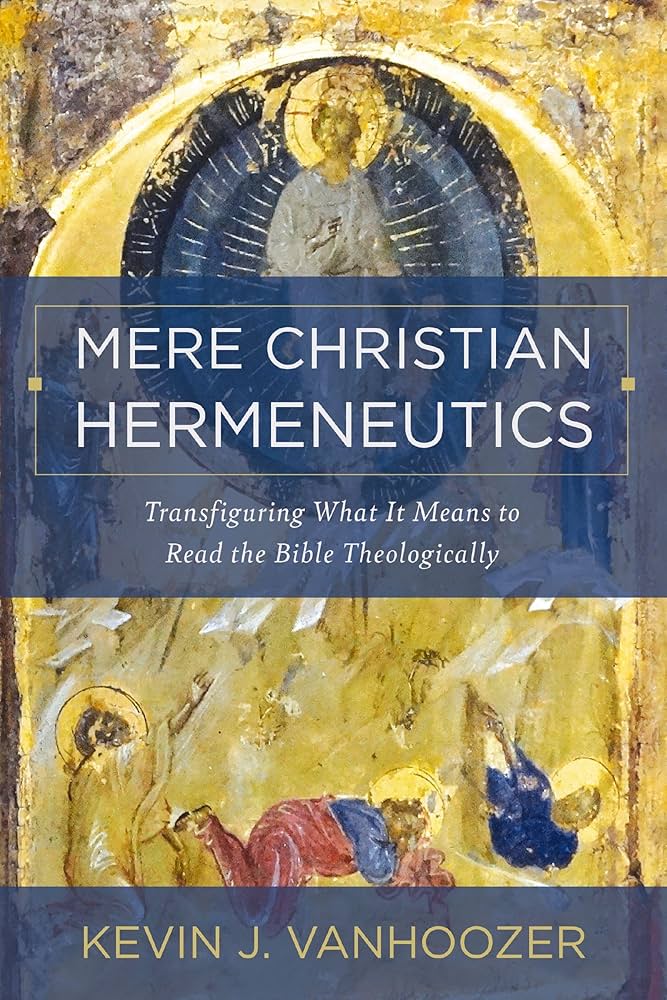
I gravitate toward theologians who do two things: make me love Jesus more and make me hungrier to dive deeper into God’s Word. Kevin Vanhoozer always does both, and his latest book is no exception. It not only sharpened my understanding of Scripture’s interpretation but also deepened my appreciation for the transfiguration and how that event’s beauty and mystery shine light on our Bible reading. This is the kind of book only a lifetime of careful, patient study can produce—the fruit of decades spent wrestling with the text, avoiding dead ends, and illuminating the paths that lead us closer to the Word made flesh.
#9. THE CONSOLATION OF PHILOSOPHY
by Boethius
&
AFTER STOICISM
Last Words of the Last Roman Philosopher
by Thomas M. Ward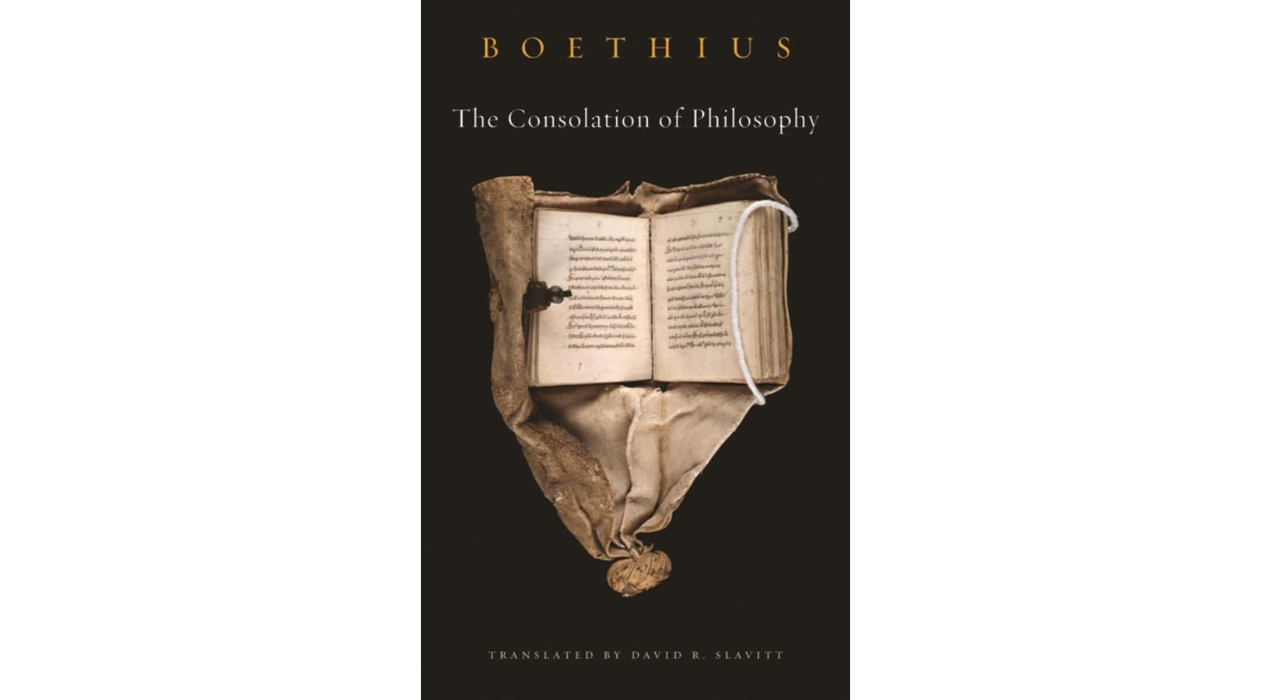
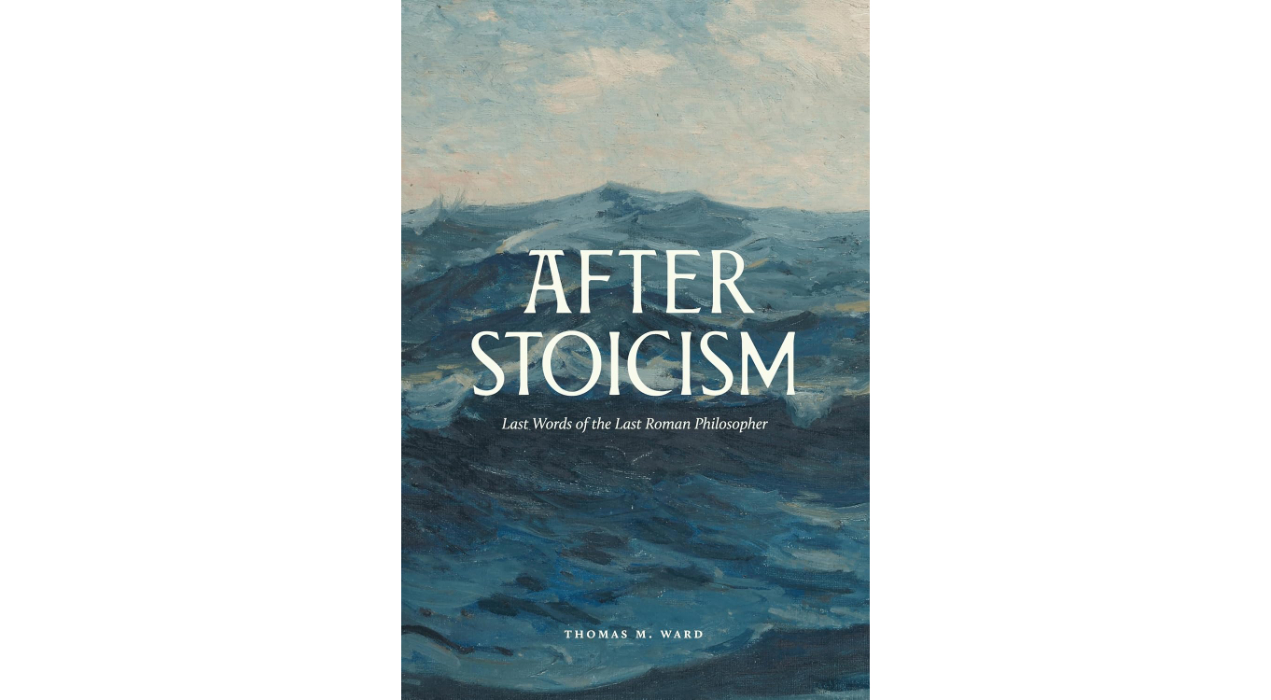 I’m not sure how I made it this far in my writing life without ever reading Boethius (AD 480–524), but I’m glad I finally did. The Consolation of Philosophy has endured for a reason—it’s one of those rare works that speaks across the centuries, blending reason and faith, philosophy and poetry, to wrestle honestly with suffering, fate, and divine providence. Reading it alongside Thomas Ward’s insightful companion volume helped me see how Boethius’s reflections still resonate in our modern search for meaning.
#10. A HEART AFLAME FOR GOD
A Reformed Approach to Spiritual Formation
by Matthew C. Bingham
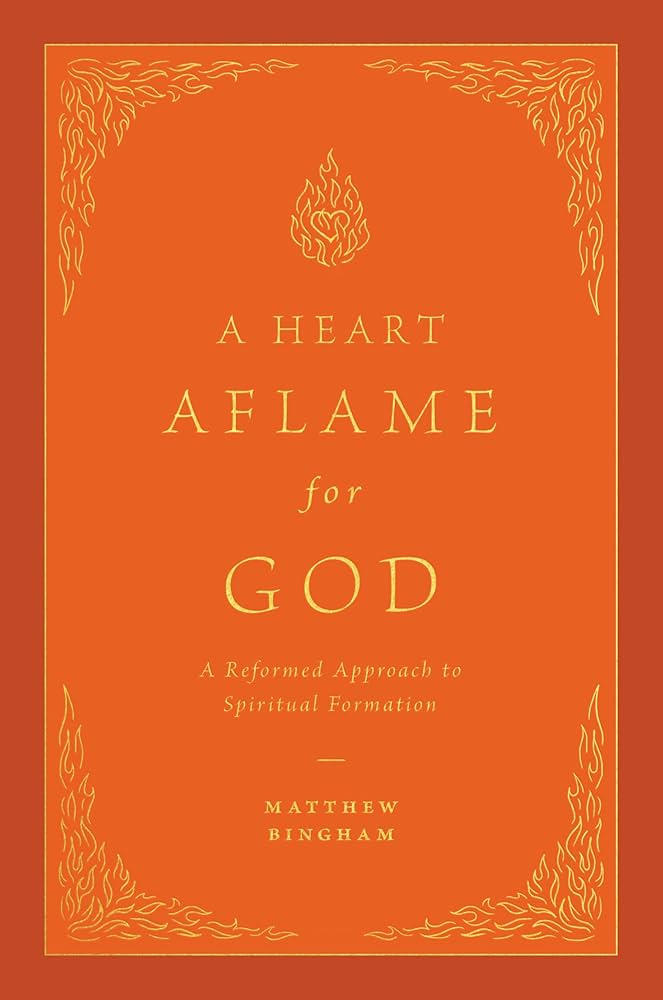
I gleaned a great deal of wisdom from this book. Too often, evangelicals feel the need to borrow spiritual practices from other traditions to make up for what seems like a weakness in our own. I’m certainly eclectic in my approach to spiritual formation, but I remain convinced that God’s Word stands at the center of all genuine growth. That’s where Matthew Bingham’s book shines. He engages other traditions with charity and curiosity, assuming the best of his dialogue partners while gently drawing us back to the riches of the Reformed heritage. (An example from my own study: spontaneous meditation.) In the vast castle of Christian tradition, Bingham reminds us not to rummage in the broom closets when there are rooms overflowing with neglected treasures.
MUST MENTION
CONNECTING SCRIPTURE NEW TESTAMENT
A Study Bible of Biblical Allusions and Quotations
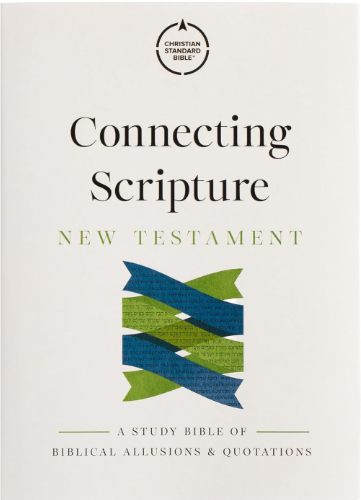
This is a fantastic resource that belongs on the shelf of every serious student of Scripture. Benjamin Gladd and G. K. Beale have produced a remarkable tool for tracing the Bible’s inner harmony. The volume highlights Old Testament quotations in blue and allusions in green, with concise commentary that unpacks the web of intertextual connections. Few resources so beautifully display the cohesiveness of God’s Word to us.
If you would like my future articles sent to your email, as well as a curated list of books, podcasts, and helpful links I find online, enter your address.