



Preaching apologetically is tough business, and we shouldn’t just read books in order to get better at it. Part of getting better at is doing apologetics, not only the pulpit, but also with our neighbors and friends. Nevertheless, reading is a critical part. So here are five reading habits to help develop your apologetics in the pulpit.
First, familiarize yourself with how the Bible answers questions by reading, for instance, Ecclesiastes and the Gospels. This is the number one resource. Along with this develop a highly sophisticated systematic theology drawn from the Bible itself. The great danger of every apologetic enterprise is either to give away too much (and so compromise core doctrine) or shout from too far away so you’re not really heard but just preaching to the choir. Take note of how the Bible does it and copy studiously.
Second, familiarize yourself with how some of the great Christian leaders have answered questions by reading, for instance, Augustine’s The City of God or Jonathan Edwards’s The End for Which God Created the World. Read Spurgeon sermons—not all apologetics has to be heavy. Read how Billy Graham or D. L. Moody did it.
Third, familiarize yourself with what those who disagree actually write and think, not what other people say they think. That means reading some unnerving stuff, like Nietzsche, or Freud, or Voltaire; as well as some heavy stuff like Kant or Hume. It also means reading and listening to contemporary debates, like the New Atheists, or your friend down the road who doesn’t believe. You need to gain a sensibility towards those who don’t believe so when you answer their questions you have walked in their shoes.
Fourth, read the standard Christian apologetic works that everyone says you should read: C. S. Lewis, of course; more recently, Tim Keller; don’t forget Josh McDowell; Ravi Zacharias; use the resource of Tyndale House in Cambridge for historical critical and textual issues.
Fifth, read things that expose the imaginative world of those who don’t believe. Read H. G. Wells, read Isaac Asimov, read His Dark Materials. It is in the “heart” that the fool says there is no God. The heart includes the rational but also the emotive. Learn to not only speak the language of ratiocination but also the language of imagination.
Download your free Christmas playlist by TGC editor Brett McCracken!
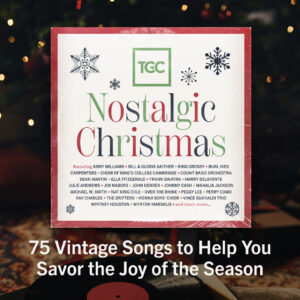 It’s that time of year, when the world falls in love—with Christmas music! If you’re ready to immerse yourself in the sounds of the season, we’ve got a brand-new playlist for you. The Gospel Coalition’s free 2025 Christmas playlist is full of joyful, festive, and nostalgic songs to help you celebrate the sweetness of this sacred season.
The 75 songs on this playlist are all recordings from at least 20 years ago—most of them from further back in the 1950s and 1960s. Each song has been thoughtfully selected by TGC Arts & Culture Editor Brett McCracken to cultivate a fun but meaningful mix of vintage Christmas vibes.
To start listening to this free resource, simply click below to receive your link to the private playlist on Spotify or Apple Music.