
To All The World
×
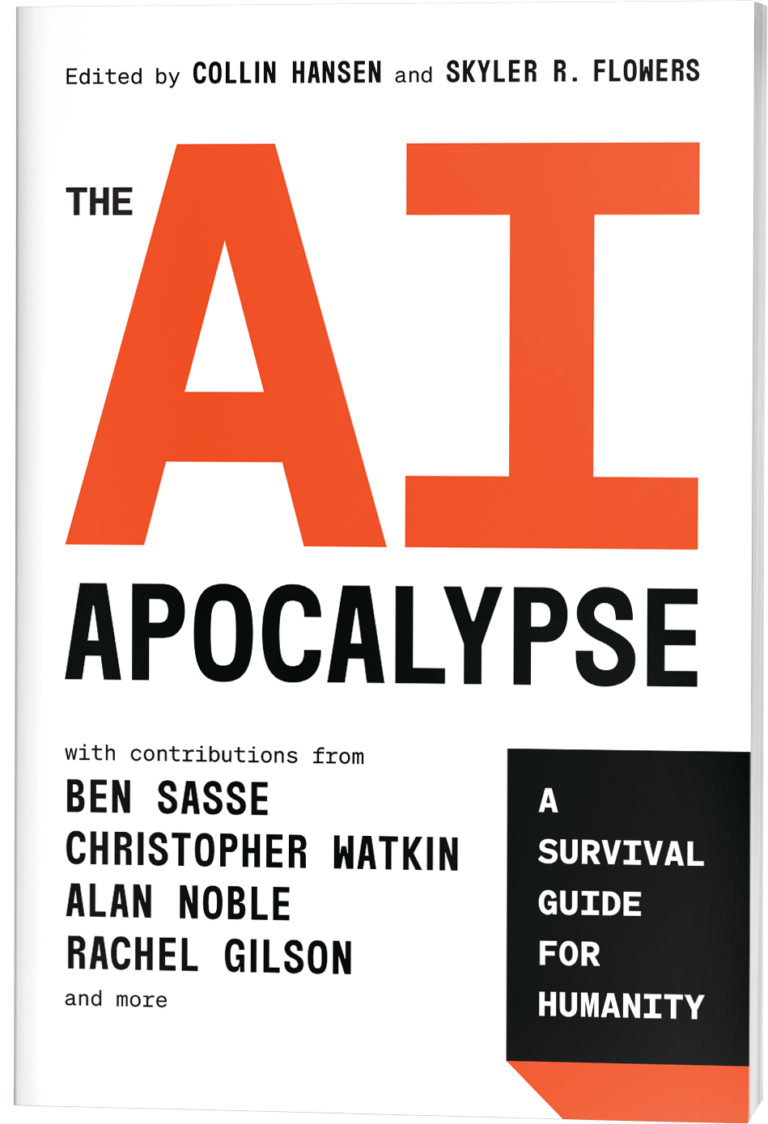
AI is remaking the world before our eyes. From work to companionship to art, AI’s expanding influence is transforming and revealing how we understand human life. And it’s only just begun. As AI development skyrockets, we advance further into the unknown. Will our way of life, jobs—even our very souls—survive the AI age?
The AI Apocalypse brings together an international and interdisciplinary group of contributors from across the fields of technology, theology, and ethics. They’ll help you navigate our new AI world with wisdom and clarity. And they’ll show you how the living message of Christ provides a more stable foundation than AI’s promises.
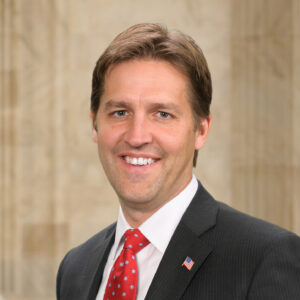
Ben Sasse was U.S. senator from Nebraska from 2015 to 2023 and president of the University of Florida from 2023 to 2024. He’s the author of books including The Vanishing American Adult: Our Coming of Age Crisis—and How to Build a Culture of Self-Reliance and Them: Why We Hate Each Other—and How to Heal.

Christopher Watkin (PhD, University of Cambridge) is an Australian Research Council Future Fellow and associate professor in European languages at Monash University in Melbourne, Australia. He’s a scholar with an international reputation in modern and contemporary European thought, atheism, and the relationship between the Bible and philosophy. His published work runs the spectrum from academic monographs on contemporary philosophy to books written for general readers, both Christian and secular, including the award-winning Biblical Critical Theory: How the Bible’s Unfolding Story Makes Sense of Modern Life and Culture. You can follow him on Twitter, his academic website, or his Christian resources website.

Rachel Gilson serves on the leadership team of theological development and culture with Cru and is the author of Born Again This Way: Coming Out, Coming to Faith, and What Comes Next. She is pursuing a PhD in public theology at Southeastern Baptist Theological Seminary and lives outside of Boston with her husband and daughter.

Alan Noble (PhD) is author of Disruptive Witness, You Are Not Your Own, and On Getting Out of Bed and is associate professor of English at Oklahoma Baptist University.
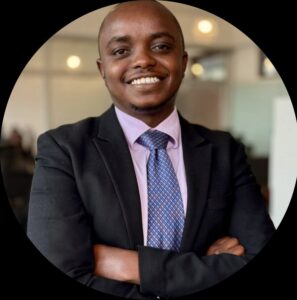
Joshua Baru (MA, Daystar University) is an AI researcher at Qhala, a Nairobi-based tech company. He earned a BA from the University of Nairobi in counseling psychology. After that, he worked or interned for the Africa Biblical Leadership Initiative, Hesabika Governance and Internship Program, National Cohesion and Integration Commission, and Search for Common Ground Africa Development Program. He lives in Nairobi, where he is a member of Emmanuel Baptist Church.
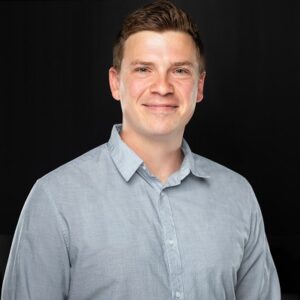
Clayton Chancey is an enterprise AI architect and the founder of Foray Consulting, a consultancy focused on AI systems and automation. He previously did missionary service in East Africa. He and his wife, Micah, live with their two sons in Redondo Beach, California, where they attend Kings Cross Church.

Skyler Reed Flowers (MDiv, Reformed Theological Seminary) is the program director for The Carson Center for Theological Renewal and cohort director for all TGC cohorts. He serves as an elder at Grace Bible Church in Oxford, Mississippi, and is working toward his PhD in systematic theology at the University of Aberdeen. He served as an editor for The Gospel After Christendom. He’s married to Brianna, and they have two kids.
Michael Graham (MDiv, Reformed Theological Seminary) is program director for The Keller Center for Cultural Apologetics. He is the executive producer and writer of As in Heaven and coauthor of The Great Dechurching. He is a member at Orlando Grace Church. He’s married to Sara, and they have two kids.

Collin Hansen serves as vice president for content and editor in chief of The Gospel Coalition, as well as executive director of The Keller Center for Cultural Apologetics. He hosts the Gospelbound podcast and has written and contributed to many books, most recently Timothy Keller: His Spiritual and Intellectual Formation and Rediscover Church: Why the Body of Christ Is Essential. He has published with the New York Times and the Washington Post and offered commentary for CNN, Fox News, NPR, BBC, ABC News, and PBS NewsHour. He edited Our Secular Age: Ten Years of Reading and Applying Charles Taylor and The New City Catechism Devotional, among other books. He is an adjunct professor at Beeson Divinity School, where he also co-chairs the advisory board.

Michael Keller (MDiv, ThM, Gordon-Conwell Seminary; PhD, Vrije Universiteit Amsterdam) is the founding and senior pastor of Redeemer Presbyterian Church–Lincoln Square and a Council member of The Gospel Coalition. He also serves as a fellow for The Keller Center for Cultural Apologetics. His PhD is in computational linguistics applied to historical theology.
Brett McCracken is a senior editor and director of communications at The Gospel Coalition. He is the coeditor of Scrolling Ourselves to Death: Reclaiming Life in a Digital Age and the author of The Wisdom Pyramid: Feeding Your Soul in a Post-Truth World, Uncomfortable: The Awkward and Essential Challenge of Christian Community and several other books. Brett and his wife, Kira, live in Santa Ana, California, with their three children. They belong to Southlands Santa Ana.
Keith Plummer (MDiv, PhD, Trinity Evangelical Divinity School) is dean of the School of Divinity and professor of theology at Cairn University in Langhorne, Pennsylvania. He previously served on the pastoral staff of Our Saviour Evangelical Free Church in Wheeling, Illinois. Keith is a fellow of The Keller Center for Cultural Apologetics. He is published in Before You Lose Your Faith: Deconstructing Doubt in the Church and The Digital Public Square: Christian Ethics in a Technological Society. He also hosts the defragmenting podcast. He and his wife have two children.
Autumn Alcott Ridenour (PhD) is the Mockler Associate Professor of Christian Ethics at Gordon-Conwell Theological Seminary and senior research fellow at the Mockler Center. She’s author of Sabbath Rest as Vocation: Aging toward Death and Restlessness and Belonging: Augustinian Wisdom for the Digital Empire. She also serves on the editorial board for the Journal of the Society of Christian Ethics.
Christians can’t afford to ignore this pressing question: Will AI help us to be fully human in accordance with God’s will, or will it be a roadblock on that path? After considerable theological reflection, the contributors to The AI Apocalypse refuse to deem this new technology entirely ruinous. Instead, they suggest establishing clear boundaries for the sake of our human flourishing and Christian sanctification. This is a needed touchstone for anyone discipling younger generations. As a professor, I’ll use this book’s framework to help me discern AI’s place in my classroom. And as a parent, I’ll use it to consider how new technology may be forming my children at home.
Christina Crenshaw, assistant professor at Arizona Christian University, fellow at ACU’s Cultural Research Center, and author of Redeeming Justice
Artificial intelligence is a pressing reality today, and Christians are wrestling with its impact. Collin Hansen and his team have put together some brilliant Christian voices who will help you to ask the right questions about this brave new world. Wherever you land from AI optimist to AI doomer, The AI Apocalypse will equip you. It’s an important new resource for the church.
Daniel Darling, director of The Land Center for Cultural Engagement and author of several books, including The Dignity Revolution, In Defense of Christian Patriotism, and Biblical Wisdom for Everyday Life.
The AI Apocalypse is a thoughtfully curated and practical resource. It's not a reckless celebration nor a fear-driven rejection of technology. Rather, it’s a distinctive invitation to ask important questions about humanity and AI in the light of God's beautiful grand narrative. Agree or disagree with the contributors, this book will help you ponder what’s most essential about being human in God’s good world.
Jay Y. Kim, pastor and author of The Pace of Peace
“Get wisdom, and whatever you do, get insight.” Never before has the Solomonic summons been so urgent as in the age of AI. The authors of this volume have rendered a timely service for the church. They offer no easy answers—we get plenty of those from the bots—but rather the hard questions that summon us to stay true to our creaturely vocation.
Brad Littlejohn, president emeritus, The Davenant Institute
As artificial intelligence gushes into every corner of our lives like an unstoppable flash flood, this book serves as a life boat for Christians—helping us keep our heads above water and encouraging us to invite others to do the same.
Chris Martin, author of Terms of Service: The Real Cost of Social Media and The Wolf in Their Pockets: 13 Ways the Social Internet Threatens the People You Lead
As you consider what’s at stake with AI today, this thoughtful collection of essays will push and challenge you. As the authors make clear, the AI apocalypse isn’t the end of the world as we know it. Rather, it’s a great unveiling of our deepest longings. Debates over ultimate reality, truth, and human identity aren’t tangential to AI, so Christians must be ready to engage. This volume is a helpful tool in that endeavor.
Jason Thacker, assistant professor of philosophy and ethics at Southern Seminary and Boyce College; senior fellow at The Ethics and Religious Liberty Commission; author of Following Jesus in a Digital Age and The Age of AI
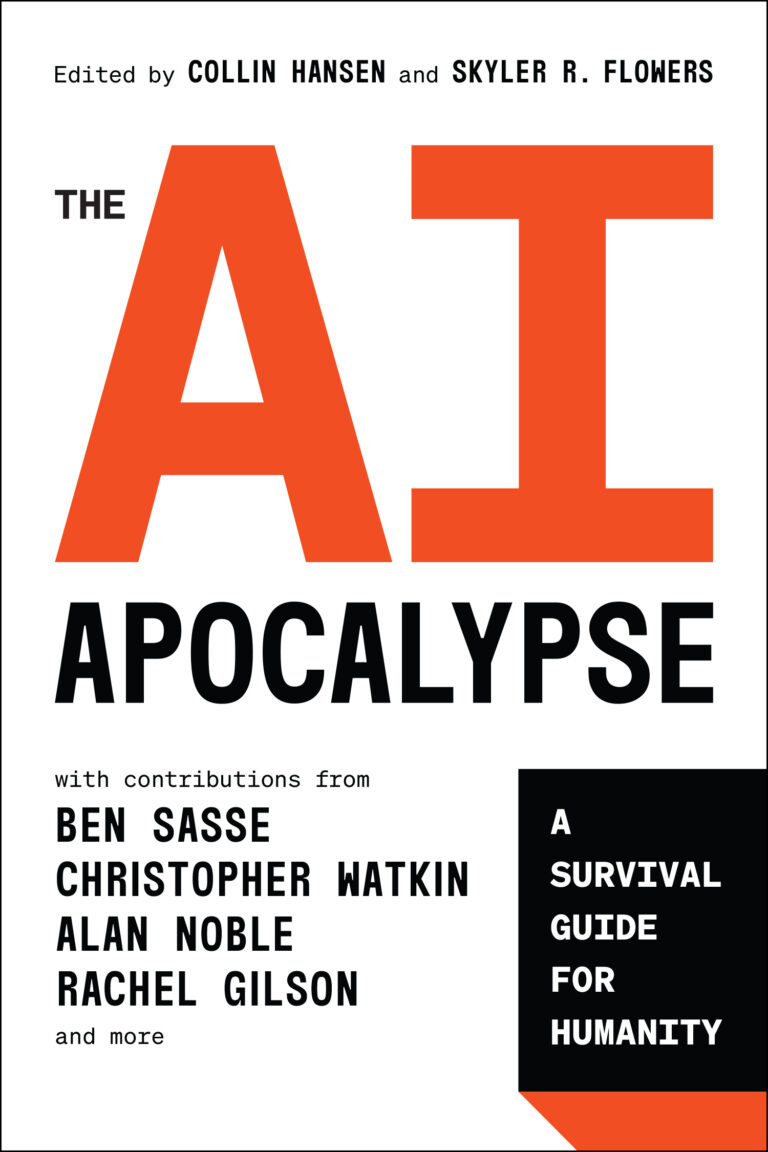
The The AI Apocalypse book:

The Keller Center for Cultural Apologetics helps Christians share the truth, goodness, and beauty of the gospel as the only hope that fulfills our deepest longings.