



Maybe it was the whale meat I was eating. Or the earlier round of herring shark. But as I asked questions of my new friends on the Faroe Islands, my view of secularism began to fill up and fill in. They gave me two new clues in my efforts to understand and ultimately reverse the conditions of Western secularism.
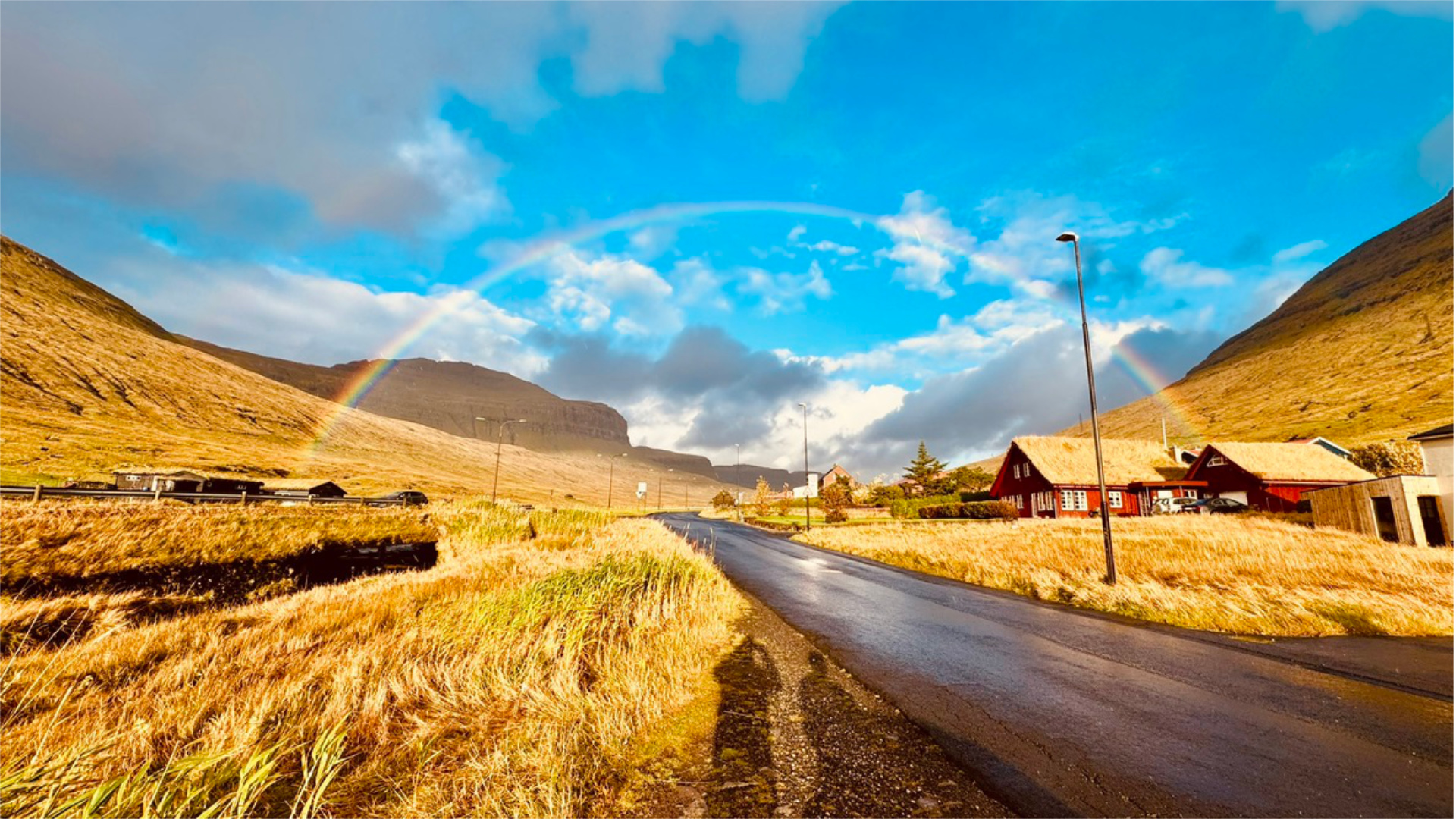
When you visit the Faroe Islands, you can’t take your eyes off the scenery—especially on rare days when the sun shines.
As I wrote about after my visit to Copenhagen last year, we can see the conditions that have delivered storm clouds of secularism across much of northern Europe. The combination of Protestantism and established churches has dismantled Christian belief and especially practice in the region.
In this land, the light of gospel radiates more brightly than anywhere else in the Nordic region
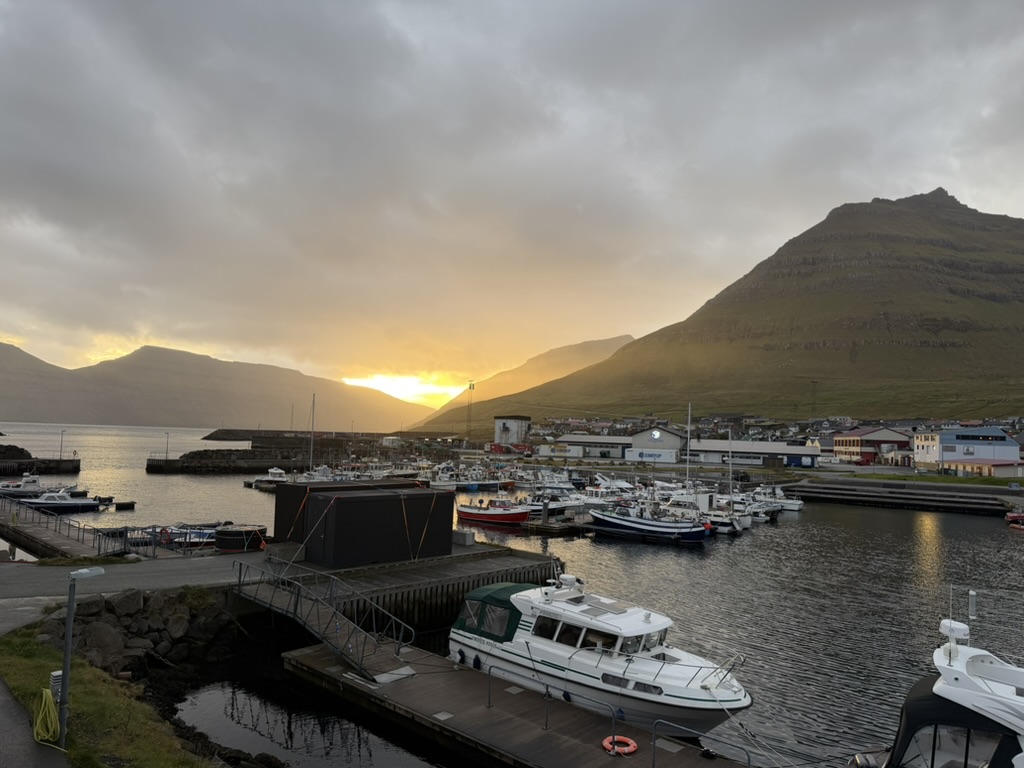
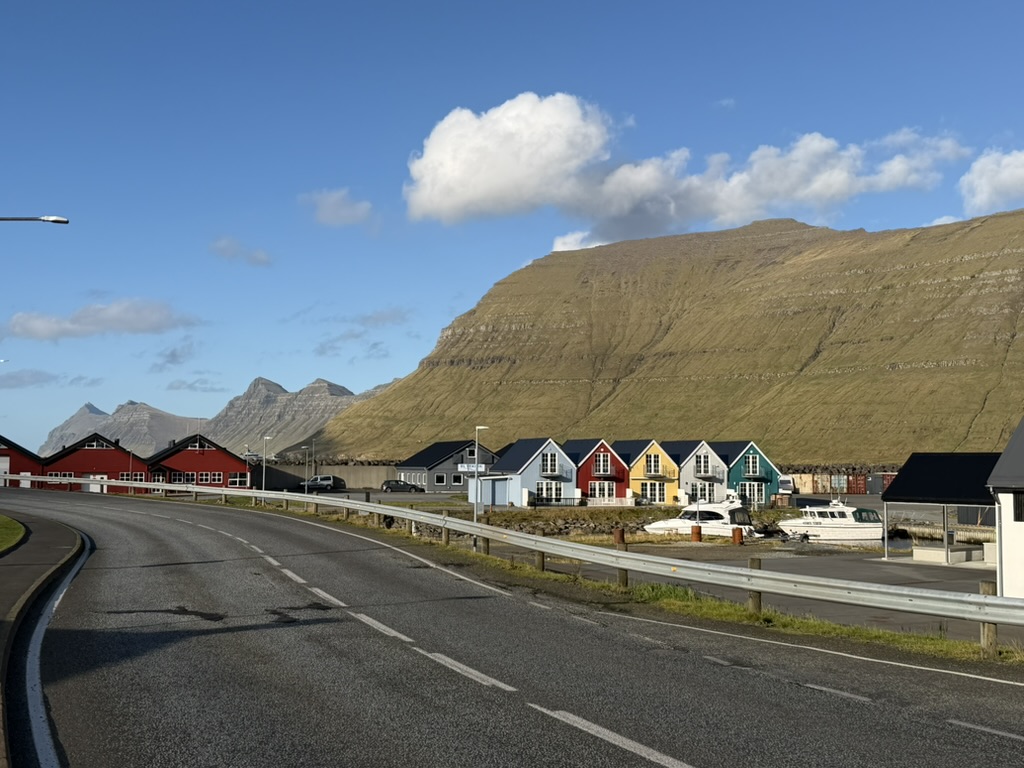
The exception can be found on the Faroe Islands, whose windswept fjords feel like the end of world, amid the vast Atlantic Ocean between Iceland and Norway, north of the Shetland and Hebrides isles. In this land where the sun almost never shines (no city in the whole world is gloomier than the Faroese capital, Tórshavn) the light of gospel radiates more brightly than anywhere else in the Nordic region.
Persevering Faith
Why? I asked my gracious hosts as they fed me from the bounty of the sea, as they drove me through horizontal rains around mountain turns, as they honored their ancestors with the story of their persevering faith.
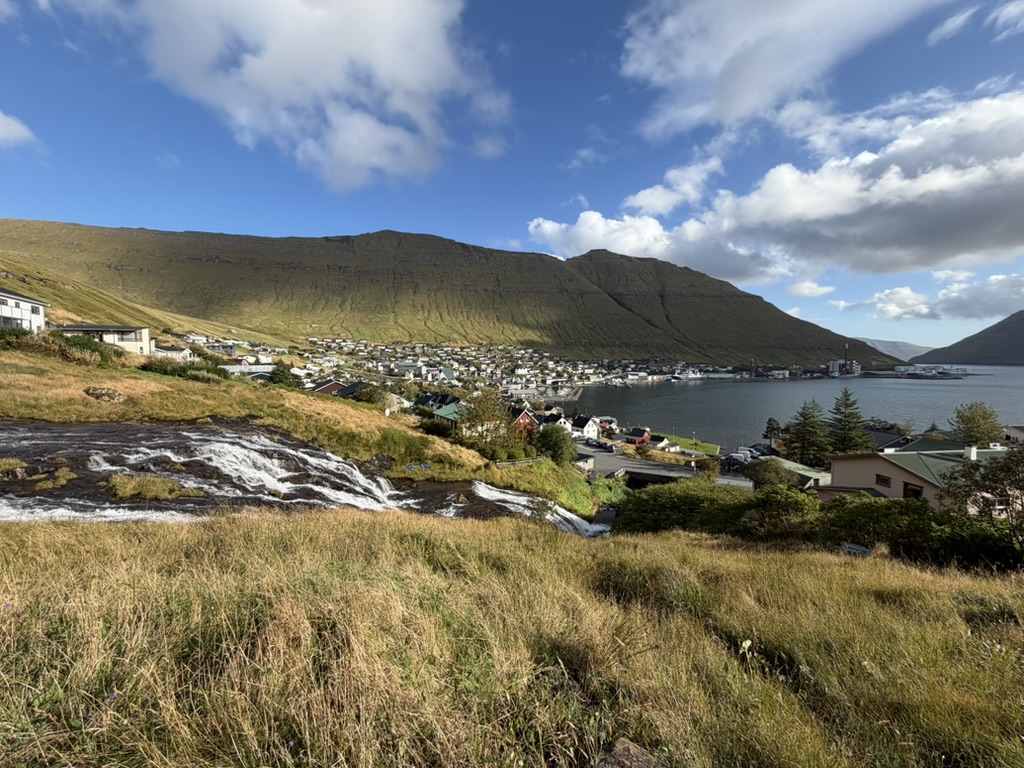
The first clue came in our visit to Fuglafjørður, situated in the northeast on the island of Eysturoy. From our host we learned about his great-grandfather, the 20th-century Brethren missionary and Bible translator Victor Danielsen.
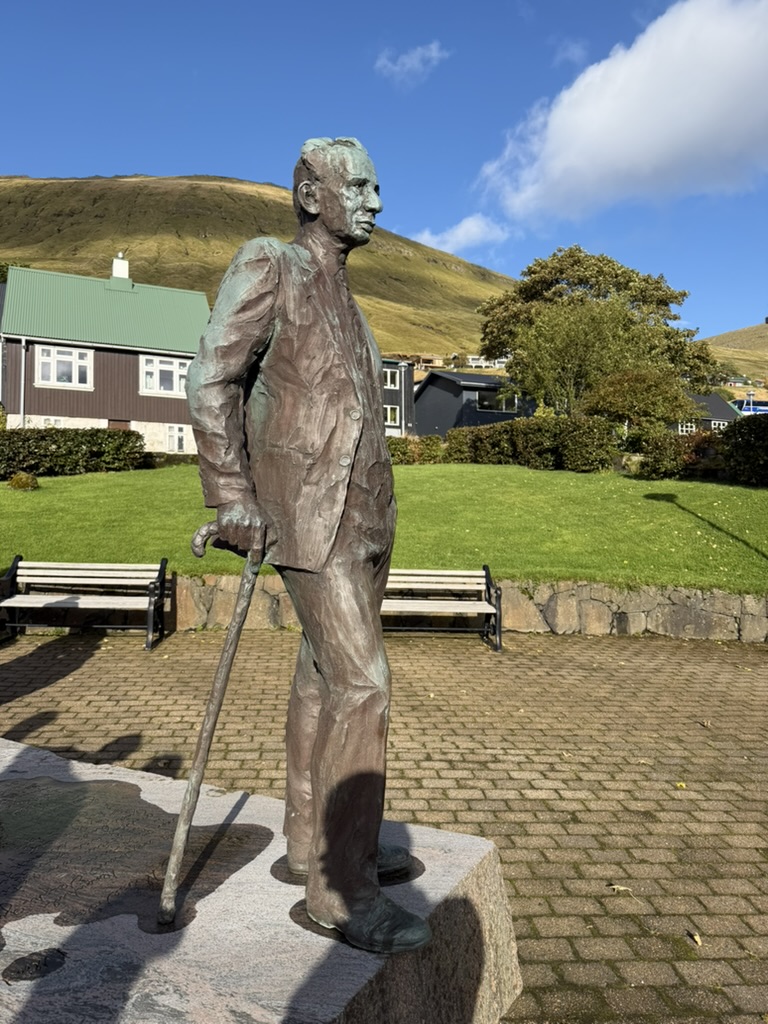
The statue outside his former church commemorates Danielsen’s most notable accomplishment, the first Bible translated for the common people in Faroese instead of the colonial Danish. Today, the Brethren compose at least 10 percent of the islands’ population of some 55,000, including the 29-year-old prime minister, who was on my flight to Copenhagen. He planned to meet with the Danish king.
The Faroese treasure their independence within the Danish Commonwealth. Not until 1938 did the Faroe Islands secure Danish permission to use Faroese in their churches and schools. It’s no coincidence that Danielsen’s New Testament translation published one year earlier, in 1937.
Early Brethren missionaries from the United Kingdom saw no spiritual fruit from their labors for two decades. But with Danielsen’s ministry, the Brethren became champions of the ordinary Faroese, who trace ethnic roots to the British Isles, shared colonial identity to Greenland, and remote island affinity to Iceland.
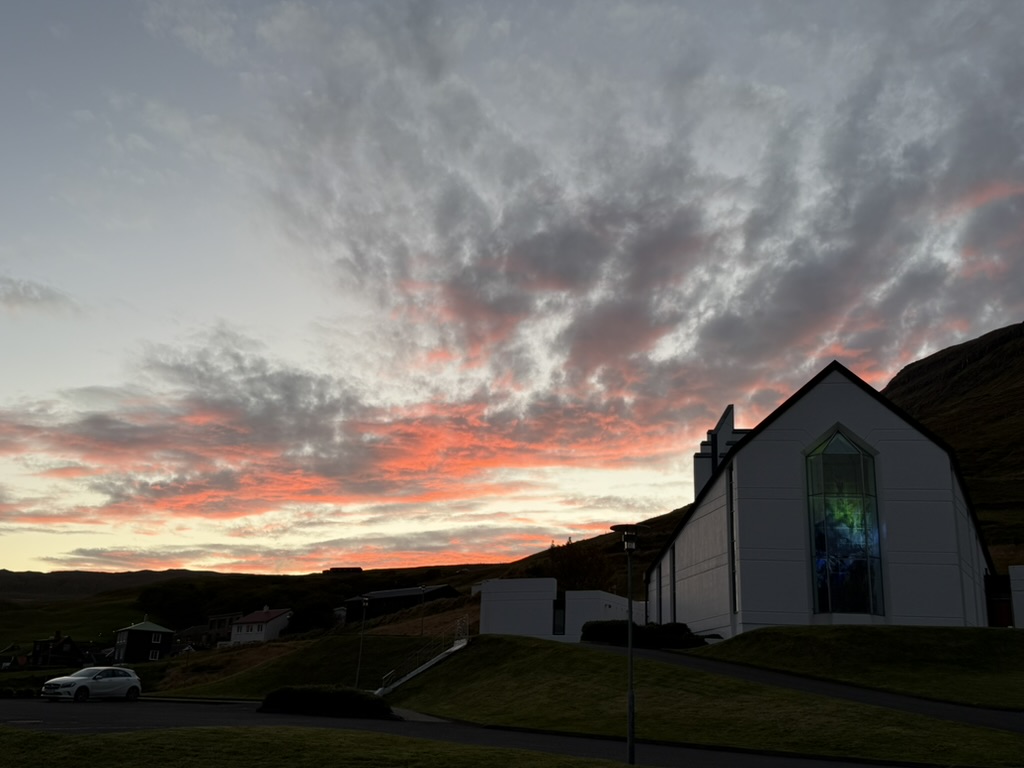
I’ve observed in studies of secularism in the modern West that thriving Christian movements require medium tension with their host cultures. But opposition isn’t sufficient. The Brethren wouldn’t have gained a missionary foothold only by criticizing Lutheran state religion. Resisting secularism requires channeling the aspirations of the people too.
The Brethren set themselves apart with a high view of biblical authority and countercultural holiness, traits that still characterize their followers even as they’ve ascended into the islands’ globally engaged business elite. But they also came to embody native Faroese values and aspirations as a free and independent people, proud of their ancient island culture. In this they resemble the history of Presbyterian missions in Korea as well as the Persian culture that at least last decade held out against Islamic hegemony in Iran.
Is Secularism a Fad?
After preaching Esther 4 in view of the lovely fjord village of Norðragøta, I spoke with Brethren who have earned PhDs in the United Kingdom, opposed abortion and gay marriage in the Faroese Parliament, and traveled the world to represent local business interests (at least 90 percent of the islands’ exports relate to the fishing industry).
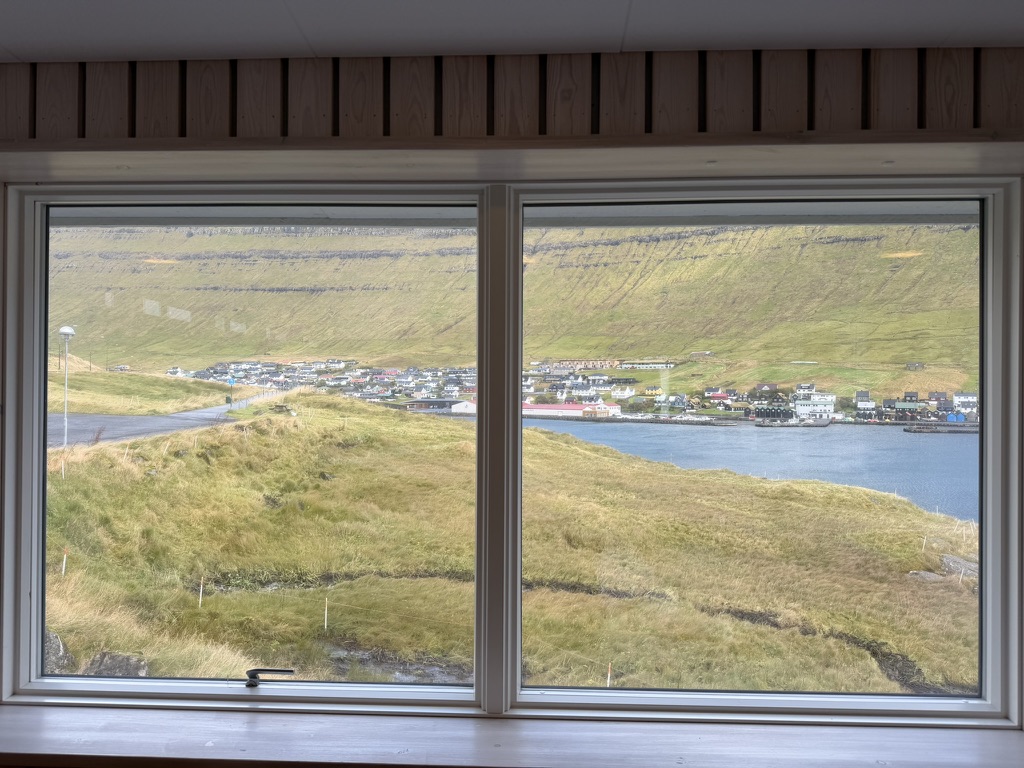
For such a remote setting, the high standard of living surprised me. The Faroes’ GDP per capita exceeds Denmark, even if it falls short of the world-leading Norwegians and their vast oil reserves. Many of the homes appeared new, compared to what I’ve seen in other Nordic countries. Over that succulent meal of whale and shark, I learned that the prosperity dates back only about 30 years, and especially in the last 15, due to the success of salmon farming and rising fish prices, following a collapse of the Faroe economy in the 1990s.
Once again, Faroese Christianity bucks the trend, providing the second clue. Economic development is supposed to deliver secularism. That’s the story Denmark and other Nordic countries tell of their “modern breakthrough,” the transition from the backward, rural 19th century to the progressive, urbane 20th.
But what if secularism is less of an economic inevitability and more of a philosophical fad taking root in the developed West roughly between the 1860s and 1960s? And what if lack of economic development during that century shielded some cultures from the full effects of secularism? Even when those cultures catch up, they don’t necessarily descend the whole ladder to secularism.
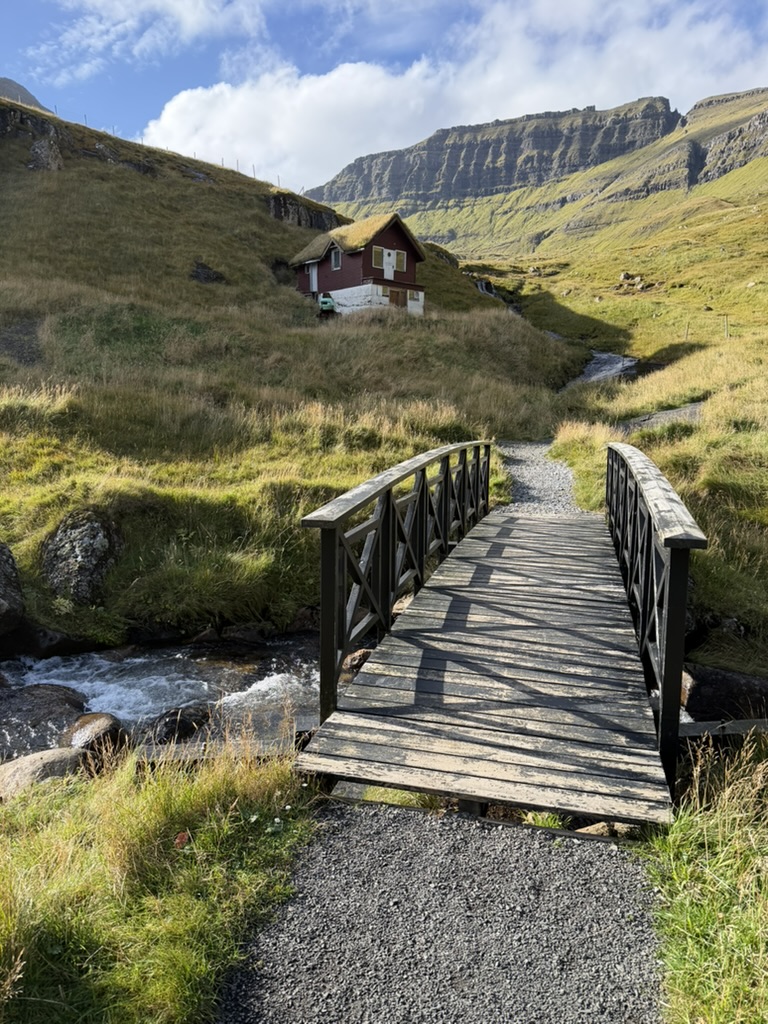
In this regard, the Faroe Islands could be similar to regions of the United States, especially the Southeast, that developed later and thus far retain much higher rates of Christian belief and observance compared to regions that prospered during that earlier period. And like the Southeast, the Faroe Islands have become a missionary engine, launching gospel workers throughout Europe and even around the world.
Skip Secularism
Have my new friends in the Faroe Islands helped cracked the code to Christian endurance amid secularism? I wouldn’t put anything past these resilient people tucked inside treeless mountains on the shores of the mighty Atlantic.
What if secularism is less of an economic inevitability and more of a philosophical fad?
Perhaps the period of acute secularism could be skipped, and we’re not waiting for another shoe to drop as the Faroe Islands prosper. Perhaps the Brethren have charted a course for us from the edge of the world. Moderate cultural opposition is necessary but not sufficient. The gospel’s indigenizing principle must also capture the aspirations of people made in the image of God as they enjoy his common grace.
Big breakthroughs can start in small places. Of all people, Christians know that story.
Join The Keller Center mailing list
The Keller Center for Cultural Apologetics helps Christians share the truth, goodness, and beauty of the gospel as the only hope that fulfills our deepest longings. We want to train Christians—everyone from pastors to parents to professors—to boldly share the good news of Jesus Christ in a way that clearly communicates to this secular age.
Click the button below to sign up for updates and announcements from The Keller Center.
Join the mailing list »