



This is a cross-post from Tim Keller’s blog at Redeemer City to City.
It’s remarkable to read David, the Warrior-King of Israel, writing these words from Psalm 131.
My heart is not proud, O LORD, my eyes are not haughty; I do not concern myself with great matters or things too wonderful for me. But I have stilled and quieted my soul; like a weaned child with its mother, like a weaned child is my soul within me.
The metaphor for spiritual maturity here is a “weaned child.” On the one hand, we are a child at the mother’s breast, an image of complete helplessness. We are completely dependent on God. Without him, we can do nothing. On the other hand, we are a weaned child, an image of contentment. Unweaned children cry in mother’s arms until they get something from mother—her milk. Only then are they quiet. But a weaned child is satisfied just with mother herself, with her very presence.
Here we see depicted, vividly and compactly, what Job was taught through all his trials. We must love God for himself alone, not just for what he gives us. This is the essence of what, for Jonathan Edwards, distinguished “true grace” from “the experience of devils,” who hold sound doctrine and tremble before God (James 2:19.) Real grace on the heart leads us to see the “beauty and comeliness of divine things, as they are in themselves” (from the sermon by the same name in volume 25 of the Yale edition of Edwards’ works). We become satisfied with God himself. Even his transcendent holiness is enjoyed as a beautiful and magnificent thing, which fills the heart to contemplate, though we certainly get nothing out of it!
If grace has really changed our hearts, we don’t ultimately care if life goes the way we want it, as long as we have him. The joys of acclaim, wealth, and power are nothing compared to the eternal acclaim, wealth, and power we have in him. A “weaned child” is not just someone who knows this in principle, but who has worked gospel truths into his or her soul as spiritually sensed realities. Internally, this quiets the soul into profound contentment and poise. Externally, it means humility, a willingness to learn from others and also to trust God. The believer realizes that the reason God’s actions are often opaque is not because we are wise and he is foolish, but because he is too “great” and “wonderful” for us.
A Christian should never have the attitude toward God, “what have you done for me lately?” Spurgeon said about Psalm 131 that it was “one of the shortest psalms to read, but one of the longest to learn.”
Free eBook by Rebecca McLaughlin: ‘Jesus Through the Eyes of Women’
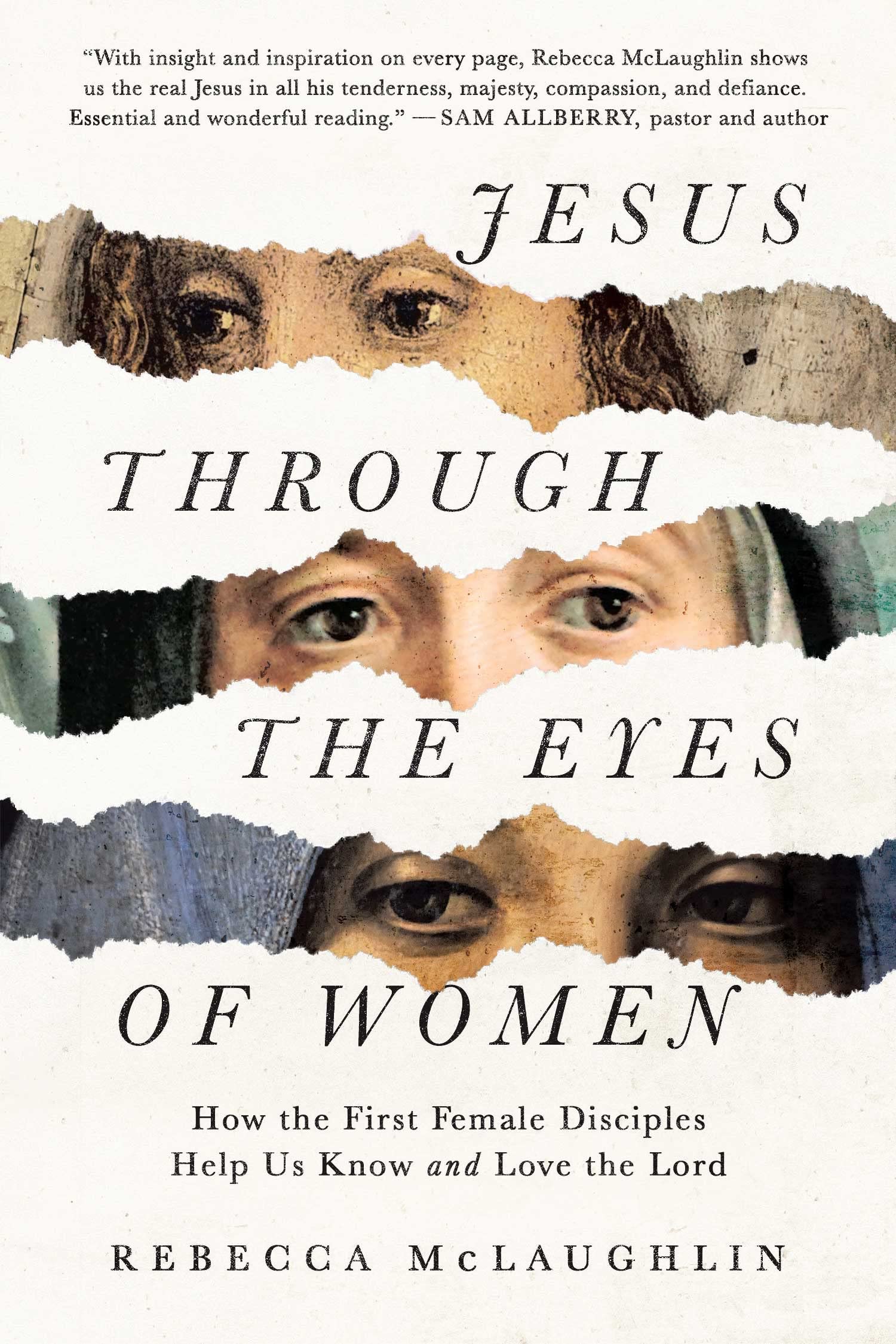 If the women who followed Jesus could tell you what he was like, what would they say?
Jesus’s treatment of women was revolutionary. That’s why they flocked to him. Wherever he went, they sought him out. Women sat at his feet and tugged at his robes. They came to him for healing, for forgiveness, and for answers. So what did women see in this first-century Jewish rabbi and what can we learn as we look through their eyes today?
In Jesus Through the Eyes of Women, Rebecca McLaughlin explores the life-changing accounts of women who met the Lord. By entering the stories of the named and unnamed women in the Gospels, this book gives readers a unique lens to see Jesus as these women did and marvel at how he loved them in return.
We’re delighted to offer this ebook to you for free.